
5 Essential Components of Modern Logistics
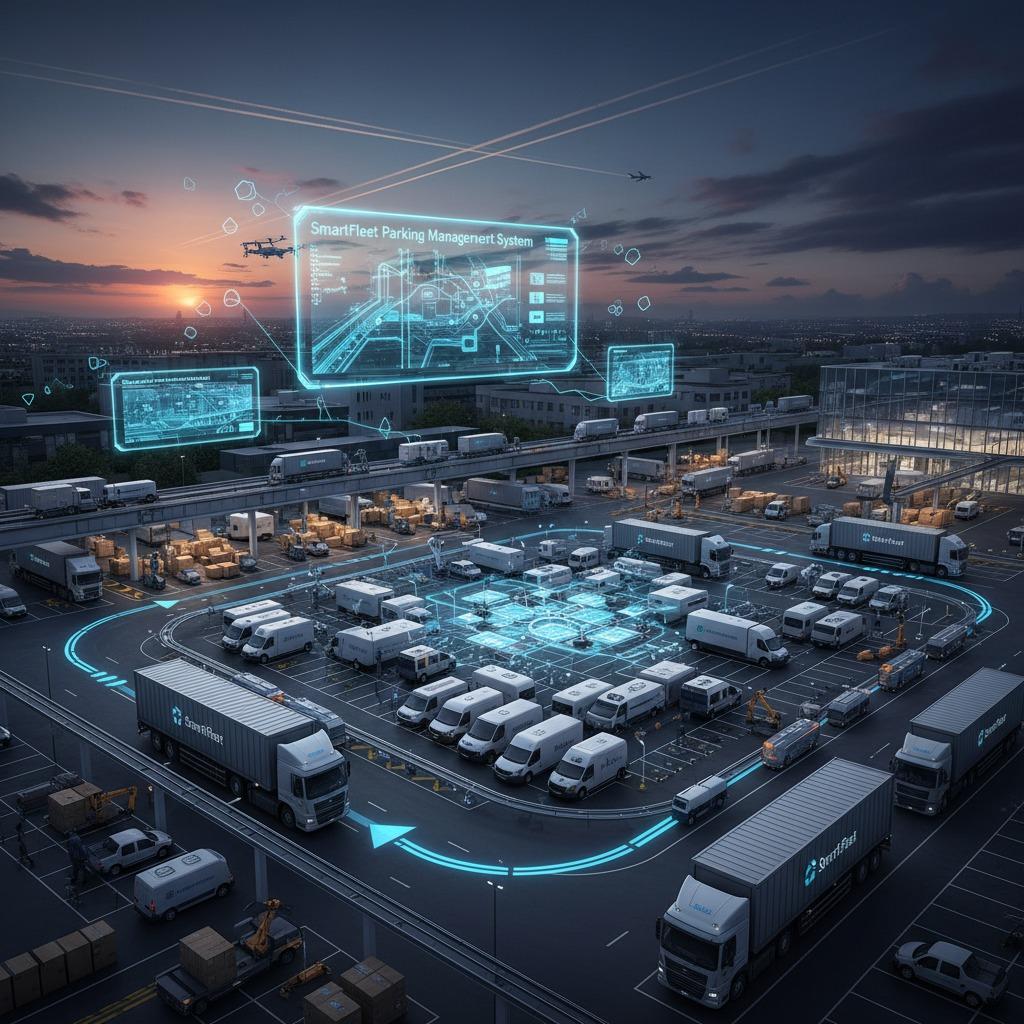
Logistics forms the backbone of global supply chains, ensuring that goods move efficiently from origin to destination. In today's fast-paced world, mastering logistics is crucial for businesses aiming to stay competitive. This article explores five key components that define effective logistics, drawing from innovative solutions like the SmartFleet Parking Management System, COSCO SHIPPING vessels, and FedEx Express freighters. These examples highlight how advanced technology transforms traditional logistics into a seamless operation.
1. Dynamic Fleet Arrangement
Optimizing vehicle placement is a cornerstone of logistics. The SmartFleet Parking Management System exemplifies this by using AI to maximize parking space utilization. This prevents congestion and streamlines movements for large trucking fleets. Businesses handling diverse vehicles, from small delivery vans to massive trailers, benefit from such systems. By reducing idle time, dynamic arrangement cuts operational costs and boosts productivity. For instance, in busy ports or warehouses, this approach ensures quick access and turnaround, keeping the entire logistics chain flowing smoothly. Implementing AI-driven tools like these can handle fluctuating demands, making logistics more adaptable to market changes.
2. Automated Tracking and Monitoring
Real-time visibility is vital in logistics to minimize errors and enhance accountability. Automated tracking tags each vehicle or shipment, providing instant location data. This is evident in systems that monitor fleets across vast distances, much like the precise organization seen in COSCO SHIPPING's container vessels. These ships carry immense volumes of goods in optimized arrangements, relying on advanced navigation for reliability. For ground and sea logistics, such tracking reduces losses and improves customer satisfaction by offering accurate delivery estimates. Integration with GPS and IoT devices allows for proactive issue resolution, such as rerouting around delays. Overall, automated monitoring turns logistics into a data-driven process, fostering efficiency and trust.
3. Scalable Infrastructure for Global Operations
Logistics demands flexibility to scale with business growth. Scalable infrastructure, like adjustable parking configurations in SmartFleet or the massive capacity of FedEx Express freighters, accommodates everything from local deliveries to international trade. FedEx's aircraft, for example, handle voluminous cargo with robust systems, connecting continents round-the-clock. This scalability ensures businesses can expand without overhauling their logistics setup. In maritime logistics, vessels like COSCO SHIPPING's adapt to varying trade routes and volumes, supporting complex networks. By designing infrastructure that evolves, companies achieve cost savings and maintain competitiveness in a global economy where logistics volumes fluctuate unpredictably.
4. Enhanced Security Measures
Protecting assets is non-negotiable in logistics. Integrated security features, such as surveillance cameras and motion detection in parking systems, safeguard stationary fleets from theft or vandalism. This is paralleled in air and sea logistics, where secure loading of pallets onto FedEx planes or containers on COSCO ships prevents tampering during transit. Advanced tech like encrypted tracking adds layers of protection for high-value goods. Effective security not only minimizes risks but also ensures compliance with international standards, building reliability in logistics partnerships. Businesses adopting these measures see reduced insurance costs and fewer disruptions, allowing focus on core operations rather than recovery from incidents.
5. Eco-Friendly and Sustainable Practices
Sustainability is increasingly central to logistics strategies. Eco-friendly designs, including greenery in parking areas to reduce heat and improve efficiency, align with global environmental goals. COSCO SHIPPING vessels incorporate cutting-edge engines for lower emissions, while FedEx freighters prioritize fuel efficiency in their operations. These practices lower the carbon footprint of logistics without sacrificing speed or capacity. By choosing sustainable options, companies appeal to eco-conscious consumers and meet regulatory requirements. In the long term, green logistics enhances brand reputation and operational resilience, preparing businesses for a future where sustainability drives industry standards.
Incorporating these components revolutionizes logistics, making it more efficient, secure, and sustainable. From AI-optimized parking to high-tech shipping, modern solutions like SmartFleet, COSCO, and FedEx set the benchmark for excellence.





