
5 Top Innovations Revolutionizing Logistics
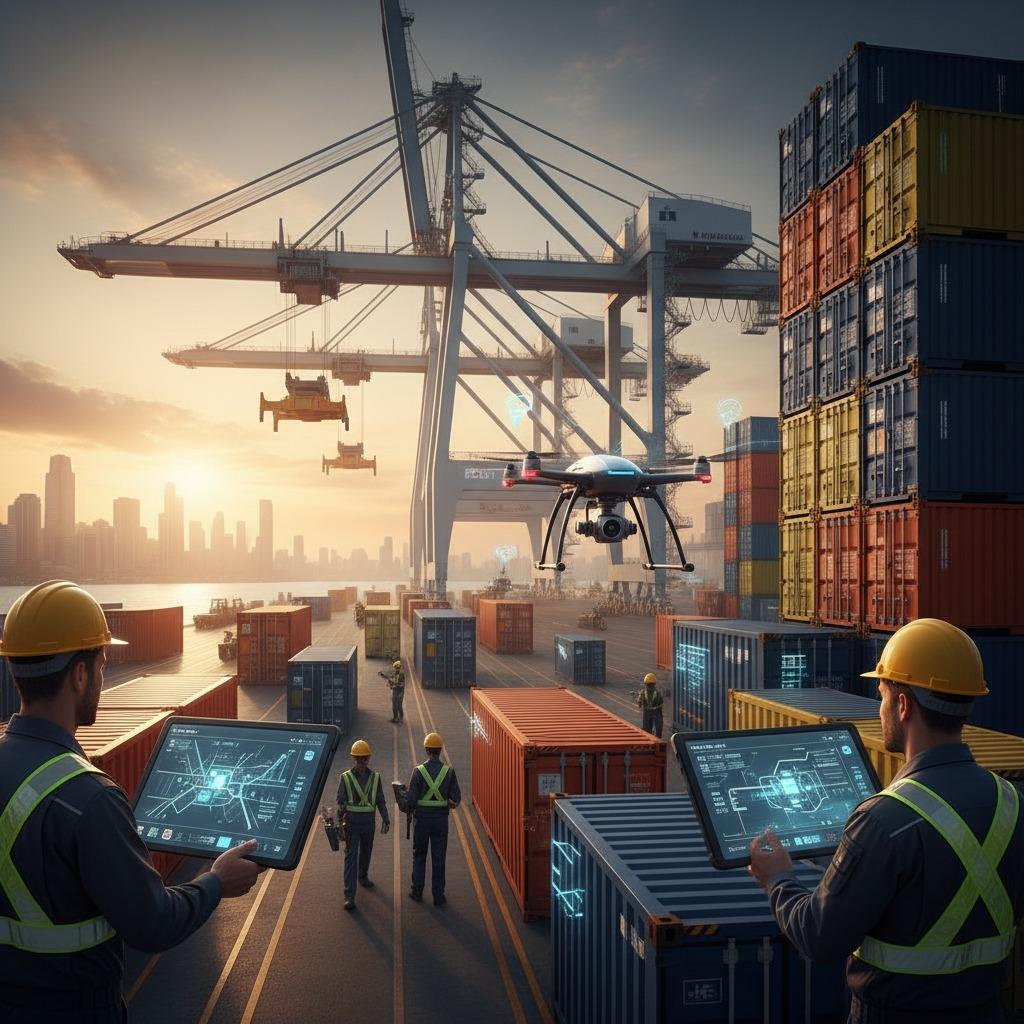
In the fast-paced world of logistics, staying ahead means embracing cutting-edge solutions that enhance efficiency, reduce costs, and ensure sustainability. This article explores five game-changing innovations in logistics, from smart shipping systems to futuristic vessels, designed to transform your supply chain operations. Whether you're managing international transport or local deliveries, these advancements in logistics are set to redefine how businesses operate.
1. Smart Shipping Container System: Streamlining Storage and Tracking
The Smart Shipping Container System stands out as a cornerstone of modern logistics by optimizing every aspect of container management. Ideal for consolidating goods on busy docks, this system features vibrant, stackable designs that maximize space utilization. From stacking at ports to loading onto trucks, it ensures seamless operations. Integrated smart technology includes built-in sensors for real-time tracking, temperature monitoring for sensitive goods, and GPS for precise location updates. Efficient packing solutions allow for easy loading and unloading of diverse cargo sizes, complete with safety measures to prevent damage. Built with high-grade steel and weatherproof coatings, these containers endure extreme conditions across land, sea, or air transport. The responsive management interface, compatible with logistics software, lets operators check cargo details via mobile devices, making inventory handling effortless. For industries like retail and manufacturing, this logistics innovation supports scalable operations and integrates seamlessly into existing infrastructure, boosting overall efficiency.
2. Smart Container Tracking System: Enhancing Visibility and Automation
Another vital innovation in logistics is the Smart Container Tracking System, perfect for bustling container yards. This revolutionary tool equips shipments with GPS-enabled RFID tags for live, pinpoint-accurate tracking, ensuring you always know where your containers are. Automated inventory scanning uses integrated sensors to read barcodes and tags during loading and unloading, slashing manual errors and accelerating workflows. Cloud-based data management offers secure, instant access to shipment updates and analytics from any mobile or desktop platform. AI-driven optimization employs predictive analytics to refine routing and scheduling, minimizing downtime and cutting transportation costs. Robust security protocols, including tamper-proof mechanisms, alert managers to any breaches, safeguarding high-value goods. What makes this logistics system shine is its efficiency in reducing manual checks, accuracy in documentation, reliability in dynamic environments like ports, and sustainability through optimized resource use that lowers carbon footprints. Tailored for e-commerce, manufacturing, and import/export, it's a dependable choice for forward-thinking operations.
3. AeroMarine X8 Hybrid Cargo Ship: Pioneering Sustainable Maritime Transport
Shifting focus to maritime logistics, the AeroMarine X8 Hybrid Cargo Ship represents the future of eco-friendly global transport. This next-generation vessel combines an aerodynamic hull with advanced turbo-propulsion systems for speed and low emissions, significantly reducing fuel consumption. Energy-efficient features like integrated solar panels and advanced battery technologies provide renewable power boosts, making it a leader in sustainable logistics. Drone integration allows autonomous cargo bots to handle loading, unloading, and even last-mile deliveries, expediting processes beyond traditional methods. With maximized cargo capacity for massive standard containers, it's ideal for heavy international routes while prioritizing safety and environmental responsibility. The augmented command center, featuring state-of-the-art navigation and AR interfaces, enables real-time route management, weather tracking, and predictive analytics for optimized journeys. Its sustainable design, with glowing LED elements for visibility, not only enhances functionality but also offers branding opportunities. For logistics professionals in global shipping, the AeroMarine X8 delivers cleaner, faster, and smarter transport solutions.
4. Integrated Sensor Networks: The Backbone of Predictive Logistics
Beyond individual products, integrated sensor networks are transforming logistics by providing a comprehensive overview of the supply chain. These networks connect devices across containers, vehicles, and warehouses to monitor conditions in real-time, from humidity and vibration to location and speed. In logistics, this means proactive issue resolution—alerting teams to potential delays before they occur. For instance, sensors can predict maintenance needs for shipping containers, preventing breakdowns that disrupt timelines. Combined with AI analytics, they optimize inventory levels, reducing overstock and shortages. This innovation is particularly beneficial for pharmaceuticals, where maintaining precise temperature control is critical. By fostering data-driven decisions, sensor networks enhance accuracy and reduce operational costs, making them indispensable for scalable logistics strategies.
5. AI-Powered Route Optimization Software: Cutting Costs and Time
Finally, AI-powered route optimization software is a must-have in contemporary logistics, leveraging machine learning to analyze traffic, weather, and delivery windows for the most efficient paths. This tool dynamically adjusts routes in real-time, minimizing fuel use and delivery times while maximizing vehicle loads. In logistics hubs, it integrates with tracking systems to balance workloads across fleets, ensuring timely arrivals. For international operations, it accounts for customs delays and port congestion, streamlining cross-border movements. Businesses adopting this software report up to 20% cost savings and improved customer satisfaction through reliable ETAs. As logistics evolves, such AI innovations bridge the gap between traditional methods and digital transformation, empowering companies to thrive in competitive markets.
These five innovations highlight the dynamic shifts in logistics, offering practical ways to enhance efficiency and sustainability. By incorporating these technologies, businesses can future-proof their operations and stay competitive in an ever-changing global landscape.





