
6 Key Ways Advanced Fleet Management Transforms Logistics
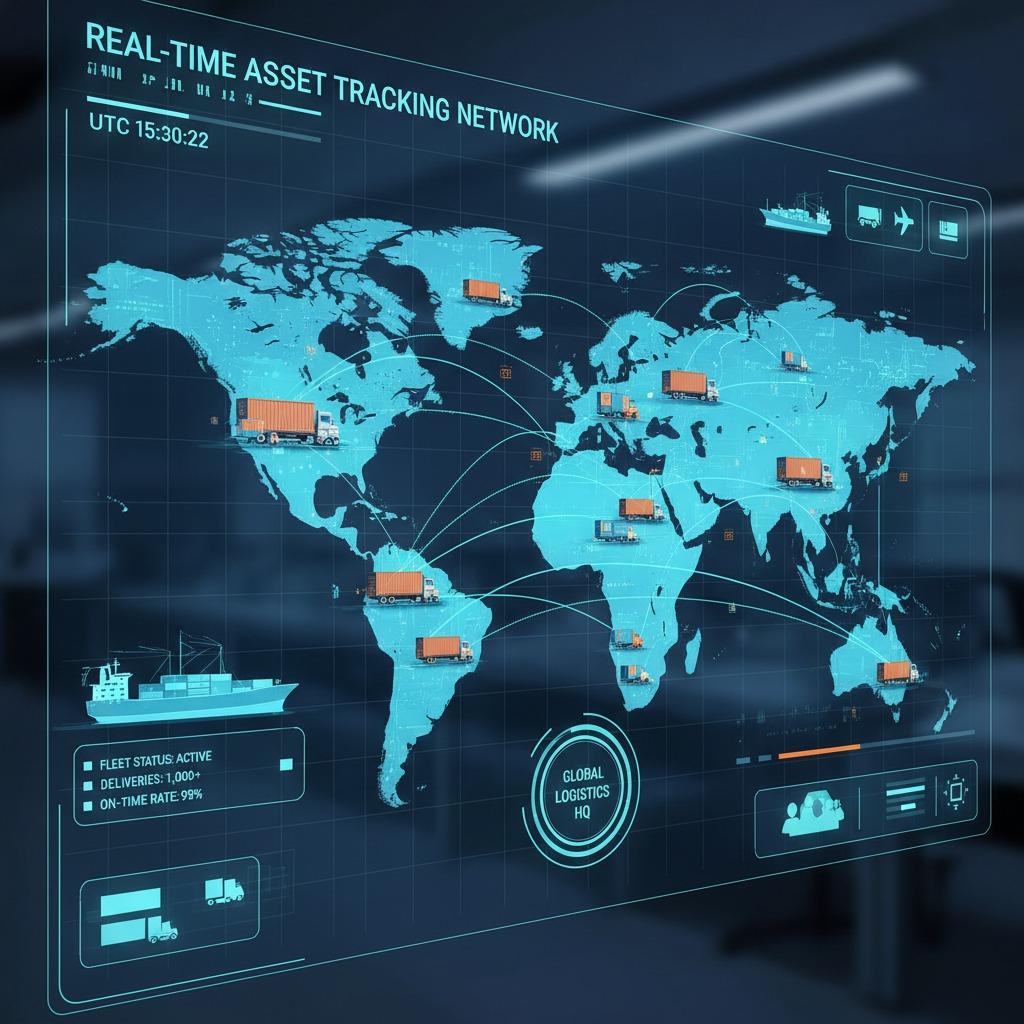
In the fast-paced world of logistics, efficiency and reliability are paramount. As a cornerstone of global trade, logistics demands innovative solutions to manage vast operations seamlessly. This article explores six essential features of modern fleet management systems that revolutionize how businesses handle transportation, from trucks to ships and aircraft. By integrating cutting-edge technology, these tools address the complexities of logistics, ensuring smoother operations and sustainable practices.
1. Real-Time Asset Tracking for Unmatched Visibility
Real-time asset tracking stands as a game-changer in logistics, providing fleet managers with precise, up-to-the-second location data for every vehicle in their network. Imagine overseeing rows of parked commercial trucks or monitoring a massive container vessel like those operated by COSCO SHIPPING— this feature ensures swift adaptations to challenges such as road closures or weather disruptions. In logistics, where timing is everything, tracking systems use GPS and IoT sensors to monitor routes across land, sea, and air. For instance, a FedEx Express cargo aircraft can be pinpointed instantly, allowing for optimized rerouting and reduced delays. This visibility not only minimizes risks but also enhances decision-making, cutting down on idle time and boosting overall productivity in logistics operations. Companies leveraging this technology report up to 20% improvements in on-time deliveries, proving its indispensable role in modern logistics.
2. Predictive Maintenance Alerts to Prevent Downtime
Predictive maintenance alerts, powered by AI diagnostics, are vital for sustaining fleet health in the demanding logistics sector. These systems analyze vehicle usage patterns to forecast potential issues before they escalate, maximizing uptime for assets like tanker trucks or refrigerated units. In logistics, unexpected breakdowns can cascade into massive delays—think of a container ship delayed at port due to engine failure, disrupting global supply chains. By embedding sensors that monitor engine performance, tire wear, and more, fleet management solutions send proactive notifications. This approach eliminates costly surprises and extends vehicle lifespan, directly impacting the bottom line. For logistics providers handling diverse fleets, such as those with FedEx's air cargo operations, predictive tools ensure compliance with stringent maintenance schedules, fostering reliability and trust among clients.
3. Eco-Efficiency Algorithms for Sustainable Logistics
With sustainability at the forefront of global logistics, eco-efficiency algorithms optimize fuel consumption and route planning to lower carbon emissions. These smart systems evaluate driving behaviors, traffic patterns, and environmental factors to suggest the most efficient paths, whether for a fleet of trucks or a COSCO SHIPPING vessel navigating oceanic routes. In logistics, where fuel costs can account for a significant portion of expenses, such innovations reduce waste and align with regulatory demands for greener practices. For example, by minimizing idling in truck depots or optimizing cargo loads on aircraft like the FedEx Express, businesses achieve substantial savings—often 15-25% on fuel alone. This not only supports environmental goals but also enhances brand reputation, appealing to eco-conscious partners in the logistics ecosystem.
4. Flexible Integration Across Diverse Fleets
Flexible integration capabilities make fleet management solutions adaptable to various vehicle types, unifying operations under one platform. In the multifaceted logistics industry, companies often manage a mix of assets—from land-based trucks to maritime ships and aerial freighters. This feature allows seamless connectivity, regardless of whether you're tracking a refrigerated truck or loading pallets onto a FedEx cargo plane. By supporting APIs and compatible hardware for tankers, containers, and more, it simplifies data flow and centralizes control. For logistics firms scaling from small operations to vast networks, this integration reduces silos, streamlines workflows, and enables real-time collaboration. The result? A cohesive system that scales with business growth, ensuring no asset is left unmanaged in the complex web of logistics.
5. Driver Monitoring and Safety Enhancements
Driver monitoring and safety features prioritize human elements in logistics, using tools like fatigue detection and speed alerts to create safer roads and skies. In high-stakes logistics environments, where long hauls on trucks or flights demand constant vigilance, these systems analyze behavior through in-cab cameras and sensors. For COSCO SHIPPING crews or FedEx pilots, real-time performance insights prevent accidents and ensure compliance with safety standards. Beyond protection, it includes training recommendations based on data, improving driver skills and operational efficiency. Logistics companies adopting these measures see reduced insurance premiums and fewer incidents, translating to cost savings and a stronger safety culture. Ultimately, safeguarding drivers fortifies the entire supply chain.
6. Custom Reporting for Data-Driven Logistics Decisions
Custom reporting tools empower logistics managers with tailored analytics on fuel use, vehicle utilization, and efficiency metrics, driving informed strategies. In an era of big data, logistics benefits from dashboards that visualize trends across fleets, from truck yards to international shipping lanes. Whether assessing a COSCO vessel's cargo throughput or a FedEx aircraft's delivery metrics, these reports highlight opportunities for optimization. Businesses can generate insights on everything from route profitability to emission reductions, enabling proactive adjustments. This data-centric approach not only refines daily operations but also supports long-term planning, helping logistics providers stay competitive in a dynamic market. By harnessing custom reports, companies transform raw data into actionable intelligence, elevating their logistics performance to new heights.





