
7 Essential Innovations in Modern Logistics
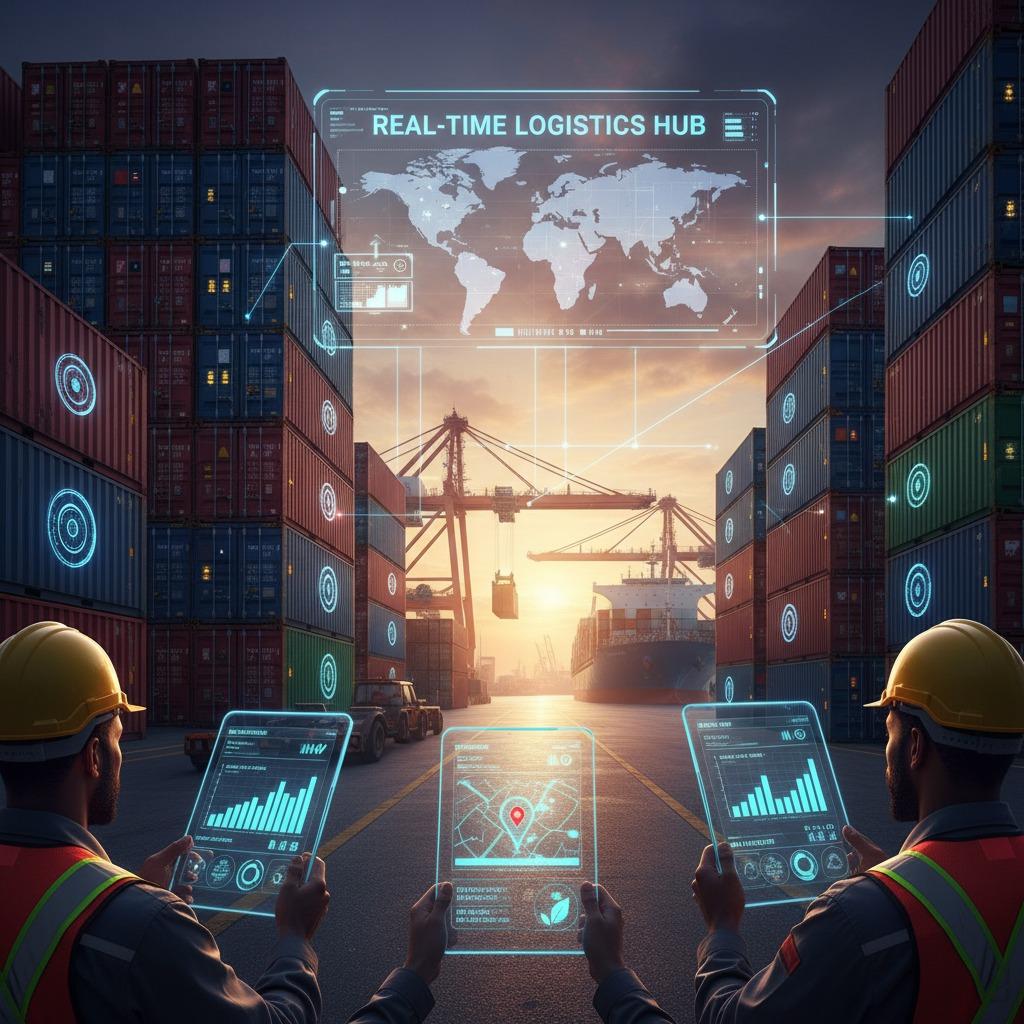
In the fast-paced world of logistics, staying ahead means embracing cutting-edge solutions that streamline operations and boost efficiency. From smart warehouses to advanced shipping vessels, logistics innovations are transforming how businesses manage supply chains. This article explores seven key advancements that are reshaping the industry, drawing on real-world examples like the Global Logistics Smart Warehouse and Container Management System and the AeroMarine HyperShip. Whether you're in shipping, warehousing, or global trade, these developments offer practical ways to enhance reliability and sustainability.
1. Smart Container Tracking
Real-time tracking is a cornerstone of modern logistics, allowing businesses to monitor shipments with precision. The Global Logistics Smart Warehouse system features sensors embedded in containers, providing live updates on location, temperature, and condition. This technology minimizes delays and losses, ensuring goods arrive intact. For instance, in bustling ports, operators can use IoT-enabled tools to track cargo from loading to delivery, reducing manual errors and improving overall supply chain visibility. By integrating with global standards, such systems support seamless cross-border logistics, making them indispensable for international trade.
2. Integrated Warehouse Management Software (WMS)
Efficient warehouse operations are vital in logistics, and advanced WMS platforms are revolutionizing inventory handling. Pictured with workers using tablets for seamless management, the Global Logistics system allows real-time stock checks, shipment scheduling, and barcode scanning. This reduces paperwork and human error, enabling faster turnaround times. Businesses benefit from automated alerts for low stock or incoming deliveries, optimizing space utilization in modular storage setups. As logistics demands grow, these software solutions ensure scalability, supporting everything from small retailers to large manufacturers in maintaining fluid operations.
3. Safety-First Design in Logistics Operations
Prioritizing worker safety is non-negotiable in logistics environments, where hazards are common. The Global Logistics platform emphasizes this with features like automated tracking that cuts down on manual handling, as seen with operators in high-visibility gear. Hard hats and safety vests complement IoT tools that monitor equipment and alert to potential risks. This approach not only complies with international standards but also boosts productivity by fostering a secure workplace. In high-risk areas like ports or warehouses, such designs minimize accidents, ensuring logistics teams can focus on efficiency without compromising well-being.
4. Eco-Friendly Packaging and Sustainable Practices
Sustainability is increasingly central to logistics strategies, with eco-friendly solutions reducing environmental impact. The Global Logistics system's use of recyclable materials in packaging, like branded boxes from Global Logistics Inc., helps lower carbon footprints. By optimizing load balancing and minimizing waste, these practices align with global eco-goals. For companies aiming for green certifications, integrating sustainable packaging with smart tracking ensures compliance and appeals to environmentally conscious consumers. This shift not only cuts costs over time but also enhances brand reputation in a competitive logistics landscape.
5. Port Optimization and Multi-Modal Transport
Ports are bottlenecks in logistics, but innovative systems are easing congestion. The Global Logistics solution coordinates containers, trailers, and cranes for faster processing, as depicted in busy port scenes. Compatibility with road, sea, and rail transport enables smooth transitions, reducing wait times and fuel use. Features like AI-driven scheduling predict arrivals and optimize routes, making logistics more agile. For global shippers, this means shorter transit times and lower operational costs, proving essential for handling peak volumes in international trade.
6. Advanced Propulsion and Drone Integration in Shipping
Maritime logistics is evolving with vessels like the AeroMarine HyperShip, which uses hybrid turbine engines combining electric and hydrogen power for near-zero emissions. This propulsion system cuts fuel costs and environmental harm, ideal for long-haul routes. Additionally, integrated drones facilitate cargo deployment to remote areas, enhancing last-mile delivery. The ship's AI controls synchronize these elements, ensuring precise navigation and load management. Such innovations make logistics not just efficient but also forward-thinking, bridging technology with sustainable trade practices.
7. Autonomous and AI-Driven Navigation
The future of logistics lies in autonomy, with systems like the HyperShip's glass-domed command center leveraging AI for route optimization. Real-time weather analysis and satellite data enable adaptive paths that save time and resources. While crew-optional, these vessels maintain human oversight for complex decisions. In broader logistics, similar AI tools in warehouses and fleets predict disruptions and automate routines. This level of intelligence transforms traditional operations into smart ecosystems, empowering businesses to scale globally with confidence and minimal risk.





