
In February 2022, a massive cruise ship traversed the Atlantic Ocean, carrying nearly 4,000 luxury cars from around the world, including prestigious brands like Porsche, Audi, Bentley, and Lamborghini. These cars gleamed with metallic luster, resembling stars on the sea, capturing the attention of onlookers. However, as the ship approached the Azores in the central Atlantic, a sudden fire broke out, turning this dream of luxury cars into a nightmare.
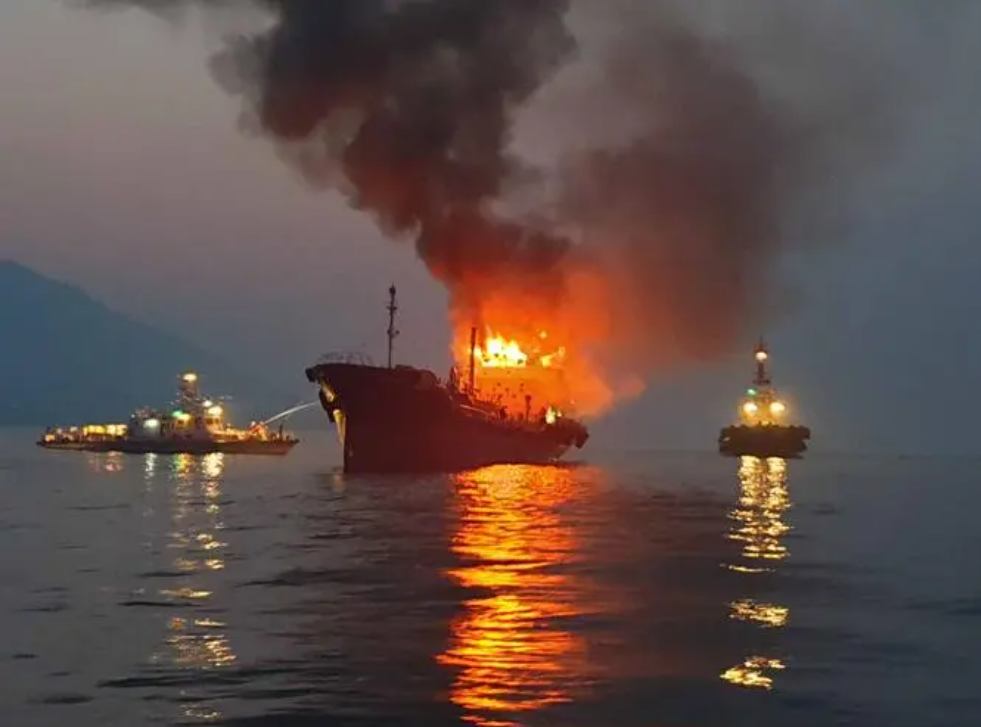 At the moment of the fire's eruption, smoke filled the ship, and orange-red flames reflected off the shimmering sea. Crew members struggled to extinguish the blaze, attempting to control it, but unfortunately, most of the vehicles were destroyed, resulting in losses exceeding $155 million. This incident recalls a similar disaster Volkswagen Group experienced in 2019, when a cargo ship transporting new cars caught fire at sea, causing thousands of luxury cars, including Porsches and Audis, to sink into the depths of the ocean.
History is not devoid of such tragedies. Looking back to 2020, a freighter carrying 2,420 used cars caught fire at Jacksonville Port in Florida, USA. The fire raged for over a week, ultimately causing approximately $40 million in massive losses, with all vehicles reduced to ashes.
Lessons from these disasters continue to accumulate. Especially concerning are the batteries of electric vehicles, classified as dangerous goods, which must be handled with utmost care during transport. Circuit disconnection is crucial to prevent short circuits that could ignite fires. These lessons not only remind companies and transportation sectors of their responsibilities but also underscore that alongside technological advancements, maintaining a focus on safety is crucial for safeguarding both cargo and personnel.





