
Understanding the Fundamentals of Logistics
Logistics forms the backbone of modern supply chains, encompassing the planning, implementation, and control of the efficient movement and storage of goods, services, and related information from origin to consumption. In today's global economy, effective logistics ensures that businesses can meet customer demands promptly while minimizing costs and environmental impact. Whether it's coordinating shipments across continents or optimizing warehouse operations, logistics integrates various modes of transportation to create seamless operations.
Innovations in Freight and Warehouse Logistics
One of the latest advancements in logistics is the Advanced Freight Loading System, which revolutionizes warehouse efficiency. This system features a high-capacity refrigerated trailer equipped with state-of-the-art cooling technology, ideal for transporting temperature-sensitive goods like pharmaceuticals and perishables. Paired with a versatile forklift designed for ergonomic handling, it allows for quick pallet maneuvering in tight spaces, significantly reducing loading times. Safety is paramount, with precision controls on the forklift and reinforced trailer walls protecting cargo during transit. Built from durable materials, this setup ensures longevity under rigorous conditions, maximizing efficiency and turnaround for businesses reliant on reliable transportation logistics.
Maritime Logistics: Sailing into Sustainability
In the realm of maritime logistics, state-of-the-art cargo ships are leading the charge toward sustainable global trade. These vessels boast sleek designs that minimize drag, boosting fuel efficiency and cutting emissions to align with international environmental standards. Equipped with advanced navigation and logistics systems, they optimize routing for safe, efficient ocean passages while accommodating maximum cargo capacity for diverse goods. Robust construction and cutting-edge safety features prioritize crew and cargo well-being, making these ships a cornerstone of eco-conscious shipping. By redefining maritime operations, they support businesses in expanding reach with reduced ecological footprints.
Air Cargo: The Speed of Modern Logistics
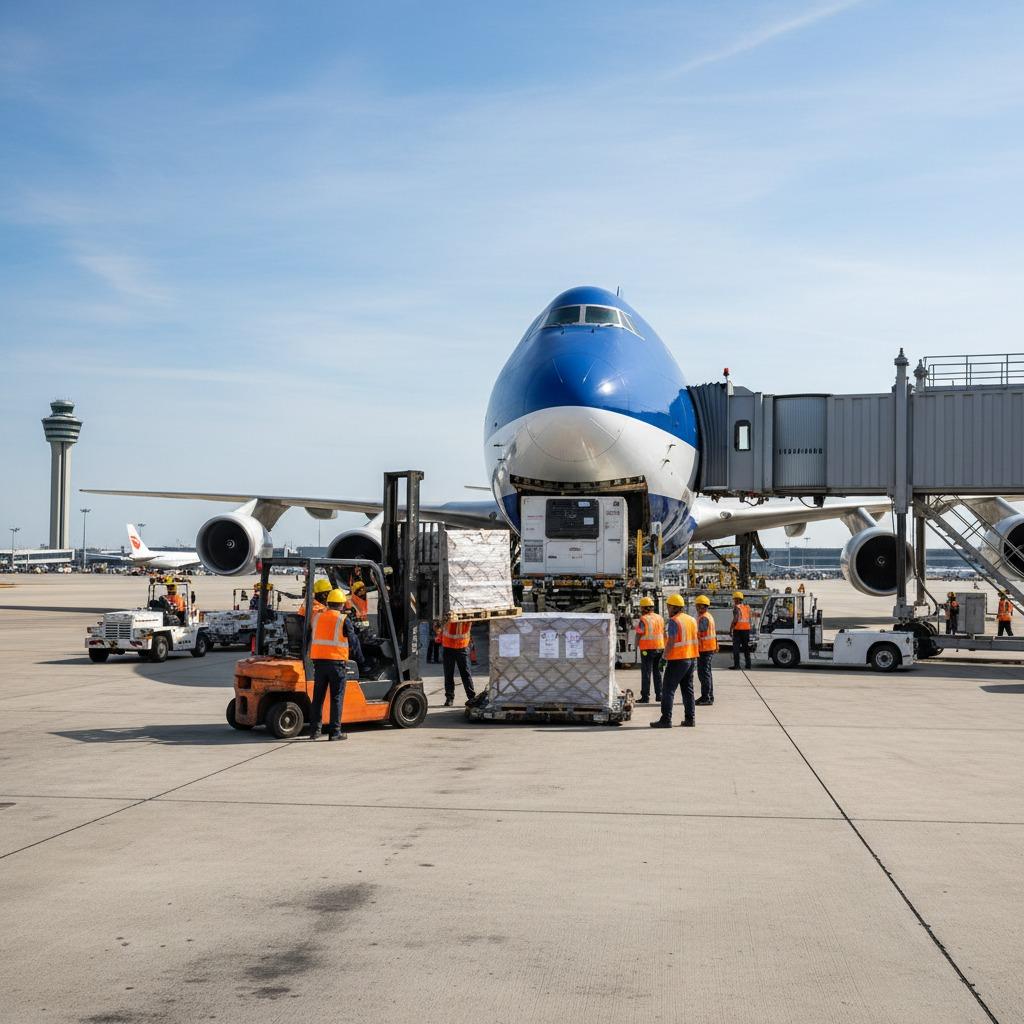
Air cargo represents the pinnacle of speed in logistics, with innovative systems at airports enabling rapid, precise handling of goods worldwide. At the core is the state-of-the-art aircraft optimized for payload capacity and fuel efficiency, complemented by advanced loading equipment and skilled personnel to minimize turnaround times. High-quality containers and smart tracking technology ensure cargo integrity and security from ground to air, suitable for everything from essential supplies to delicate items or bulk shipments. This setup addresses the demands of fast-paced markets, facilitating seamless global commerce without boundaries.
The Future of Integrated Logistics Solutions
As logistics continues to evolve, integrating these innovations across freight, maritime, and air transport creates a cohesive ecosystem that drives business growth. Companies adopting such systems benefit from streamlined processes, enhanced safety, and sustainable practices. From refrigerated trailers handling perishables to efficient cargo ships and swift air operations, the focus remains on reliability and optimization. Embracing these advancements not only improves operational effectiveness but also positions businesses to thrive in a competitive, interconnected world. With logistics at the helm, the future of supply chain management promises greater efficiency and global connectivity.





