
Understanding the Essentials of Logistics
Logistics forms the backbone of modern supply chains, ensuring that goods move efficiently from producers to consumers. In today's fast-paced world, effective logistics means coordinating transportation, warehousing, and inventory management to minimize costs and maximize speed. This critical field encompasses everything from planning routes to handling customs clearances, making it indispensable for businesses aiming to stay competitive.
Key Components Driving Logistics Success
At the heart of logistics are robust systems that integrate various modes of transport, such as trucks, ships, and trains. For instance, premium semi-trailer trucks equipped with high-torque engines and aerodynamic designs exemplify how innovation enhances fuel efficiency and reduces environmental impact. These vehicles comply with stringent emission standards, supporting sustainable practices while managing heavy payloads. Advanced technology, including telematics for real-time tracking and safety features like adaptive cruise control, further ensures seamless operations. In maritime settings, state-of-the-art ports with automated gantry cranes accelerate cargo handling, reducing turnaround times and bolstering global trade efficiency.
The Role of Technology in Transforming Logistics
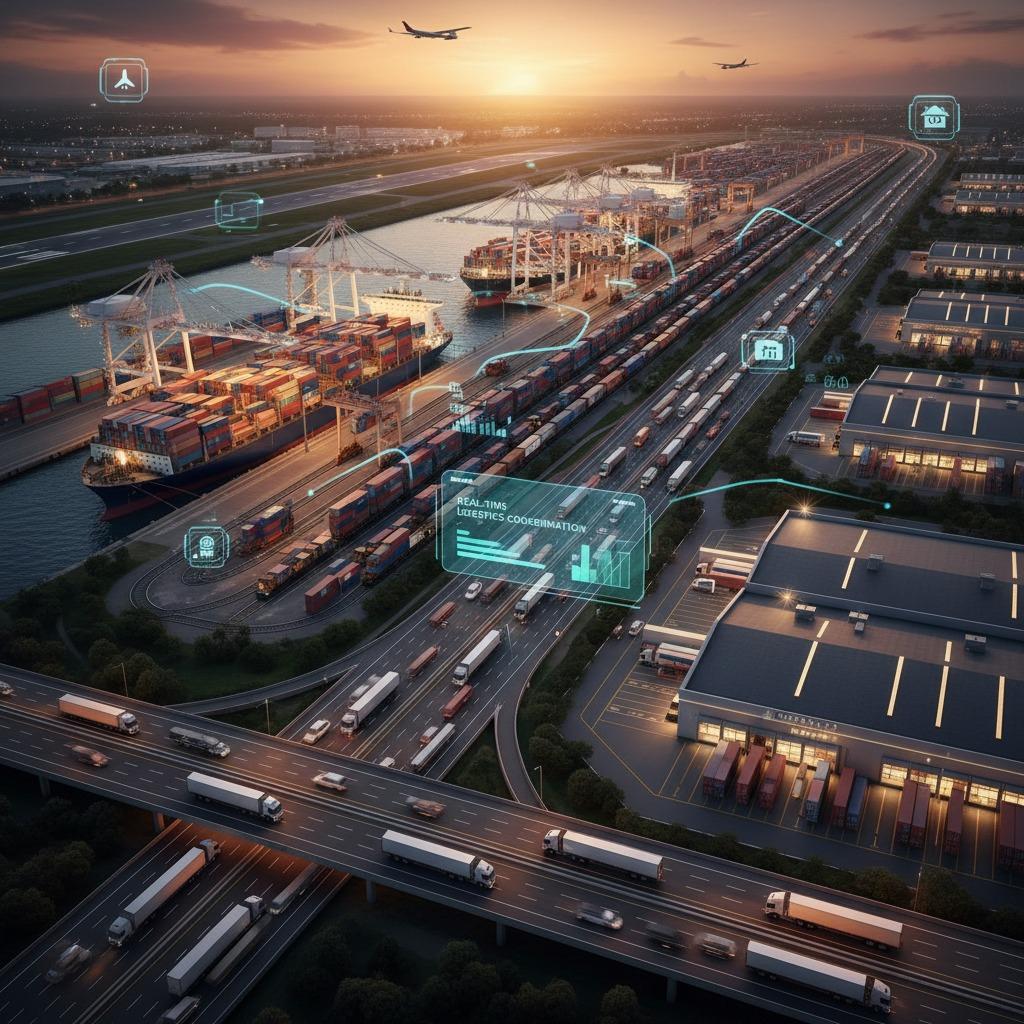
Technology is revolutionizing logistics by introducing smart infrastructure and automation. Multi-modal hubs that combine cargo ships, high-speed trains, and drones facilitate real-time collaboration, minimizing delays in freight movement. Drone delivery networks handle last-mile solutions for high-value shipments, while AI-driven predictive analytics optimize routes to avoid congestion. Sustainable solutions, such as electric trucks and solar-powered systems, are gaining traction, lowering carbon emissions without compromising performance. Real-time data hubs process logistics information, enabling agile responses to supply chain disruptions. This integration of cutting-edge tools not only boosts reliability but also scales to meet the needs of e-commerce and manufacturing sectors.
Building Sustainable and Efficient Logistics Networks
Sustainability is a growing priority in logistics, with companies adopting eco-friendly practices to align with global regulations. Hybrid vehicles and electrified rail systems reduce reliance on fossil fuels, while modular warehouse designs offer flexibility for evolving business demands. In port operations, eco-conscious methods like synchronized crane movements and enhanced connectivity ensure efficient workflows with minimal environmental footprint. Intelligent highways with automated management systems enhance safety for both autonomous and traditional fleets, promoting smoother freight transportation across continents. These advancements create resilient networks that support intercontinental shipping and infrastructure planning, ensuring goods reach their destinations reliably.
The Future Outlook for Logistics Innovation
Looking ahead, logistics will continue to evolve with innovations that prioritize speed, security, and sustainability. Driver-centric features in modern trucks, such as ergonomic cabins and digital dashboards, improve long-haul efficiency, reducing fatigue and enhancing productivity. Global partnerships in shipping underscore the importance of reliable networks for international commerce. As businesses navigate complex supply chains, investing in versatile cargo solutions and advanced monitoring will be key to overcoming challenges like peak demand and geopolitical shifts. Ultimately, a well-orchestrated logistics strategy empowers organizations to deliver value, fostering growth in a connected world.





