
Emerging Trends Shaping the Future of Logistics
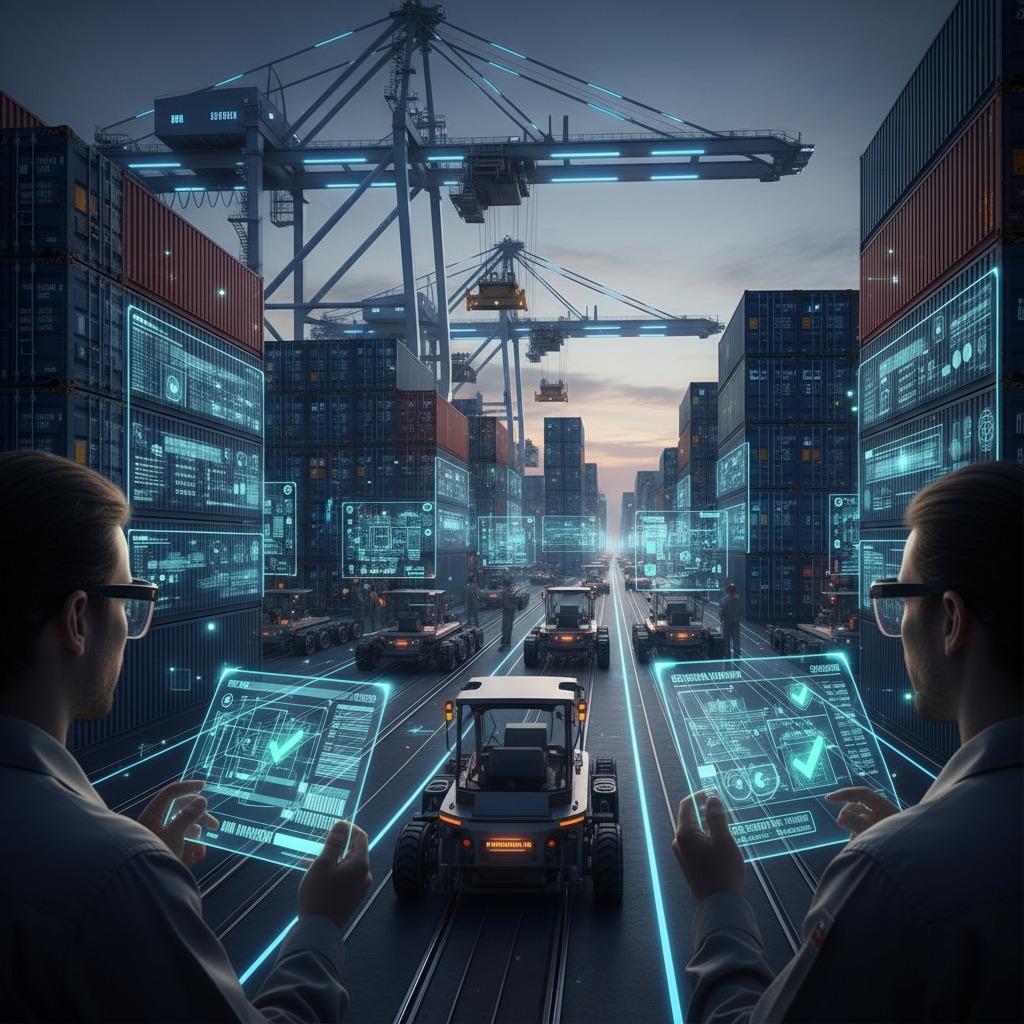
In the rapidly evolving world of logistics, current trends are revolutionizing how goods move across global supply chains. The integration of advanced technologies like AI and automation is at the forefront, enabling logistics professionals to optimize operations in unprecedented ways. As trade volumes surge, particularly in bustling ports and maritime hubs, the demand for efficient, sustainable solutions has never been higher. This shift towards smarter logistics not only enhances speed and accuracy but also addresses environmental concerns, making it a pivotal area for industry growth.
Technological Innovations Driving Logistics Efficiency
One of the most prominent trends in logistics is the adoption of smart container management systems. These systems leverage real-time tracking and automated inventory sorting to handle high-density container environments seamlessly. For instance, in expansive ports handling thousands of shipments daily, such innovations reduce delays and improve cargo identification. Coupled with advanced crane integration powered by AI, logistics operations see significant boosts in loading and unloading efficiency, minimizing worker risks and operational downtimes. Data analytics software further empowers logistics managers by predicting shipping patterns, allowing for proactive resource allocation and streamlined workflows.
Sustainability and Eco-Friendly Practices in Logistics
Sustainability is another key trend transforming logistics, with a strong emphasis on eco-friendly solutions. Modern equipment, including energy-efficient cranes and renewable energy integrations, is helping ports and maritime facilities lower their environmental footprint. Tugboats equipped with high-power, low-emission engines exemplify this shift, offering robust performance while reducing fuel consumption. In logistics, where global trade relies heavily on sea and air transport, these practices are crucial for meeting regulatory standards and appealing to eco-conscious stakeholders. As companies prioritize green initiatives, the sector is witnessing a move towards circular economy models that recycle materials and minimize waste in supply chains.
The Role of Advanced Engineering in Modern Logistics
Engineering marvels like state-of-the-art aircraft and tugboats are redefining logistics capabilities. Sleek aircraft with ultra-modern winglets and twin engines optimize fuel efficiency for air freight, ensuring reliable domestic and international deliveries. On the maritime side, sophisticated vessels with cutting-edge navigation systems enhance harbor operations, from docking assistance to cargo handling. Security upgrades, including advanced surveillance, safeguard logistics assets in vast port complexes. These innovations blend functionality with style, as seen in vibrant designs that stand out against dynamic backdrops like twilight harbors or dawn skies, symbolizing the future of seamless global trade.
Challenges and Opportunities in Global Logistics Trends
Despite these advancements, logistics faces challenges such as supply chain disruptions and rising costs. However, trends like integrated data platforms offer opportunities to forecast and mitigate risks effectively. Ports are increasingly adopting holistic solutions that synchronize tugboat operations with crane systems and container storage, creating fluid workflows. As logistics evolves, the focus on precision and reliability will drive further investments in AI-driven tools and sustainable infrastructure. This trend analysis underscores how logistics is not just about movement but about intelligent, resilient systems that power the world's economy, promising a more connected and efficient tomorrow.





