
Evolution of Logistics: Trends Shaping the Future of Global Supply Chains
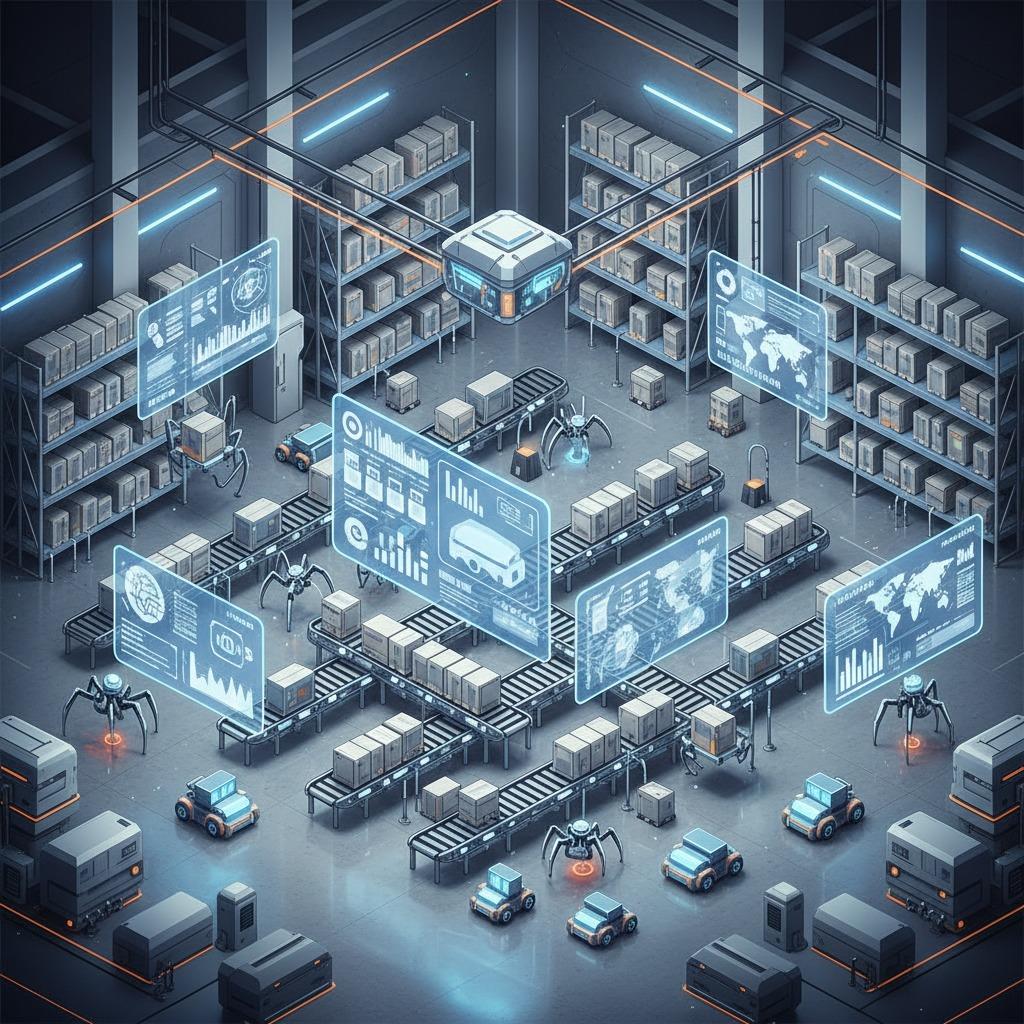
In the rapidly evolving world of logistics, current trends are redefining how goods move across the globe. Logistics, as the backbone of international trade, is witnessing a surge in intelligent systems that integrate artificial intelligence, real-time analytics, and sustainable practices. This shift is driven by the need for efficiency amid growing e-commerce demands and environmental concerns. Companies are increasingly adopting smart hubs that optimize shipment tracking and inventory management, minimizing delays in urban and global freight networks. The logistics sector is no longer just about transportation; it's becoming a seamless ecosystem blending technology with human ingenuity to handle complex supply chains.
Sustainable Innovations in Logistics Infrastructure
Sustainability is a dominant trend in logistics, with renewable energy sources like solar panels powering modern facilities. Picture a futuristic logistics hub surrounded by multi-tiered highways, high-speed trains, and autonomous electric vehicles operating in harmony. These advancements reduce carbon footprints while enhancing operational efficiency. In ports and maritime operations, state-of-the-art cranes and IoT-enabled platforms enable rapid loading and unloading of containers from massive cargo ships. This integration of land, sea, and air transport—complete with fleets of precision drones for last-mile deliveries—exemplifies how logistics is adapting to eco-conscious standards. Predictive analytics further streamline processes, ensuring quicker transport times and reduced waste, setting new benchmarks for global shipping infrastructure.
The Rise of Autonomous and Tech-Driven Logistics
Technological integration is another key trend transforming logistics, with autonomous drones and vessels leading the charge. These compact drones facilitate agile deliveries, ideal for urban environments where speed and precision are paramount. Meanwhile, advanced container cargo vessels, engineered for durability and scalability, transport thousands of containers across oceans with minimized emissions through cutting-edge engine technology. Navigation systems and integrated crane operations at ports ensure smooth, rapid turnarounds, even under heavy loads. This trend towards automation not only boosts reliability but also fosters international collaboration, enabling businesses to transfer goods cost-effectively across continents. Logistics is evolving into a connected network where data-driven decisions prevent disruptions and enhance scalability.
Global Trade and the Role of Advanced Ports in Logistics
Ports are at the forefront of logistics trends, serving as critical nodes in global trade. Expansive facilities with systematic container organization and automated heavy-duty vehicles are optimizing throughput and reducing human error. By the pristine blue waters, these hubs link maritime transport with land-based networks, utilizing real-time tracking for inventory and traffic management. The trend towards precision maritime operations is evident in streamlined hull designs that lower energy consumption during long voyages. As industries worldwide embrace these innovations, logistics is driving commerce forward with a focus on environmental standards and efficiency. This interconnected approach not only accelerates global distribution but also positions logistics as a pillar of sustainable economic growth.
Looking Ahead: The Impact of Trends on Logistics Efficiency
As we analyze these trends, it's clear that logistics is heading towards a future of unparalleled interconnectedness. The blend of AI-powered hubs, sustainable transport modes, and advanced vessels is minimizing delays and maximizing resource use. Businesses leveraging these developments can achieve faster, greener supply chains, from air cargo integration to drone-assisted last-mile solutions. The overall trajectory suggests a logistics landscape where innovation meets functionality, ensuring resilience against challenges like climate change and market volatility. Embracing these trends will be essential for industries aiming to thrive in a world demanding speed, sustainability, and smart operations.





