
What is Logistics and Why Does It Matter?
Logistics is the backbone of modern commerce, encompassing the planning, execution, and control of the movement and storage of goods, services, and information from origin to consumption. In today's global economy, effective logistics ensures that everything from everyday consumer products to critical military supplies reaches their destinations efficiently and on time. Whether through air, sea, or land transport, logistics integrates various modes of transportation to optimize supply chains and reduce costs. For industries like shipping and aviation, understanding logistics is essential for operational success and customer satisfaction.
How Do Heavy Transport Aircraft Contribute to Logistics?
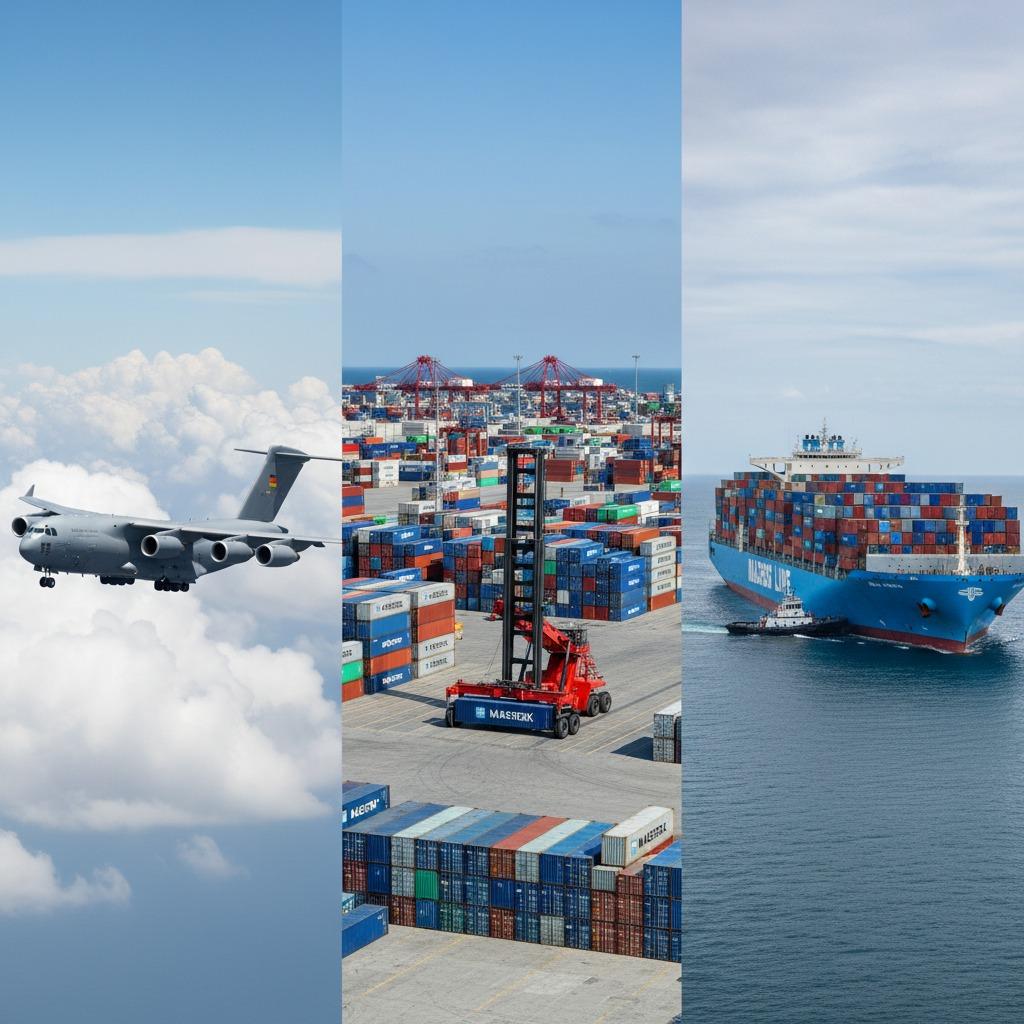
Heavy transport aircraft play a pivotal role in logistics, particularly for time-sensitive and remote deliveries. These state-of-the-art machines, equipped with robust designs and high-powered turbofan engines, are engineered for strategic airlift and logistical support in air force missions. Their large fuselages allow for maximum internal volume, ideal for carrying heavy cargo, equipment, or personnel across vast distances. The T-tail configuration enhances flight stability, making them reliable for operations in challenging environments. In military transport, these aircraft facilitate the rapid deployment of troops and tactical equipment, while in humanitarian aid, they deliver supplies to disaster-stricken areas. For businesses relying on global logistics, such aircraft symbolize efficiency and readiness, ensuring payloads are transported swiftly to boost operational capabilities.
What Role Do Reach Stackers Play in Container Logistics?
In ground-based logistics, reach stackers are indispensable for handling heavy-duty containers in ports and warehouses. These industrial machines, like the one lifting a Maersk-labeled container, demonstrate incredible lifting strength and precision with their extendable arms, allowing for efficient stacking at greater heights. Logistics operations benefit from this technology by maximizing space usage and streamlining cargo movement. The durable construction of Maersk-branded containers withstands harsh conditions, ensuring reliable global transport. This setup is crucial for shipping and warehousing industries, where quick accessibility and organized storage minimize delays. By integrating reach stackers into logistics workflows, companies enhance productivity and reduce handling times, making them a cornerstone of modern freight management.
How Does Maritime Shipping Enhance Global Logistics?
Maritime shipping forms the artery of international logistics, with vessels like the Maersk Line container ship transporting thousands of intermodal containers across oceans. These colossal ships, with their blue hulls and advanced maritime technology, prioritize cargo capacity and energy efficiency to lower emissions and support sustainable practices. Logistics through sea transport ensures the smooth flow of goods in high-volume trade, with secured containers optimized for space and stability against ocean challenges. Supporting elements, such as tugboats for docking, highlight the coordinated efforts in logistics that guarantee safe arrivals at ports worldwide. For global businesses, this mode of logistics represents reliability and innovation, enabling on-time delivery of essential goods and fostering economic connectivity.
What Are Common Challenges in Logistics and How to Overcome Them?
Logistics often faces challenges like supply chain disruptions, regulatory compliance, and environmental impacts. Delays from weather or geopolitical issues can halt operations, but diversified transportation modes—such as combining air freight with sea shipping—mitigate risks. Technology integration, including tracking systems and automation like reach stackers, improves visibility and efficiency. Sustainability is another hurdle; opting for fuel-efficient aircraft and low-emission vessels addresses this while meeting global standards. By prioritizing robust planning and adaptable strategies, logistics professionals can overcome these obstacles, ensuring seamless operations that align with business goals.
Why Choose Advanced Solutions for Your Logistics Needs?
Investing in advanced logistics solutions, from heavy transport aircraft to container vessels, empowers organizations to stay competitive. These technologies not only handle diverse applications like military deployments and humanitarian efforts but also drive cost savings and reliability. As logistics evolves, embracing innovations ensures your supply chain remains resilient and future-proof, supporting everything from local warehousing to international trade.





