
Understanding Logistics in Modern Commerce
The logistics industry forms the backbone of global commerce, ensuring that goods move efficiently from manufacturers to consumers. Logistics encompasses the planning, execution, and control of the movement and storage of goods, services, and information. In today's fast-paced world, effective logistics is crucial for businesses aiming to meet customer demands promptly and cost-effectively. With the rise of e-commerce, the demand for streamlined logistics services has surged, making it a vital sector for economic growth.
The Role of Air Freight Logistics
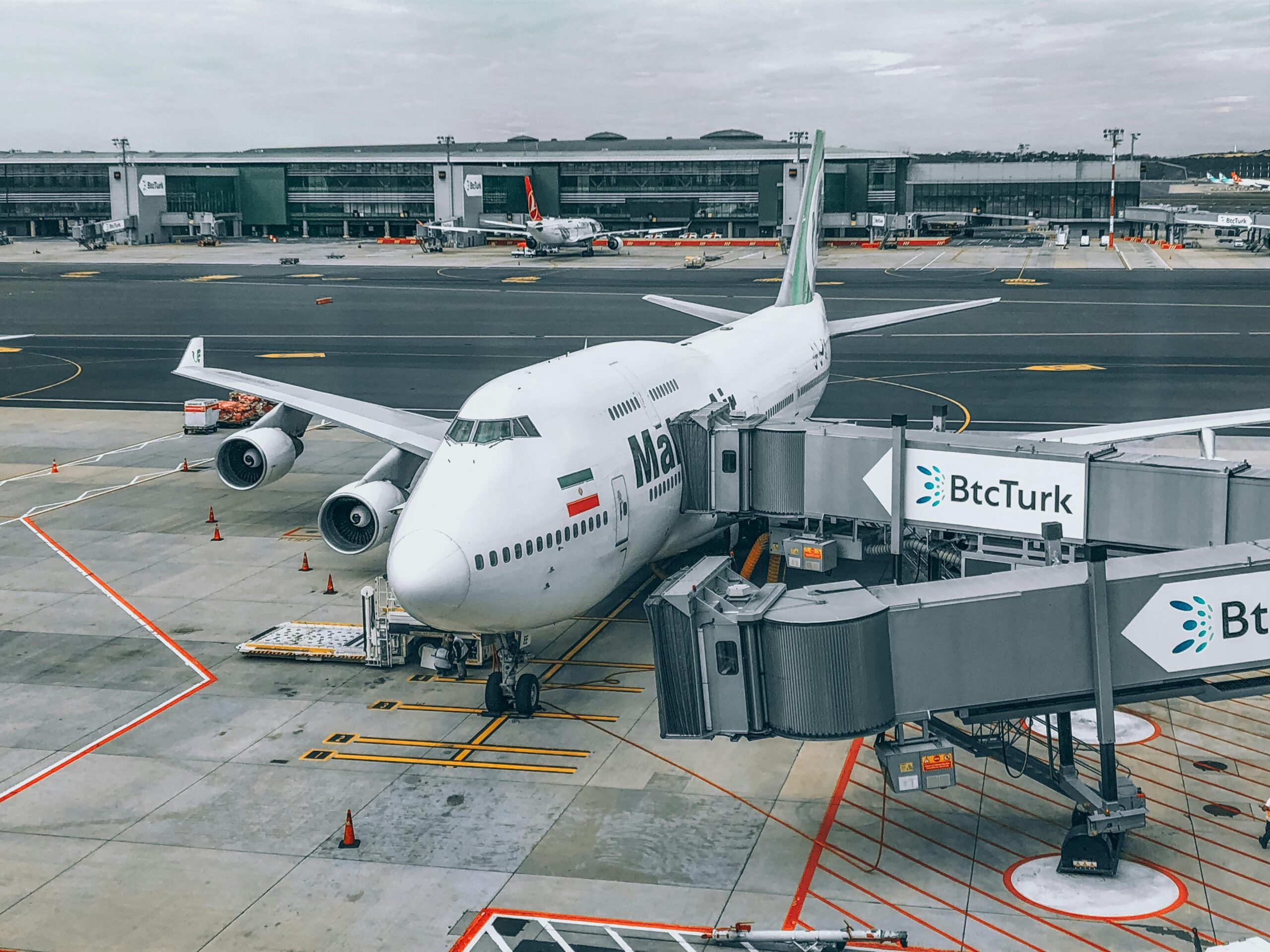
Air freight logistics represents a specialized segment within the broader logistics framework, focusing on the transportation of cargo via aircraft. This method is particularly advantageous for time-sensitive shipments, such as perishable goods or high-value electronics, where speed is paramount. Air freight logistics leverages advanced aircraft like the Boeing 747, known for its massive cargo capacity and ability to handle international routes swiftly. The process involves meticulous coordination, from packaging at origin to customs clearance at destination, ensuring minimal delays. Statistics from the International Air Transport Association indicate that air cargo accounts for about 35% of global trade value, despite comprising only 0.5% of total volume, underscoring its efficiency for premium shipments.
Enhancing Business with Comprehensive Logistics Services
Logistics services extend beyond mere transportation, incorporating warehousing, inventory management, and supply chain optimization. A reliable logistics service provider can integrate air freight logistics with ground and sea options to create a seamless multimodal network. For instance, companies utilizing the Boeing 747 for air freight benefit from its wide-body design, which allows for the carriage of oversized cargo, reducing the need for multiple flights. Insights from industry reports show that businesses adopting integrated logistics services experience up to 20% reduction in operational costs and improved delivery accuracy. These services also emphasize sustainability, with modern practices focusing on fuel-efficient routes and eco-friendly packaging to lower carbon footprints.
Future Trends in Logistics and Innovation
Looking ahead, logistics is poised for transformation through technologies like AI-driven route optimization, blockchain for transparent tracking, and drone-assisted last-mile delivery. Air freight logistics will continue to evolve, with aircraft innovations enhancing capacity and reducing emissions. For businesses, partnering with expert logistics service providers ensures adaptability to these changes, maintaining competitiveness in a dynamic market. As global trade expands, robust logistics systems will be indispensable, driving efficiency and customer satisfaction across industries.





