
Understanding the Foundations of Modern Logistics
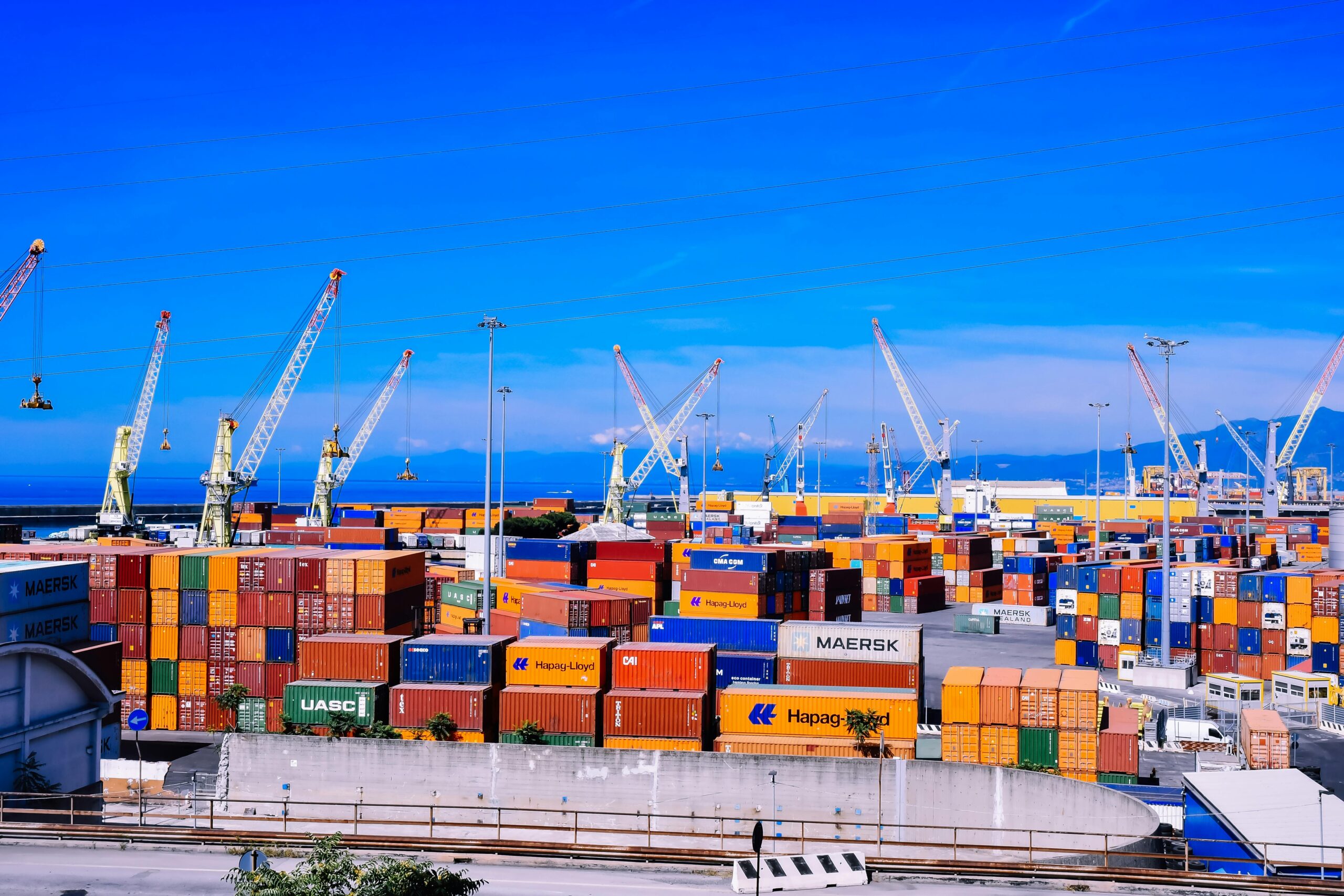
In the realm of global commerce, logistics stands as the backbone that ensures the seamless flow of goods from origin to destination. This intricate process encompasses planning, implementing, and controlling the efficient movement and storage of items, products, and services. At its core, effective logistics relies on precision engineering and technological integration to minimize delays and maximize efficiency. For instance, in bustling container shipping ports, towering cranes engineered for high precision handle colorful containers from leading brands like Maersk and Hapag-Lloyd, which are built to endure the harsh conditions of sea travel. These operations highlight how logistics forms the vital link in international trade, connecting diverse economies through streamlined transportation networks.
Advancements in Logistics Management
Logistics management is the strategic orchestration of resources to optimize supply chain performance. It involves coordinating transportation, warehousing, inventory control, and order fulfillment to achieve cost-effective delivery. Modern logistics management incorporates advanced analytics and real-time tracking to forecast demand and mitigate risks such as supply disruptions. Consider the infrastructure at a state-of-the-art port: automated systems facilitate rapid turnover of cargo, reducing wait times and boosting productivity. By integrating data from GPS-enabled vessels and RFID-tagged containers, logistics management ensures that every shipment adheres to tight schedules, enhancing overall supply chain resilience. This level of detail not only cuts operational costs but also supports sustainable practices, such as optimizing routes to lower fuel consumption and emissions.
Implementing Innovative Logistics Solutions
Logistics solutions represent tailored strategies and technologies designed to address specific challenges in the supply chain. From multimodal transportation that combines sea, rail, and road freight to just-in-time inventory systems, these solutions drive efficiency in global operations. At container ports, for example, the seamless integration of automated cranes and digital platforms allows for high-volume handling without compromising safety or speed. Leading logistics solutions also leverage AI-driven predictive maintenance for equipment, ensuring that cranes and conveyor systems operate at peak performance. As global trade expands, robust logistics solutions become essential for scaling operations, enabling companies to navigate complexities like customs regulations and fluctuating market demands while maintaining competitive edges.
The Role of Logistics Software in Streamlining Operations
Logistics software serves as the digital nervous system of contemporary supply chains, providing tools for automation, visibility, and decision-making. These platforms enable end-to-end tracking, from warehouse picking to final delivery, often integrating with ERP systems for holistic oversight. In a port environment, logistics software coordinates crane operations with vessel schedules, optimizing load sequences to prevent bottlenecks. Features like route optimization algorithms and demand forecasting modules help in reducing idle times and inventory overstock. By harnessing cloud-based logistics software, businesses can achieve real-time collaboration among stakeholders, fostering agility in response to disruptions. Ultimately, adopting such software transforms traditional logistics into a data-driven powerhouse, capable of handling the scale and sophistication required for international shipping.
Future Trends Shaping Logistics Evolution
Looking ahead, the evolution of logistics is poised for transformation through emerging technologies like blockchain for secure transactions and drones for last-mile delivery. These innovations build on current practices, such as the precise engineering seen in port cranes, to further enhance connectivity and efficiency. As logistics continues to symbolize global interdependence, investing in adaptive logistics management and cutting-edge logistics solutions will be key to thriving in an interconnected world. The vivid spectacle of orderly container arrangements under blue skies not only underscores industrial prowess but also previews a future where logistics software drives unparalleled productivity and sustainability.





