
Do You Know What Port Skipping Is?
Port skipping, as the name suggests, refers to a situation where a vessel skips a port that it was originally scheduled to call at and proceeds directly to the next port.
In such cases, the cargo might be temporarily offloaded at another port and then later transported to its destination port by another vessel. Alternatively, the vessel may go to another port first and then deliver the cargo to the destination port afterward.
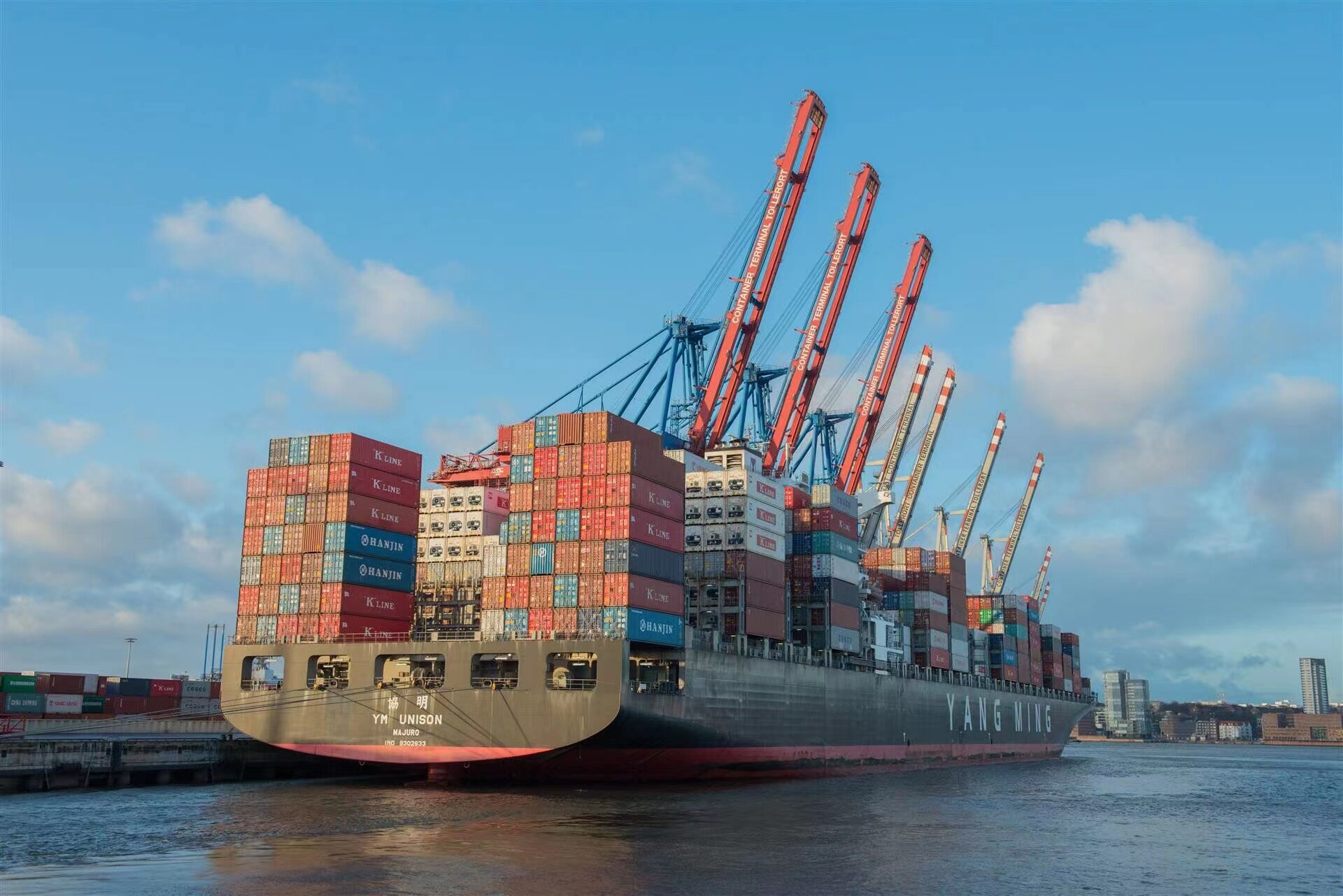 There are many reasons that can cause port skipping, such as port congestion, vessel malfunctions, wars in the port area, and adverse weather conditions—factors that are generally beyond control. When port skipping occurs due to such force majeure factors, shipowners are not liable for compensation.
Although the likelihood of port skipping is relatively low in reality, it is not unheard of. For instance, during the COVID-19 pandemic, the ports of Los Angeles and Long Beach on the U.S. West Coast experienced severe congestion. Vessels had to wait in long queues to berth. To reduce delays and maintain the overall schedule reliability, many shipping companies decided to skip the Port of Los Angeles and proceed directly to the next port of call, such as the Port of Oakland or the Port of Seattle. Cargo that was originally scheduled to be unloaded at the Port of Los Angeles was either diverted to other ports or transported to Los Angeles by the next available vessel.
As a result, not only was the transportation time extended, but additional costs were also incurred—costs that had to be borne by the cargo owner. Sigh!





