
What is Logistics and Why Does It Matter?
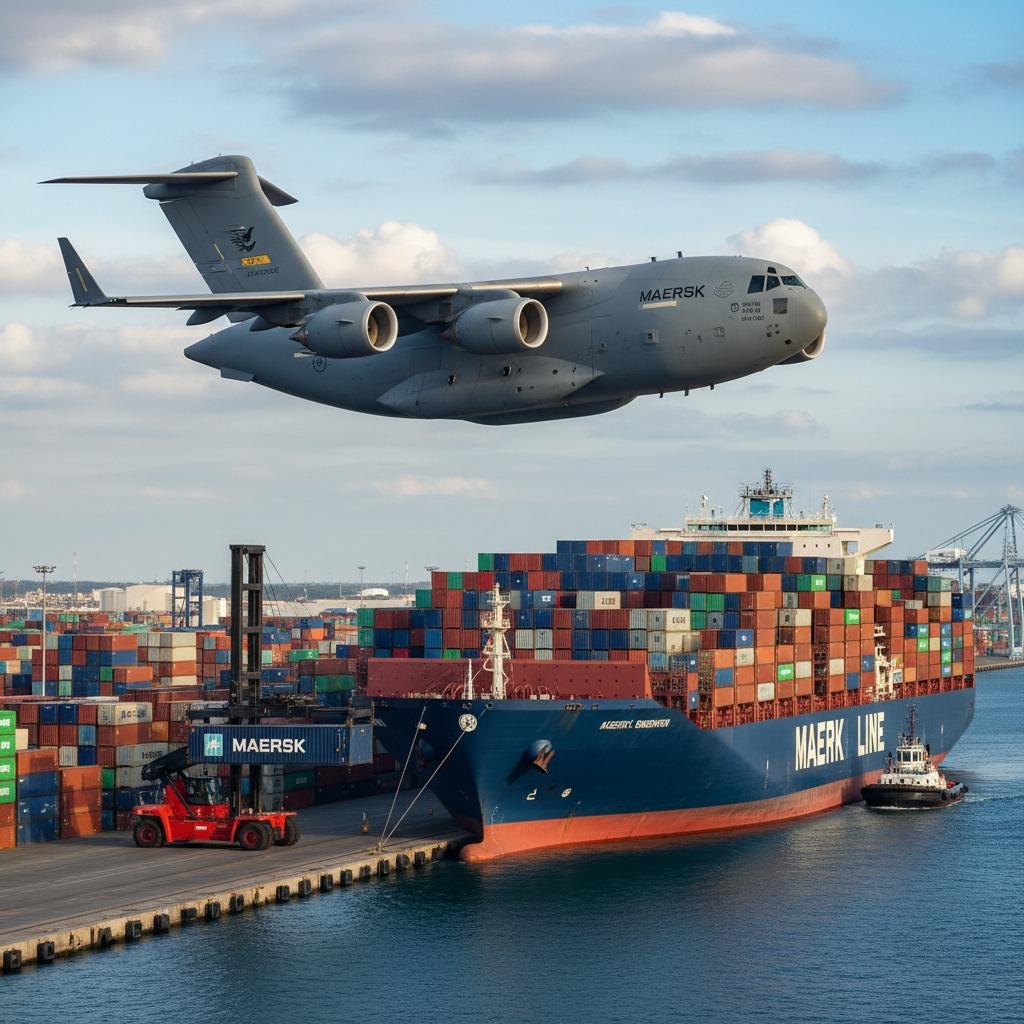
Logistics is the backbone of global commerce, encompassing the planning, execution, and control of the movement and storage of goods, services, and information from origin to consumption. In today's interconnected world, effective logistics ensures that products reach consumers efficiently, minimizing delays and costs. Whether through air, sea, or ground transport, logistics drives economic growth by optimizing supply chains and enabling businesses to thrive.
How Does the Y-20 Aircraft Enhance Logistics Capabilities?
One of the most impressive advancements in logistics is the Y-20, China's state-of-the-art strategic airlift aircraft designed for the China Air Force. This heavy transport plane represents a significant leap in aerospace engineering, particularly in air logistics. With its robust design, the Y-20 can handle oversized cargo, vehicles, troops, and supplies across diverse terrains worldwide. Equipped with four powerful turbofan engines, it offers exceptional range, speed, and payload capacity, making it ideal for strategic and tactical missions, even in high-altitude regions.
The aircraft's state-of-the-art avionics provide precision navigation and efficient communication, enhancing overall mission effectiveness. Beyond military use, the Y-20 excels in disaster relief and humanitarian efforts, delivering heavy equipment to inaccessible areas swiftly. As a symbol of China's aerospace prowess, it strengthens global logistics systems by ensuring reliable transport in demanding conditions.
What Role Do Reach Stackers Play in Container Logistics?
In ground-based logistics, the Reach Stacker Container Handling System stands out as a powerhouse of efficiency. This innovation redefines freight operations with advanced cargo handling, effortlessly lifting and maneuvering large containers for swift stacking and unstacking. Built with heavy-duty construction, it withstands the weight of fully loaded containers in industrial environments, ensuring durability and reliability.
Precision and stability are key features, thanks to finely tuned hydraulic systems and ergonomic controls that minimize risks and prevent cargo displacement. Despite its robust build, the reach stacker offers compact mobility, navigating tight spaces in busy ports or yards. It supports multi-level stacking to maximize space and streamline warehousing, while eco-friendly designs reduce emissions for sustainable operations. Perfect for ports, intermodal terminals, and shipping hubs, this system boosts throughput and productivity in container logistics.
How Do Container Ships Like Maersk Line Contribute to Maritime Logistics?
Maritime logistics relies heavily on vessels like the Maersk Line container ship, a modern marvel engineered for international cargo transportation. This ship epitomizes efficiency, carrying thousands of standardized containers across oceans to fuel global trade. Its massive size and capacity make it essential for moving manufactured products, raw materials, and perishables, setting standards for large-scale operations.
Equipped with cutting-edge navigation and environmental measures, it prioritizes sustainability by reducing emissions while maximizing efficiency. Safety is paramount, with robust designs that endure harsh maritime conditions and seamless integration with global ports for secure, swift deliveries. The iconic Maersk blue branding underscores reliability and innovation, making it a cornerstone of international logistics.
What Are Common Challenges in Modern Logistics and How to Overcome Them?
Logistics faces challenges like supply chain disruptions, rising costs, and environmental pressures. To overcome these, businesses adopt technologies such as AI for predictive analytics and automation for faster handling. For instance, integrating aircraft like the Y-20 with reach stackers and ships like Maersk ensures resilient networks. Diversifying routes and investing in green tech also help mitigate risks, keeping logistics smooth and adaptive.
Future Trends in Logistics: What to Expect
Looking ahead, logistics will evolve with autonomous vehicles, blockchain for tracking, and drone deliveries enhancing speed. Air logistics via advanced aircraft, efficient port handling with reach stackers, and smarter maritime fleets will drive this transformation. Embracing these trends positions companies to meet growing demands, ensuring logistics remains a vital force in global connectivity.





