
The Imperative for Innovation in Logistics
In today's fast-paced global economy, logistics stands as the backbone of commerce, yet it's often plagued by inefficiencies that stifle growth. As someone deeply invested in the future of supply chains, I firmly believe that embracing cutting-edge technologies is not just an option—it's a necessity. Consider the traditional methods: manual handling, outdated tracking, and fragmented workflows that lead to delays and waste. It's time we take a bold stance against these outdated practices and champion innovations that propel logistics into a new era of precision and sustainability.
Revolutionizing Maritime and Port Operations
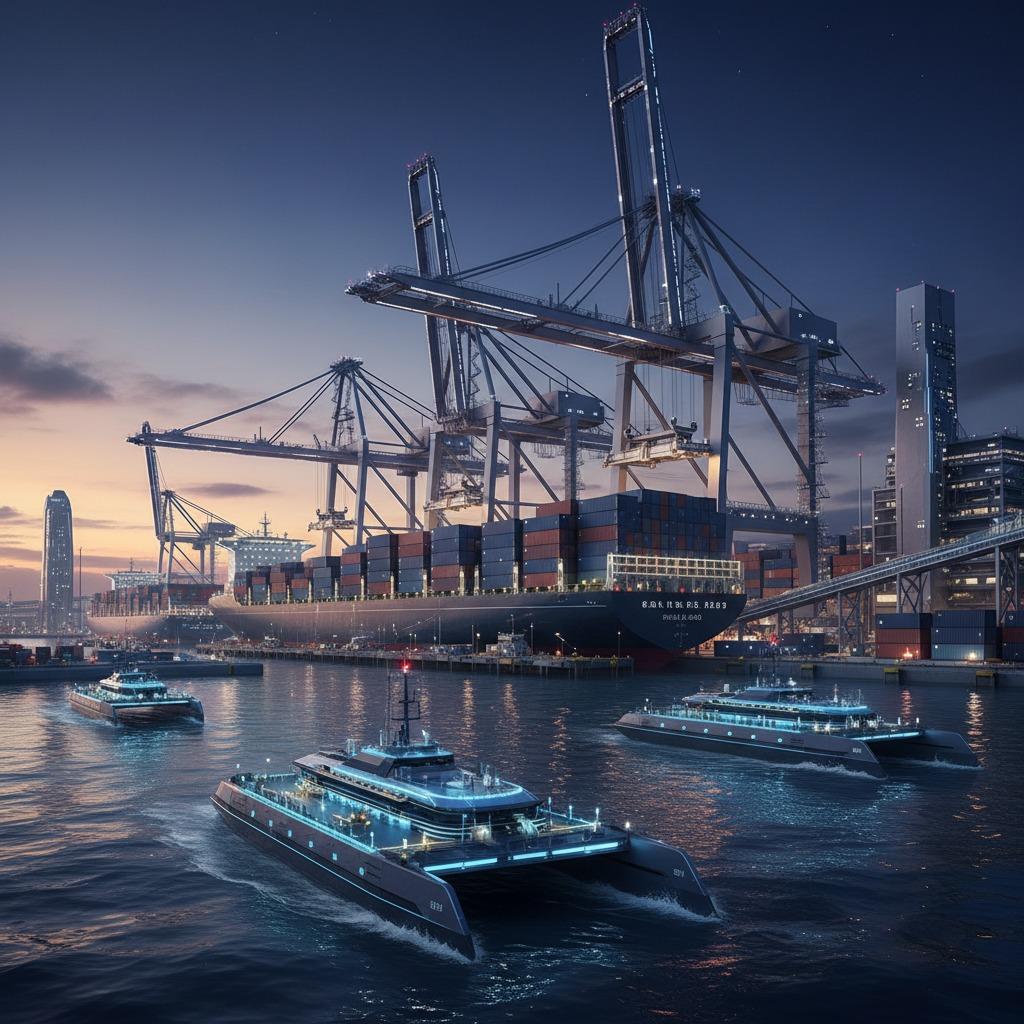
One area ripe for transformation is maritime logistics, where dock cranes and vessels play pivotal roles. I advocate strongly for the adoption of next-generation dock cranes, like the ones engineered for unmatched precision and power. These massive structures, with their intricate frameworks, seamlessly maneuver heavy cargo against the twilight backdrop of bustling ports. Paired with state-of-the-art scout maritime vessels featuring advanced lighting and reinforced decks, they create a synergy that exemplifies efficiency. In my opinion, such setups in polished industrial waterfronts aren't mere luxuries; they're essential for cargo hubs and shipyards demanding durability and performance. By integrating these, we can reduce downtime and enhance safety, proving that logistics can be both robust and aesthetically serene.
Empowering Human-Machine Synergy in Warehouses
Shifting to inland operations, logistics thrives when human ingenuity meets automation. I argue passionately for automated logistics workflows that foster collaboration rather than replacement. Picture a modern industrial scene where workers in protective gear interact with high-precision machinery symbolized by interlocking gears. This human-machine harmony, optimized for packaging, processing, and transport, minimizes errors and boosts productivity. Key features like AI-enhanced sensors, scalable infrastructure, and eco-friendly designs make these systems indispensable for factories, warehouses, and e-commerce centers. From my perspective, ignoring this integration means falling behind; it's about empowering workers while streamlining repetitive tasks, turning complex logistics into an effortless process that prioritizes well-being and efficiency.
Embracing SmartStack for Sustainable Shipping
Finally, no discussion on logistics is complete without addressing storage and transport innovations. I take a firm stand in favor of SmartStack Shipping Containers, which redefine versatility and sustainability. Crafted from durable, weather-resistant steel, these containers offer innovative space optimization through secure stacking and customizable interiors for specialized needs like refrigeration. With built-in GPS and IoT for real-time tracking, plus solar-powered features, they align perfectly with global trade demands, pop-up architecture, and warehousing. In an era of environmental scrutiny, their recyclable materials and energy efficiency are game-changers. Logistics, in my view, must evolve beyond steel boxes to intelligent solutions that ensure secure, monitored journeys across continents, transforming challenges into opportunities for modern, eco-conscious operations.
A Call to Action for the Logistics Industry
Ultimately, the future of logistics hinges on our willingness to innovate boldly. Whether through advanced cranes, automated workflows, or smart containers, these tools address the core issues of efficiency, safety, and sustainability. As an advocate for progressive supply chains, I urge industry leaders to invest in these technologies now. The result? A seamless, resilient network that not only meets today's demands but anticipates tomorrow's, ensuring logistics remains a driver of economic prosperity rather than a bottleneck.





