
Understanding Logistics in Modern Supply Chains
Logistics forms the backbone of global commerce, ensuring that goods move efficiently from manufacturers to consumers. This intricate process involves planning, implementing, and controlling the flow of materials and information. In today's fast-paced world, effective logistics not only optimizes delivery times but also reduces costs and minimizes environmental impact. As businesses strive for seamless operations, innovations in technology are transforming how logistics is managed across industries.
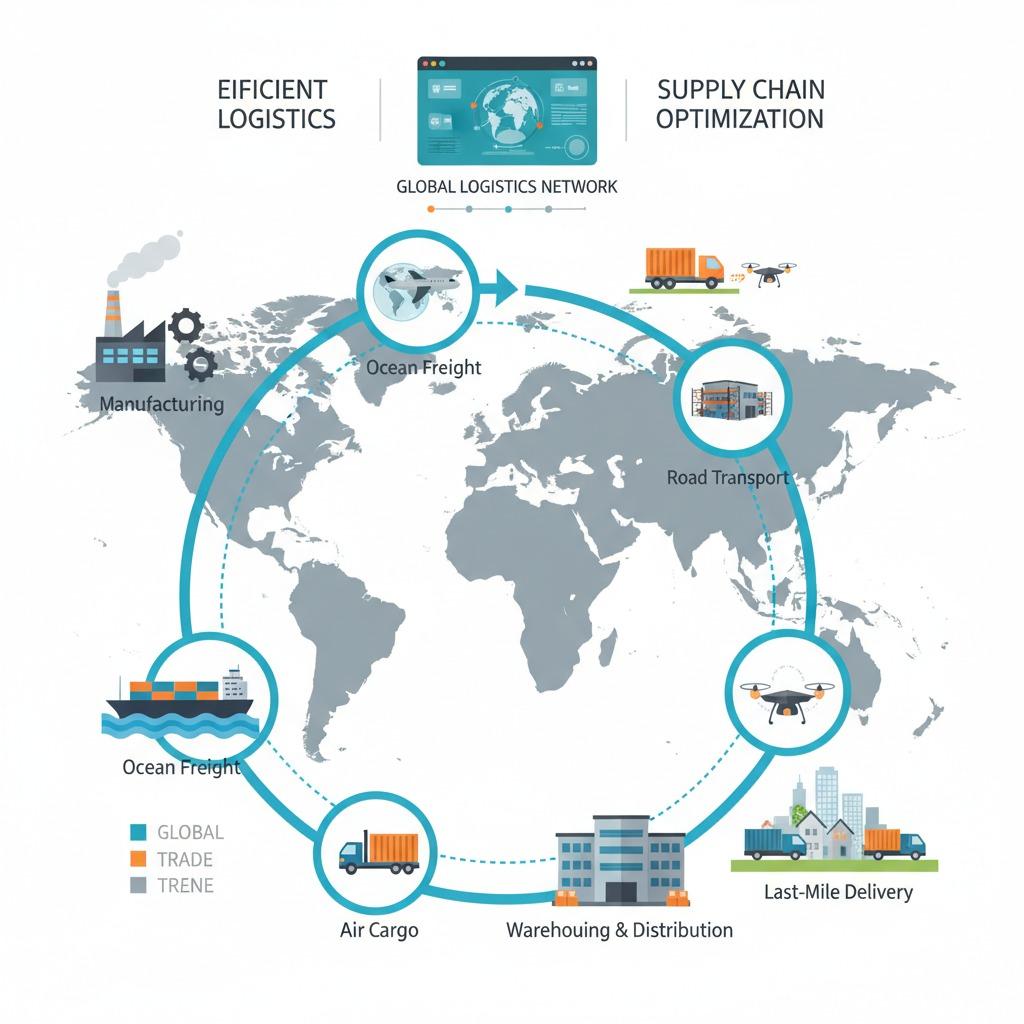
The Role of Advanced Systems in Logistics Efficiency
One groundbreaking advancement in logistics is the Ground Operations Management System (GOMS 360), a comprehensive solution tailored for airport efficiency. This system revolutionizes ground handling by integrating real-time coordination for equipment like baggage loaders, refueling trucks, and cargo tugs. Through smart IoT sensors and AI algorithms, GOMS 360 synchronizes operations, reducing aircraft turnaround times and enhancing overall logistics flow at airports. Its enhanced efficiency features allow ground staff to monitor vehicle locations and load statuses precisely, ensuring tasks are completed under tight schedules without errors.
Safety remains a top priority in logistics, and GOMS 360 excels with automated protocols that detect hazards such as improper vehicle placement or fuel spillage. These features instantly alert teams or pause operations, preventing accidents that could disrupt the supply chain. Moreover, its eco-friendly routing systems for ground vehicles cut down on carbon emissions and energy costs, promoting sustainable logistics practices. The system's data analytics dashboard provides actionable insights from operational data, helping airports refine processes and prepare for peak periods, thereby streamlining the entire logistics ecosystem.
Logistics in Aviation and Ground Transportation
Beyond airports, logistics extends to aviation through state-of-the-art commercial aircraft designed for efficiency and sustainability. These aircraft feature advanced aerodynamics with tapered noses and streamlined fuselages that reduce drag and improve fuel efficiency, crucial for long-haul logistics routes. Equipped with twin turbofan engines, they minimize noise and emissions while delivering powerful thrust, aligning with global environmental standards. Inside, luxurious cabins with spacious seating and noise insulation ensure passenger comfort during transit, indirectly supporting logistics by maintaining reliable air cargo capacities.
Safety innovations like real-time diagnostics and automated flight systems further bolster logistics reliability in aviation. Lightweight composite materials reduce the aircraft's carbon footprint, making it a model for green logistics. On the ground, heavy-duty transport trucks play a vital role in logistics by hauling shipping containers along highways. These robust vehicles, often branded for international shipping like COSCO, feature reinforced chassis for heavy payloads and advanced safety systems to secure cargo during local or intercontinental journeys.
Future Trends and Challenges in Logistics
The integration of technology in logistics continues to evolve, with applications like baggage coordination in GOMS 360 preventing delays through precise inventory tracking. Refueling operations benefit from real-time monitoring, ensuring quick recalibrations and redirections to maintain schedule adherence. As global trade expands, logistics faces challenges such as infrastructure limitations and regulatory compliance, but solutions like multi-lane highways support smooth transit for freight trucks, enhancing connectivity in the supply chain.
Investing in modern logistics tools not only minimizes operational costs but also improves reliability and environmental accountability. From airport ground operations to highway freight movement, effective logistics ensures industries remain competitive. By leveraging data-driven insights and sustainable practices, businesses can achieve punctual turnarounds and smoother passenger experiences, paving the way for a more efficient global commerce landscape. As logistics evolves, its impact on economic growth and innovation becomes increasingly profound.





