
Frequently Asked Questions About Logistics
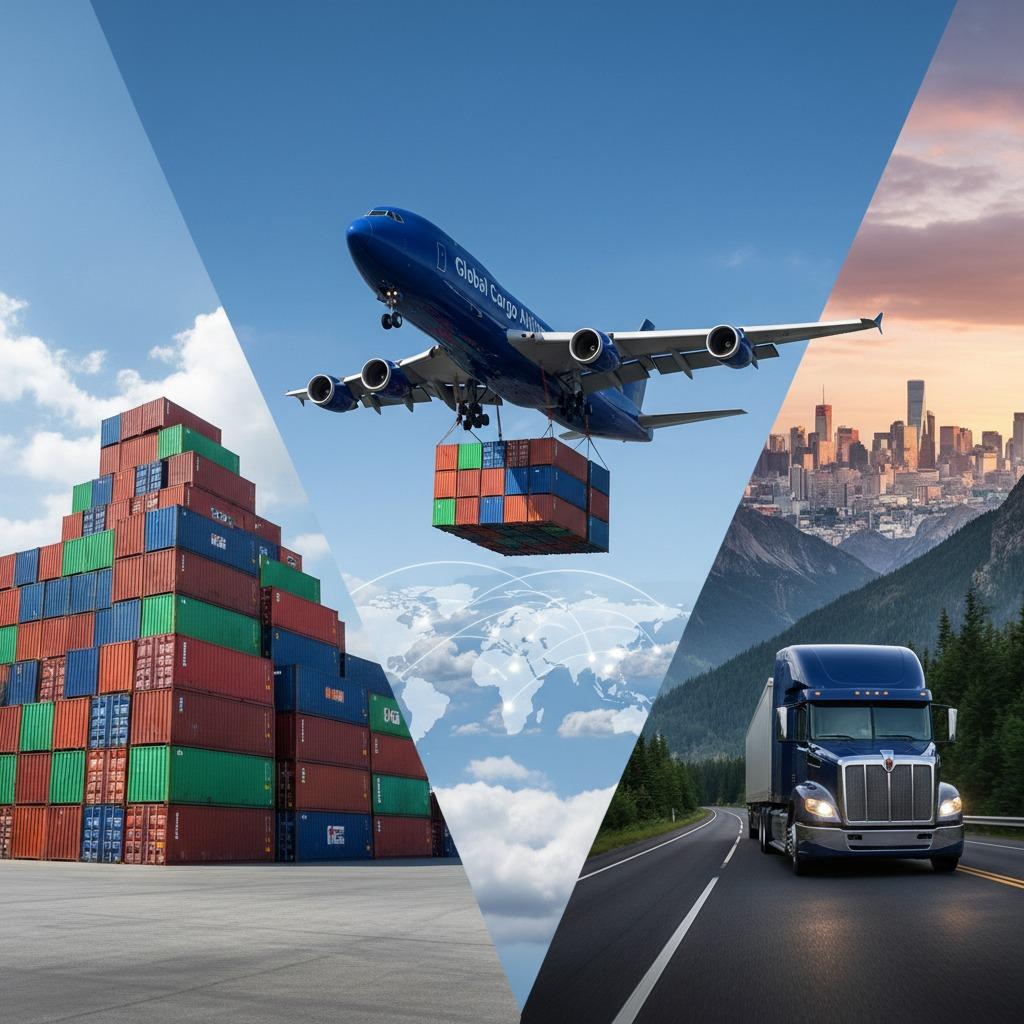
In the fast-paced world of global trade, logistics plays a crucial role in ensuring that goods move efficiently from origin to destination. Whether you're a business owner shipping products internationally or a manager optimizing supply chains, understanding the fundamentals of logistics can make all the difference. This FAQ addresses common questions about logistics, drawing on innovative solutions like modular shipping containers, airborne freight systems, and advanced haulers to provide practical insights.
What Are the Key Components of Effective Logistics?
Effective logistics involves planning, implementing, and controlling the efficient flow and storage of goods, services, and related information from point of origin to point of consumption. Key components include transportation, warehousing, inventory management, and order fulfillment. For instance, high-quality shipping containers are essential for secure transport, offering durability and versatility in stacking for seamless operations. These containers, made from robust steel, withstand harsh conditions while their vibrant colors aid in quick identification at busy ports. Integrating such elements ensures minimal delays and cost savings, making logistics a backbone of modern commerce.
How Do Shipping Containers Enhance Logistics Operations?
Shipping containers revolutionize logistics by providing standardized, secure units that simplify global transport. Crafted for rigorous demands, they feature secure locking mechanisms and are designed for easy stacking, optimizing space in warehouses and on vessels. In logistics, these containers not only protect goods during transit but also support versatile uses, from storage to innovative projects like modular architecture. Companies relying on logistics benefit from their longevity and resilience against environmental stresses, reducing the risk of damage and streamlining processes. With an array of colors available, organization becomes effortless, allowing for faster loading and unloading in high-volume hubs.
What Innovations Are Transforming Air Freight in Logistics?
Air freight innovations, such as the Global Cargo Airlines airborne system, are transforming logistics by enabling rapid, large-scale delivery across continents. This advanced cargo plane uses specialized cradles to transport multiple shipping containers directly from the skies, connecting key hubs like Shanghai, Dubai, and Frankfurt efficiently. In logistics, this means expedited delivery times and reduced ground congestion, with its aerodynamic design promoting fuel efficiency and environmental sustainability. For businesses, adopting such systems cuts transit durations significantly, ideal for time-sensitive goods like perishables or high-value electronics, redefining international trade routes.
How Does Advanced Trucking Improve Ground Logistics?
Ground logistics benefits immensely from vehicles like the UltraStream Hauler, a cutting-edge truck blending power, elegance, and technology. In logistics, this hauler's sleek deep blue aerodynamic body minimizes drag and enhances fuel efficiency, while LED roof lighting ensures safety during extended hauls. Its state-of-the-art digital cockpit integrates with real-time fleet management, allowing drivers to navigate complex routes with ease and reduce fatigue through ergonomic design. Whether traversing mountains or urban areas, it delivers superior performance, making it a game-changer for reliable ground transport in logistics networks.
What Challenges Do Businesses Face in Logistics and How to Overcome Them?
Common challenges in logistics include supply chain disruptions, high costs, and regulatory compliance. To overcome them, businesses can leverage durable shipping containers for secure storage and transport, minimizing losses from environmental factors. Airborne systems address delays by offering swift aerial routes, while advanced haulers optimize ground efficiency with smart tech. Implementing integrated logistics strategies, such as real-time tracking and diversified transport modes, helps mitigate risks. By focusing on resilience and innovation, companies can enhance visibility, cut expenses, and improve overall supply chain reliability.
Why Is Sustainability Important in Modern Logistics?
Sustainability in logistics is vital for reducing environmental impact amid growing global awareness. Innovations like fuel-efficient haulers and eco-friendly air freight systems lower emissions, supporting greener operations. Shipping containers made from recyclable steel contribute to long-term sustainability by enduring multiple uses. Businesses prioritizing sustainable logistics practices not only comply with regulations but also appeal to eco-conscious consumers, potentially lowering costs through efficient resource use. Embracing these approaches ensures logistics evolves responsibly, balancing economic needs with planetary health.





