
Understanding the Essentials of Logistics in Modern Trade
Logistics forms the backbone of global commerce, ensuring that goods move seamlessly from producers to consumers. In today's interconnected world, effective logistics management is crucial for businesses aiming to stay competitive. This involves coordinating the flow of information, materials, and products across various channels. With the rise of e-commerce and international trade, the demand for streamlined logistics has never been higher. Companies rely on innovative solutions to optimize their supply chains, reducing costs and improving delivery times.
The Role of Logistics Services in Streamlining Operations
A reliable logistics service provider acts as a vital partner in the supply chain, handling everything from warehousing to distribution. These services integrate technology and expertise to ensure timely and secure transportation of goods. For instance, advanced tracking systems allow real-time monitoring, minimizing delays and errors. Businesses benefit from customized logistics services that cater to specific needs, whether it's perishable items requiring temperature control or bulk shipments demanding high-volume capacity. By outsourcing to a professional logistics service, companies can focus on their core operations while experts manage the complexities of movement and storage.
Advancements in Transportation Logistics and Sustainable Practices
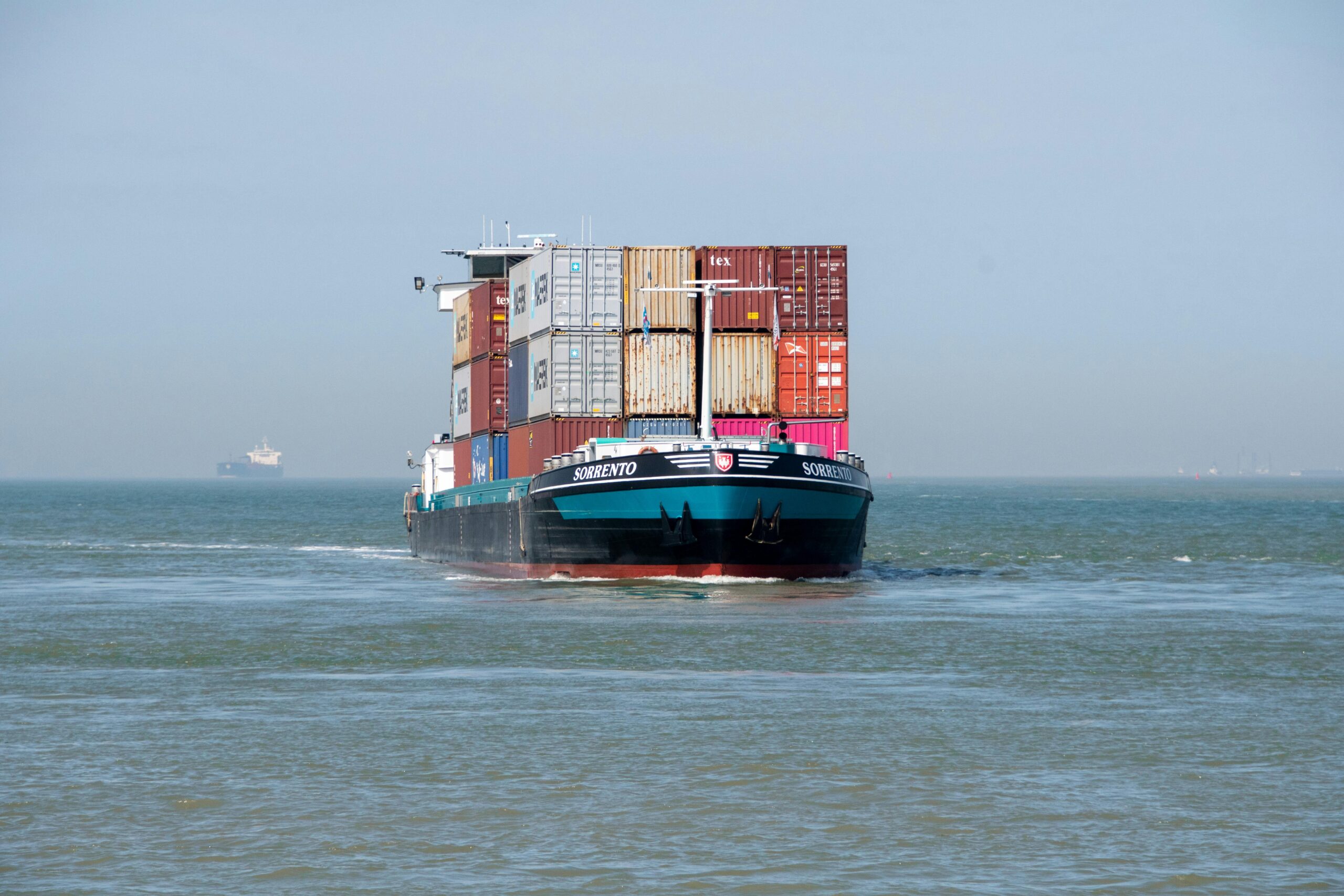
Transportation logistics has evolved significantly, incorporating eco-friendly technologies to meet environmental regulations and consumer demands for sustainability. Modern vessels and vehicles are designed with efficiency in mind, reducing fuel consumption and emissions. Consider the introduction of cutting-edge cargo ships like the Sorrento, which exemplifies innovation in this field. The Sorrento, a state-of-the-art vessel, is built for optimal efficiency and environmental sustainability. Its sleek design allows it to navigate waters while carrying an impressive stack of standardized shipping containers, embodying the principles of modern maritime logistics. Powered by advanced eco-friendly engines, it reduces emissions and adheres to the latest standards, ensuring safer and greener global trade.
The robust structure of ships like the Sorrento guarantees reliability across varying sea conditions, supporting both intercontinental and local trade routes. This integration of capacity, speed, and sustainability addresses the growing needs of the global economy. Transportation logistics isn't just about moving goods; it's about doing so responsibly. Statistics show that efficient transportation logistics can cut supply chain costs by up to 15%, while sustainable practices help companies appeal to environmentally conscious markets. As trade volumes increase, investing in such advanced solutions becomes essential for long-term success.
Future Trends in Logistics and Their Impact on Businesses
Looking ahead, logistics is poised for further transformation through automation, AI, and blockchain technologies. These innovations promise to enhance transparency and predictability in supply chains. For example, AI-driven forecasting can optimize routes in transportation logistics, avoiding congestion and reducing delivery times. Meanwhile, blockchain ensures secure documentation, preventing fraud in international shipments. Businesses adopting these trends in their logistics service strategies will gain a competitive edge. The Sorrento represents this forward-thinking approach, combining traditional maritime strengths with modern tech to handle diverse cargo needs precisely. Overall, mastering logistics— from service selection to transportation optimization—empowers companies to thrive in a dynamic marketplace, fostering growth and customer satisfaction.





