
Top Innovations in Logistics: Revolutionizing Global Supply Chains
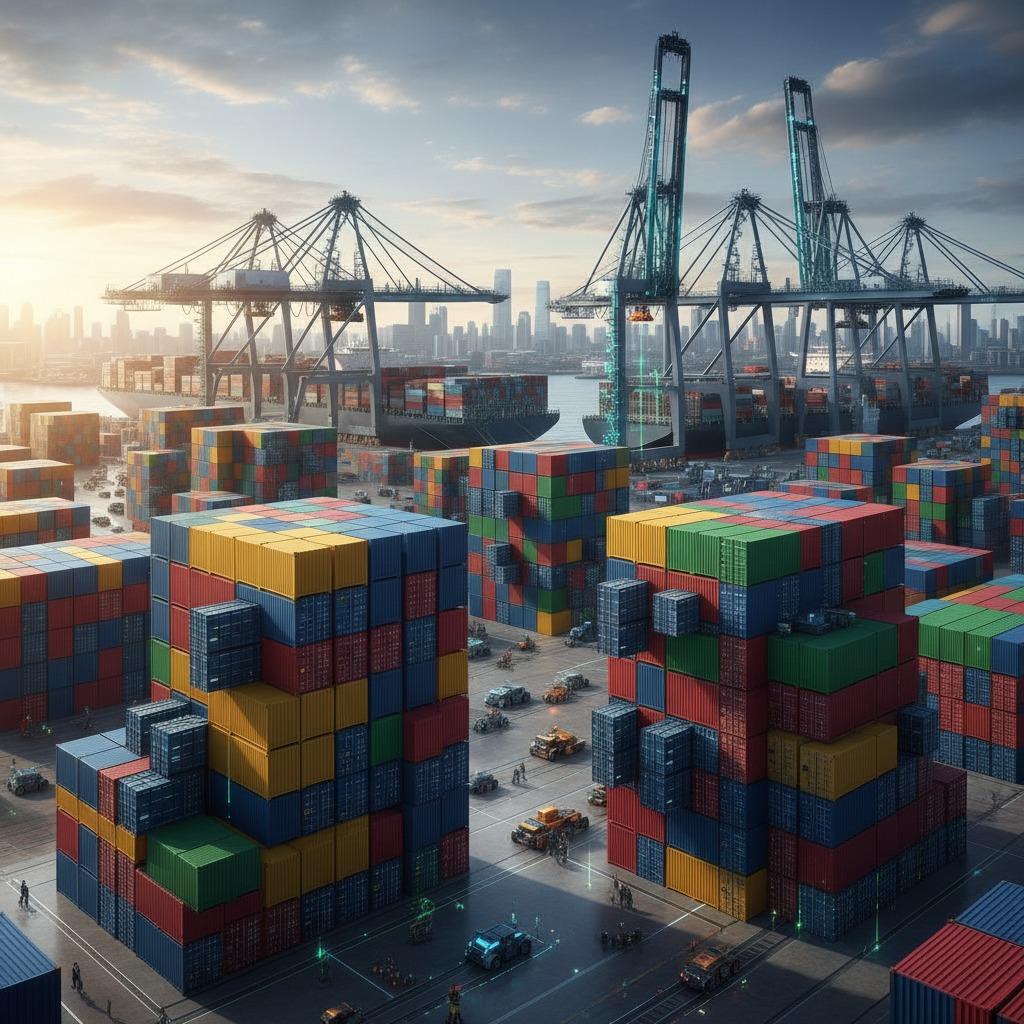
In the dynamic world of logistics, staying ahead means embracing cutting-edge solutions that streamline operations and enhance efficiency. Logistics forms the backbone of global trade, and with advancements in technology and infrastructure, the industry is evolving rapidly. From multi-purpose shipping containers to smart hubs and advanced cargo vessels, these innovations are transforming how goods move across the world. This article explores key developments that are reshaping logistics, making it more sustainable, secure, and scalable.
1. Multi-Purpose Shipping Containers: Versatile and Durable Solutions
Multi-purpose shipping containers are at the heart of modern logistics, offering robust storage and transportation options. Crafted from reinforced steel, these containers withstand harsh weather and heavy use, featuring secure locks and hinges for content safety. Available in standardized sizes, they support intermodal transport via ships, trucks, and trains, catering to urban freight or industrial needs. What sets them apart is their vibrant color palette—yellows, blues, reds, and greens—not only for branding but for easy inventory management. These containers excel in storing goods, transporting fragile items, or even repurposing into modular structures. In logistics, their versatility reduces costs and improves organization, making them indispensable for businesses handling diverse shipments.
2. Smart Logistics Hubs: Automation and Connectivity Redefined
The advent of smart logistics hubs marks a pivotal shift in supply chain management. These hubs integrate automation, AI, and intermodal connectivity to optimize global goods transportation. At their core, container terminal automation uses robotic cranes and AI scheduling to slash loading times, ensuring seamless operations. Intelligent air logistics complements this with real-time data for precise aerial routes and deliveries. Iconic infrastructure like suspension bridges symbolizes robust links to highways, rails, and maritime networks, eliminating bottlenecks. Powered by advanced software, these hubs offer cargo monitoring, predictive analytics, and full transparency. Sustainability is prioritized through renewable energy and low-carbon designs, reducing environmental impact while serving worldwide markets. For companies in logistics, such hubs mean faster, greener, and more reliable operations.
3. BlueWave CX7 Cargo Vessel: Pioneering Maritime Efficiency
Maritime logistics reaches new heights with vessels like the BlueWave CX7, designed for maximum cargo capacity and eco-innovation. This state-of-the-art ship features multi-tiered modular containers on a widened deck, capable of carrying thousands of units for global trade. Its green technologies, including hydrodynamic hulls and advanced fuel systems, significantly cut emissions, aligning with sustainable logistics practices. Navigation excellence comes from marine radar, satellite systems, and high masts for safety in any condition. Efficient tug integration ensures quick port maneuvers, minimizing downtime. The sleek blue hull with bold container colors and a prominent "C" logo enhances visual branding. Advanced safety systems like anti-collision tech make it ideal for long-haul routes. In the realm of logistics, the BlueWave CX7 exemplifies how innovation drives faster, safer, and more efficient sea transport.
4. The Role of Technology in Enhancing Logistics Sustainability
Sustainability is no longer optional in logistics; it's a necessity. Across these innovations, technology plays a crucial role in reducing the industry's carbon footprint. Multi-purpose containers can be repurposed to minimize waste, while smart hubs leverage renewable energy for operations. The BlueWave CX7's eco-friendly design sets a benchmark for maritime fleets. Predictive analytics in hubs forecast demand, optimizing routes to cut fuel use. Real-time monitoring ensures minimal delays, further lowering emissions. Businesses adopting these technologies not only comply with regulations but also appeal to eco-conscious consumers. As logistics evolves, integrating sustainability ensures long-term viability and cost savings.
5. Future Trends Shaping Logistics Worldwide
Looking ahead, logistics will continue to innovate with AI, IoT, and blockchain for even greater transparency and security. Expect more automated hubs and vessels equipped with autonomous features. Intermodal connectivity will expand, bridging gaps in global supply chains. Colored containers and branded vessels will enhance visual logistics management, aiding quick identification in busy ports. These trends promise a future where logistics is faster, smarter, and more inclusive. For enterprises, investing in these areas means staying competitive in a global market driven by efficiency and responsibility.
In summary, from durable containers to intelligent hubs and advanced ships, the innovations in logistics are redefining global trade. Embracing these solutions positions businesses for success in an interconnected world.





