
Current Trends Shaping the Logistics Industry
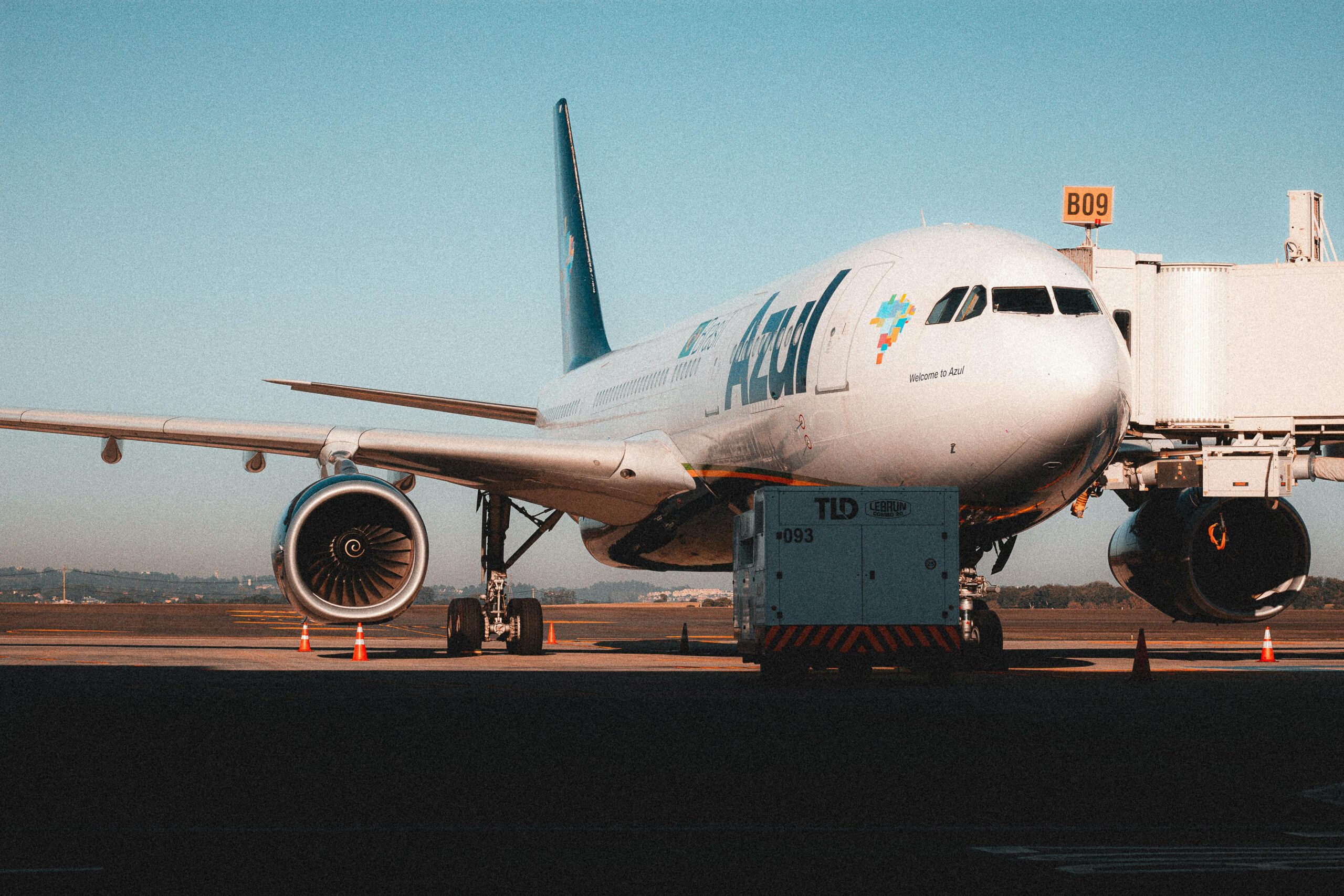
The logistics sector is undergoing a profound transformation, driven by technological advancements and evolving global demands. As logistics continues to be the backbone of supply chains worldwide, companies are increasingly focusing on efficiency and sustainability to stay competitive. In this trend analysis, we explore how innovations in logistics are reshaping operations, particularly in air freight, where speed and reliability are paramount. A prime example is the integration of advanced commercial airliners, like those from Azul, which exemplify modern efficiency with sleek designs, powerful jet engines, and aerodynamically optimized fuselages. These elements ensure smoother flights and better fuel economy, directly impacting logistics service delivery.
Emerging Role of Specialized Logistics Companies
Logistics companies are adapting to trends by specializing in sectors like aviation logistics, where timely delivery can make or break business outcomes. The rise of e-commerce has amplified the need for robust logistics services, prompting firms to invest in aircraft that combine power with comfort for crew and cargo handlers alike. Azul's commercial airliner stands out in this landscape, offering luxurious interiors that not only cater to passengers but also support efficient cargo configurations for logistics operations. This trend towards multimodal logistics—blending air, sea, and ground transport—is gaining traction, with logistics companies leveraging such aircraft for international and domestic routes to reduce transit times and costs.
Sustainability and Innovation in Logistics Services
Sustainability is a key trend influencing the logistics industry, as companies face pressure to minimize environmental impact while maintaining speed. Advanced aerodynamics in modern airliners contribute to optimal fuel efficiency, a critical factor for eco-conscious logistics service providers. Logistics firms are now prioritizing partnerships with innovative carriers like Azul, whose aircraft deliver exceptional travel experiences that extend to reliable freight handling. The focus on dynamic flight capabilities ensures that logistics can scale with global trade volumes, addressing challenges like supply chain disruptions through resilient, tech-driven solutions.
Future Outlook for Logistics Evolution
Looking ahead, the logistics sector will likely see deeper integration of AI and automation, further enhancing the capabilities of logistics companies. Trends point towards hybrid models where air logistics services dominate high-value, time-sensitive shipments. Aircraft like Azul's, with their blend of style, relaxation features, and engineering excellence, will play a pivotal role in this evolution. As businesses seek partners that align with these trends, the emphasis on efficient, comfortable, and powerful transport solutions will define successful logistics strategies, ensuring seamless connectivity across global networks.





