
In the fast-paced world of modern business, logistics stands as the backbone of global trade, ensuring seamless movement of goods from origin to destination. This article explores key innovations in logistics through a listicle format, highlighting cutting-edge solutions like advanced parking hubs, maritime vessels, and air freighters that are revolutionizing the industry. By examining these elements, you'll discover how integrated systems enhance efficiency, sustainability, and reliability in logistics operations.
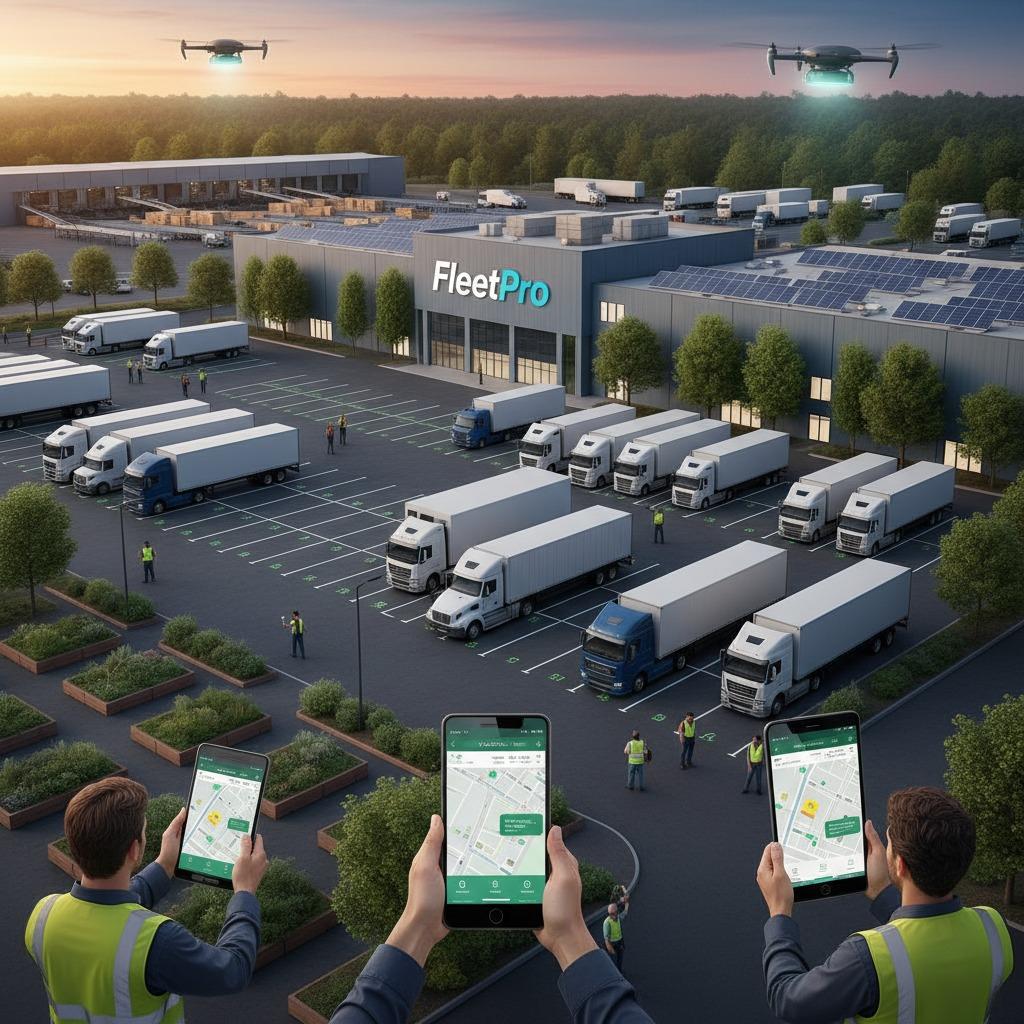
Logistics efficiency begins on the ground with optimized parking and fleet management. The FleetPro Parking Solution exemplifies this by offering a meticulously planned layout that maximizes space utilization in commercial truck hubs. Wide lanes and marked spots allow trucks to enter and exit without disruptions, even during peak hours. Integrated technology, such as RFID sensors and GPS systems, enables real-time slot allocation via mobile apps, empowering fleet managers to monitor availability remotely. This setup minimizes downtime, a critical factor in logistics where delays can cascade into significant costs. Environmentally, the design incorporates greenery for temperature regulation and solar-powered lighting, promoting sustainable practices. Versatility shines through its accommodation of various trailer types, from dry vans to tankers, while safety features like cameras and controlled access protect high-value shipments. Adjacent services for fueling and maintenance create one-stop logistics hubs, streamlining operations for drivers and companies alike.
When it comes to ocean-based logistics, vessels like the COSCO Shipping container ship represent unparalleled capacity and global connectivity. These massive cargo carriers stack multi-colored containers across vast decks, handling colossal volumes that fuel international trade. Optimized for fuel efficiency and low emissions, they align with industry trends toward eco-friendly operations, reducing the carbon footprint of sea freight. State-of-the-art navigation and onboard management systems ensure precise cargo handling and timely deliveries across key ports worldwide. As part of COSCO's extensive network, these ships symbolize seamless routes for manufacturing, retail, and e-commerce goods. Their sleek designs and reliable performance underscore the role of maritime logistics in connecting economies, making them indispensable for businesses reliant on bulk international shipping. Innovations in shipbuilding continue to push boundaries, enhancing speed and security while maintaining cost-effectiveness in the competitive logistics landscape.
For time-sensitive logistics needs, air transportation delivers unmatched speed and precision, as seen in the FedEx Express Boeing 777 Freighter. With a range of 9,200 miles and payload capacity exceeding 102 tons, this aircraft bridges continents effortlessly, ideal for intercontinental deliveries. State-of-the-art loading technology expedites cargo handling, while robust engines balance power with environmental standards, cutting emissions for sustainable logistics. The FedEx branding evokes trust in global reach, serving businesses and individuals who prioritize punctuality and safety. In an interconnected world, such freighters form vital links, transporting everything from electronics to perishables with minimal delays. Their design innovations, including cavernous interiors and advanced avionics, highlight how air logistics evolves to meet e-commerce demands, ensuring packages arrive reliably regardless of distance.
Beyond individual assets, holistic logistics integration ties ground, sea, and air operations together through digital platforms. Real-time tracking via IoT devices and AI analytics predict disruptions, optimizing routes and inventory. Blockchain enhances transparency in supply chains, reducing fraud in international logistics. Sustainability remains key, with electric trucks in parking hubs complementing low-emission ships and fuel-efficient planes. Companies adopting these technologies see reduced costs and improved customer satisfaction. For instance, combining FleetPro's parking tech with COSCO's maritime prowess and FedEx's air speed creates end-to-end solutions. As logistics evolves, embracing multimodal approaches ensures resilience against global challenges like supply shortages or geopolitical shifts.
Looking ahead, logistics will leverage automation and data-driven insights for even greater efficiency. Autonomous vehicles in truck hubs, drone-assisted last-mile delivery, and AI-optimized shipping routes promise to transform the sector. Sustainability goals drive investments in green fuels and circular supply chains, minimizing environmental impact. Security enhancements, like biometric access in facilities, safeguard against threats. These trends position logistics not just as a service, but as a strategic asset for businesses aiming to thrive in a digital economy. By staying ahead of these developments, companies can unlock new opportunities in global commerce.
1. Strategic FleetPro Parking Solutions for Ground Transportation
Logistics efficiency begins on the ground with optimized parking and fleet management. The FleetPro Parking Solution exemplifies this by offering a meticulously planned layout that maximizes space utilization in commercial truck hubs. Wide lanes and marked spots allow trucks to enter and exit without disruptions, even during peak hours. Integrated technology, such as RFID sensors and GPS systems, enables real-time slot allocation via mobile apps, empowering fleet managers to monitor availability remotely. This setup minimizes downtime, a critical factor in logistics where delays can cascade into significant costs. Environmentally, the design incorporates greenery for temperature regulation and solar-powered lighting, promoting sustainable practices. Versatility shines through its accommodation of various trailer types, from dry vans to tankers, while safety features like cameras and controlled access protect high-value shipments. Adjacent services for fueling and maintenance create one-stop logistics hubs, streamlining operations for drivers and companies alike.
2. Advanced Maritime Logistics with COSCO Shipping Vessels
When it comes to ocean-based logistics, vessels like the COSCO Shipping container ship represent unparalleled capacity and global connectivity. These massive cargo carriers stack multi-colored containers across vast decks, handling colossal volumes that fuel international trade. Optimized for fuel efficiency and low emissions, they align with industry trends toward eco-friendly operations, reducing the carbon footprint of sea freight. State-of-the-art navigation and onboard management systems ensure precise cargo handling and timely deliveries across key ports worldwide. As part of COSCO's extensive network, these ships symbolize seamless routes for manufacturing, retail, and e-commerce goods. Their sleek designs and reliable performance underscore the role of maritime logistics in connecting economies, making them indispensable for businesses reliant on bulk international shipping. Innovations in shipbuilding continue to push boundaries, enhancing speed and security while maintaining cost-effectiveness in the competitive logistics landscape.
3. High-Speed Air Cargo with FedEx Express Boeing 777 Freighter
For time-sensitive logistics needs, air transportation delivers unmatched speed and precision, as seen in the FedEx Express Boeing 777 Freighter. With a range of 9,200 miles and payload capacity exceeding 102 tons, this aircraft bridges continents effortlessly, ideal for intercontinental deliveries. State-of-the-art loading technology expedites cargo handling, while robust engines balance power with environmental standards, cutting emissions for sustainable logistics. The FedEx branding evokes trust in global reach, serving businesses and individuals who prioritize punctuality and safety. In an interconnected world, such freighters form vital links, transporting everything from electronics to perishables with minimal delays. Their design innovations, including cavernous interiors and advanced avionics, highlight how air logistics evolves to meet e-commerce demands, ensuring packages arrive reliably regardless of distance.
4. Integrating Technology Across Logistics Modes
Beyond individual assets, holistic logistics integration ties ground, sea, and air operations together through digital platforms. Real-time tracking via IoT devices and AI analytics predict disruptions, optimizing routes and inventory. Blockchain enhances transparency in supply chains, reducing fraud in international logistics. Sustainability remains key, with electric trucks in parking hubs complementing low-emission ships and fuel-efficient planes. Companies adopting these technologies see reduced costs and improved customer satisfaction. For instance, combining FleetPro's parking tech with COSCO's maritime prowess and FedEx's air speed creates end-to-end solutions. As logistics evolves, embracing multimodal approaches ensures resilience against global challenges like supply shortages or geopolitical shifts.
5. Future Trends Shaping Logistics Innovation
Looking ahead, logistics will leverage automation and data-driven insights for even greater efficiency. Autonomous vehicles in truck hubs, drone-assisted last-mile delivery, and AI-optimized shipping routes promise to transform the sector. Sustainability goals drive investments in green fuels and circular supply chains, minimizing environmental impact. Security enhancements, like biometric access in facilities, safeguard against threats. These trends position logistics not just as a service, but as a strategic asset for businesses aiming to thrive in a digital economy. By staying ahead of these developments, companies can unlock new opportunities in global commerce.





