
Understanding the Fundamentals of Logistics
Logistics forms the backbone of modern supply chains, ensuring that goods move efficiently from origin to destination. In essence, logistics encompasses the planning, execution, and control of the movement and storage of goods, services, and related information. This critical field addresses everything from inventory management to transportation coordination, playing a pivotal role in industries such as aviation, manufacturing, and retail. Effective logistics minimizes costs, reduces delays, and enhances customer satisfaction by optimizing resource allocation. For instance, in airport operations, logistics integrates ground support systems to streamline aircraft handling, fueling, and cargo loading, demonstrating how this discipline directly impacts operational efficiency.
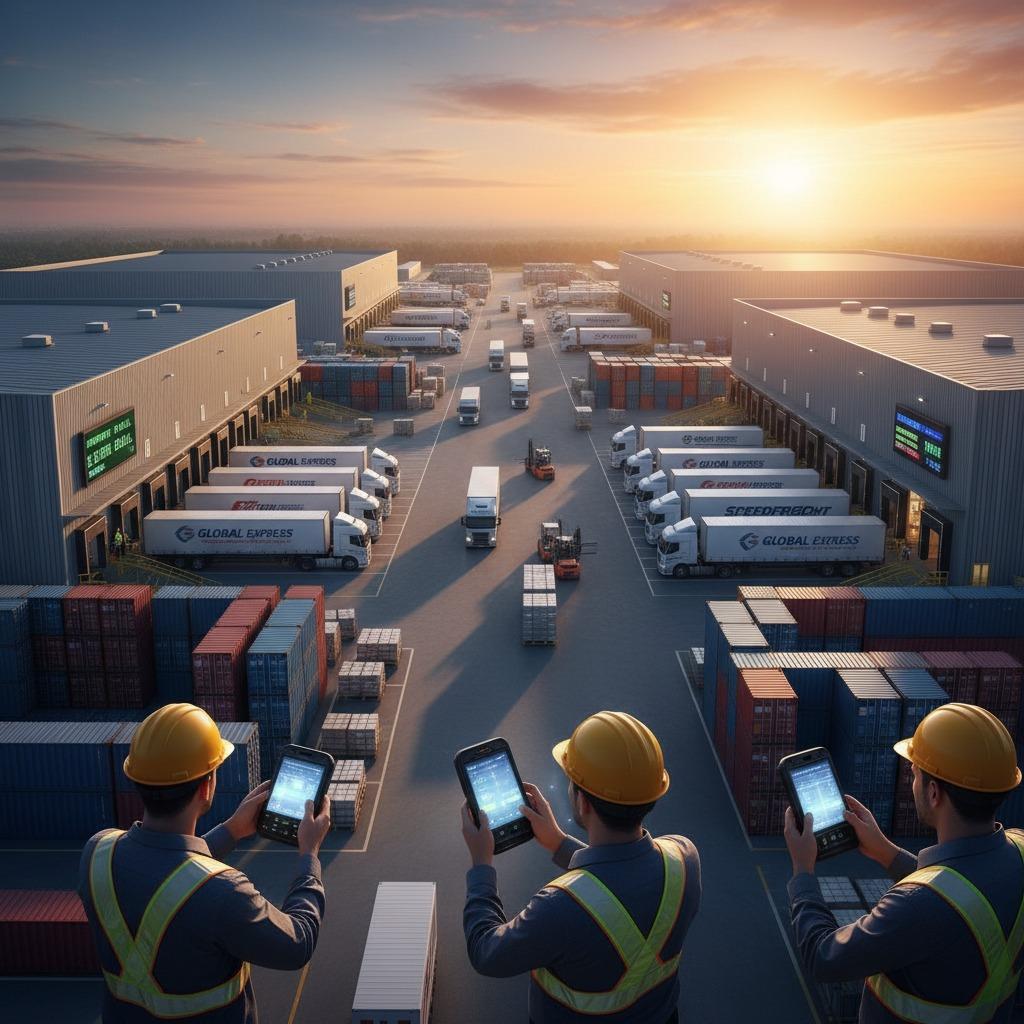
Key Components Driving Efficient Logistics
At its core, logistics relies on several interconnected components that work together to create seamless operations. Transportation is a primary element, involving various modes like air, road, and sea to transport goods reliably. Warehousing and inventory control ensure that products are stored securely and tracked accurately, preventing shortages or overstocking. Information technology, including GPS-enabled fleet management systems, provides real-time visibility into shipments, allowing for proactive adjustments. In the context of airport logistics, advanced ground equipment such as aircraft pushback vehicles and cargo conveyors exemplify these components. These tools, often featuring ergonomic designs and energy-efficient engines, reduce turnaround times while adhering to safety standards. Moreover, smart coordination tools like vehicle fleet management systems enable precise synchronization between towing trucks and baggage carriers, highlighting the technological edge in contemporary logistics practices.
Innovations Transforming the Logistics Landscape
Recent advancements are revolutionizing logistics, making it more sustainable and responsive to global demands. Eco-friendly designs in transportation vehicles, such as hybrid engines in heavy-duty container trucks, significantly lower carbon emissions without sacrificing performance. Aerodynamic builds and innovative cargo trailers facilitate faster loading and unloading, compatible with standard containers for versatile applications. In aviation, next-generation aircraft with streamlined fuselages and high-performance engines optimize fuel economy and passenger comfort, indirectly supporting ground logistics by improving overall flight efficiency. Safety remains paramount, with features like high-visibility apparel for staff and collision avoidance systems in trucks ensuring secure operations. Modular integration across systems—from luggage handling to aircraft maintenance—maximizes productivity and compliance with international regulations. These innovations not only address environmental concerns but also cater to businesses pursuing green initiatives, proving that logistics can evolve to meet future challenges.
The Role of Logistics in Global Supply Chains
Logistics extends beyond local operations to influence global supply chains, where reliability and adaptability are key to success. High-powered engines in container trucks enable long-distance hauls with minimal downtime, supporting cross-country and regional distribution. In airports, the harmony between ground support and air operations ensures that flights depart on schedule, benefiting international trade. Statistics show that efficient logistics can reduce supply chain costs by up to 15%, according to industry reports from organizations like the International Air Transport Association. By focusing on durability, such as high-strength materials in vehicles that withstand harsh conditions, logistics professionals mitigate risks associated with weather and terrain. As businesses adopt cleaner technologies, logistics continues to align with sustainability goals, fostering a greener global economy. Ultimately, mastering logistics empowers companies to thrive in a competitive, interconnected world.
Future Trends in Logistics Optimization
Looking ahead, logistics is poised for further transformation through emerging technologies like automation and artificial intelligence. Autonomous vehicles and AI-driven predictive analytics will enhance route optimization and demand forecasting, further streamlining processes. In airport settings, integrated systems for real-time coordination promise even shorter turnaround times, while passenger aircraft innovations ensure smoother integrations with ground logistics. The emphasis on sustainability will drive adoption of alternative fuels and energy-efficient designs across fleets. For heavy-duty transport, features like lane-keeping assist will become standard, bolstering safety and efficiency. By embracing these trends, logistics will not only meet current demands but also anticipate future needs, ensuring resilience in an ever-changing landscape.





