
Understanding the Basics of Modern Logistics
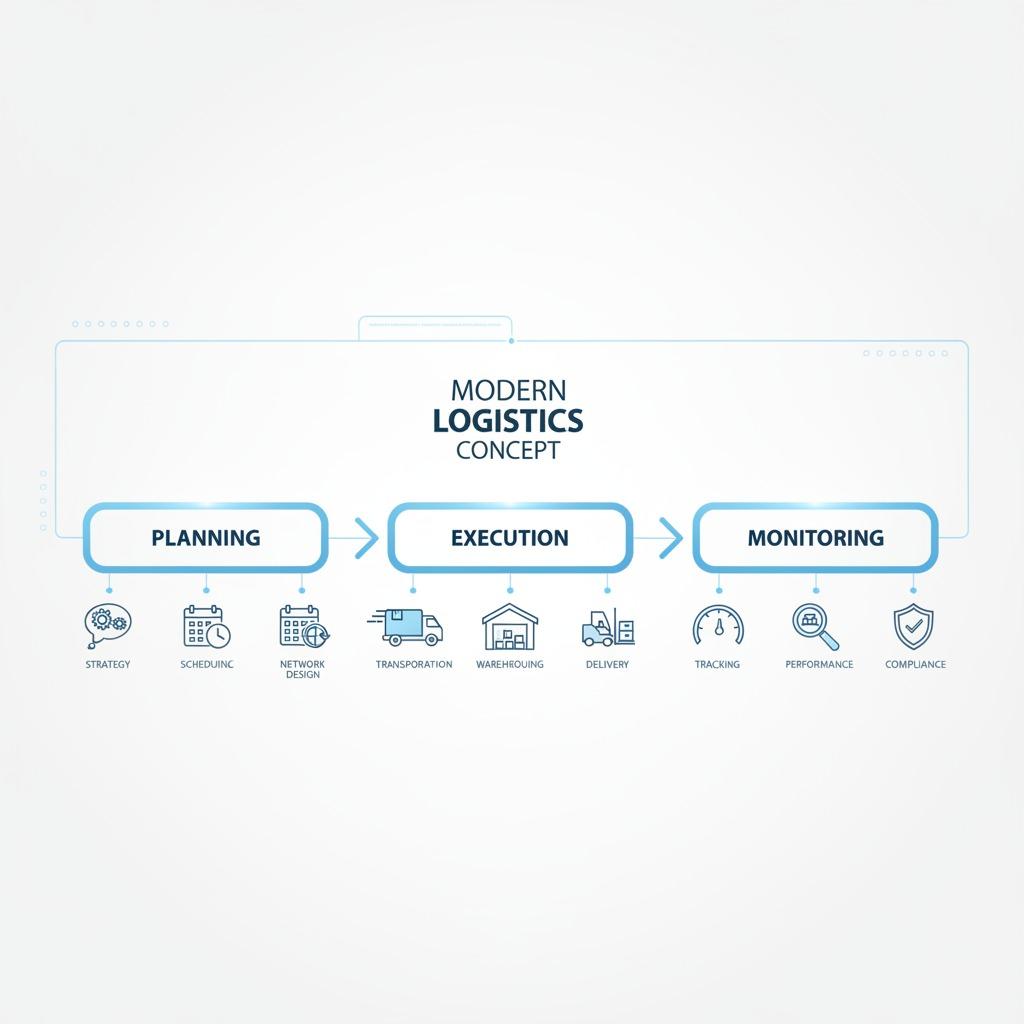
Logistics forms the backbone of global trade, ensuring that goods move efficiently from origin to destination. At Global Logistics Inc., we specialize in innovative solutions that streamline this process, making logistics not just a necessity but a competitive advantage. Whether you're managing supply chains for pharmaceuticals or electronics, mastering logistics begins with a clear understanding of its core components: planning, execution, and monitoring.
Step 1: Assessing Your Logistics Needs
The first step in optimizing logistics is to evaluate your specific requirements. Start by mapping out your supply chain—identify key points like sourcing, warehousing, and distribution. Consider factors such as cargo volume, transit times, and regulatory compliance. For instance, if you're dealing with perishables, prioritize temperature-controlled options. Tools like inventory audits and demand forecasting software can help pinpoint bottlenecks. At Global Logistics Inc., our smart logistics container system uses IoT sensors to provide real-time data on these elements, ensuring you make informed decisions from the outset.
Step 2: Implementing Efficient Packaging and Container Solutions
Once needs are assessed, focus on packaging and containers that maximize efficiency. Choose durable, standardized boxes that optimize space and protect goods during transit. Incorporate features like tamper-proof seals and shock resistance to enhance security. Our NeoCargo X-Fleet exemplifies this by integrating modular containers with AI-driven tracking, allowing for seamless loading via automated drones. Test different configurations to ensure compatibility with multi-modal transport—road, sea, or air. This step reduces waste and speeds up operations, aligning with eco-friendly standards through sustainable materials that lower your carbon footprint.
Step 3: Leveraging Technology for Real-Time Tracking
Technology transforms logistics from reactive to proactive. Integrate digital monitoring systems, such as mobile apps or dashboards, for live updates on location, humidity, and delivery timelines. Equip your team with tablets for on-the-ground oversight, just as our logistics professionals do. Set up alerts for anomalies to maintain accountability. The NeoCargo X-Fleet takes this further with solar-powered systems and jet propulsion for faster, greener voyages. Begin with pilot programs to train staff, then scale across your operations. This ensures reliability and transparency, critical for global reach.
Step 4: Ensuring Safety and Compliance in Logistics
Safety is non-negotiable in logistics. Adhere to international standards by using protective gear, sturdy pallets, and fortified containers. Conduct regular audits to verify compliance with environmental and security regulations. Our solutions at Global Logistics Inc. include enhanced security measures and ergonomic designs that reduce handling risks, minimizing labor-intensive processes. Partner with certified providers to handle customs and insurance. By prioritizing these, you mitigate disruptions and build trust with stakeholders.
Step 5: Optimizing Multi-Modal Transportation and Last-Mile Delivery
To achieve end-to-end efficiency, adopt a multi-modal approach combining trucks, ships, and drones. Plan routes that leverage bustling ports and optimized container usage for maximum capacity. For last-mile delivery, integrate automated systems to cut down on delays. The NeoCargo X-Fleet's drone integration revolutionizes this, enabling rapid unloading without traditional port dependency. Monitor performance metrics like delivery speed and cost per shipment, adjusting as needed. This holistic strategy scales your operations, supporting import/export and distribution with precision.
Scaling Logistics with Global Logistics Inc.
Finally, scale your logistics by choosing partners like Global Logistics Inc., where innovation meets reliability. Our cutting-edge offerings, from smart containers to sustainable vessels, empower businesses to streamline global operations. By following these steps, you'll enhance speed, reduce costs, and drive sustainability. Embrace logistics as a strategic tool to propel your trade forward in an interconnected world.





