
Understanding the Essentials of Logistics
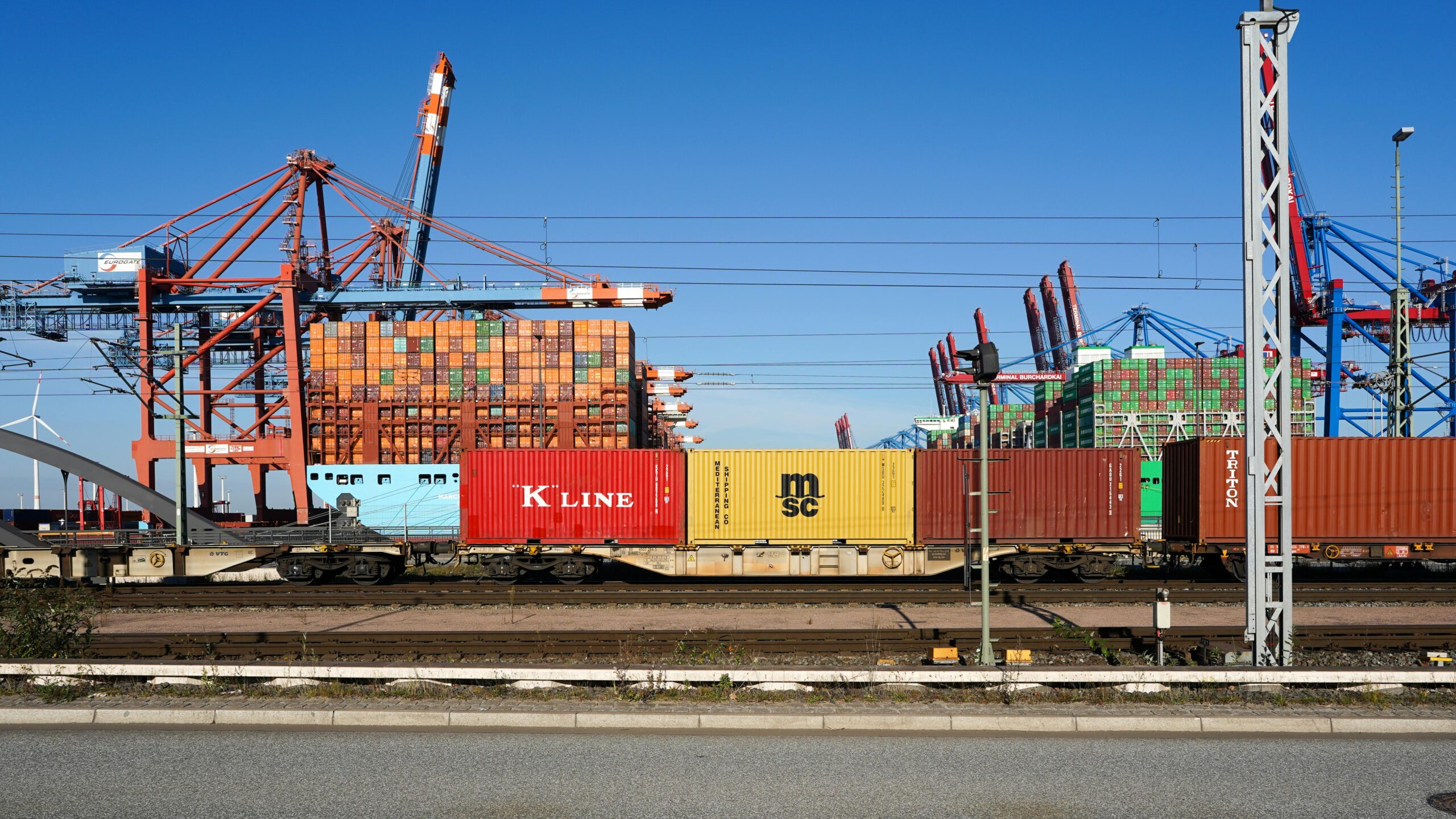
In the fast-paced world of global trade, logistics stands as the backbone of efficient supply chain management. Logistics encompasses the planning, execution, and control of the movement and storage of goods, services, and information from origin to consumption. This critical process ensures that products reach their destinations on time and in optimal condition, driving economic growth and customer satisfaction. As businesses expand internationally, mastering logistics becomes essential for staying competitive in a dynamic market.
The Role of Air Freight Logistics in Modern Commerce
Air freight logistics represents a vital segment of the broader logistics framework, offering speed and reliability for time-sensitive shipments. Unlike traditional sea or rail methods, air freight logistics allows for rapid transportation across continents, making it ideal for perishable goods, high-value items, and urgent deliveries. According to industry reports, air cargo accounts for about 35% of global trade value, despite comprising only 0.5% of total volume, highlighting its efficiency in high-priority scenarios. Companies leveraging air freight logistics can reduce lead times significantly, enhancing responsiveness to market demands and minimizing inventory holding costs.
Enhancing Operations with Comprehensive Logistics Services
A robust logistics service integrates multiple transportation modes to create seamless operations. Logistics service providers coordinate everything from warehousing and inventory management to last-mile delivery, ensuring end-to-end visibility through advanced tracking technologies. In today's interconnected economy, a well-structured logistics service can cut costs by up to 15% while improving sustainability through optimized routes and eco-friendly practices. For instance, combining air, rail, and maritime transport— as seen in bustling port environments with vibrant containers from lines like K Line, MSC, and Triton—streamlines global supply chains. This integration not only boosts efficiency but also supports economic connectivity by bridging continents with reliable, innovative solutions.
Future Trends Shaping Logistics and Innovation
Looking ahead, logistics is evolving with technological advancements like AI-driven forecasting, blockchain for transparency, and automated warehouses. Air freight logistics is particularly benefiting from drone deliveries and electric aircraft, promising greener and faster operations. Similarly, logistics services are incorporating IoT devices for real-time monitoring, reducing errors and enhancing security. In port settings, state-of-the-art cranes handle diverse shipments efficiently, juxtaposed against the energetic pulse of commerce under azure skies. These developments underscore a commitment to sustainability and excellence, ensuring that logistics not only meets current demands but anticipates future challenges. Businesses adopting these trends will position themselves as leaders in a globalized world, delivering unparalleled value to stakeholders.





