
FAQs on Logistics: Unlocking Efficient Global Trade
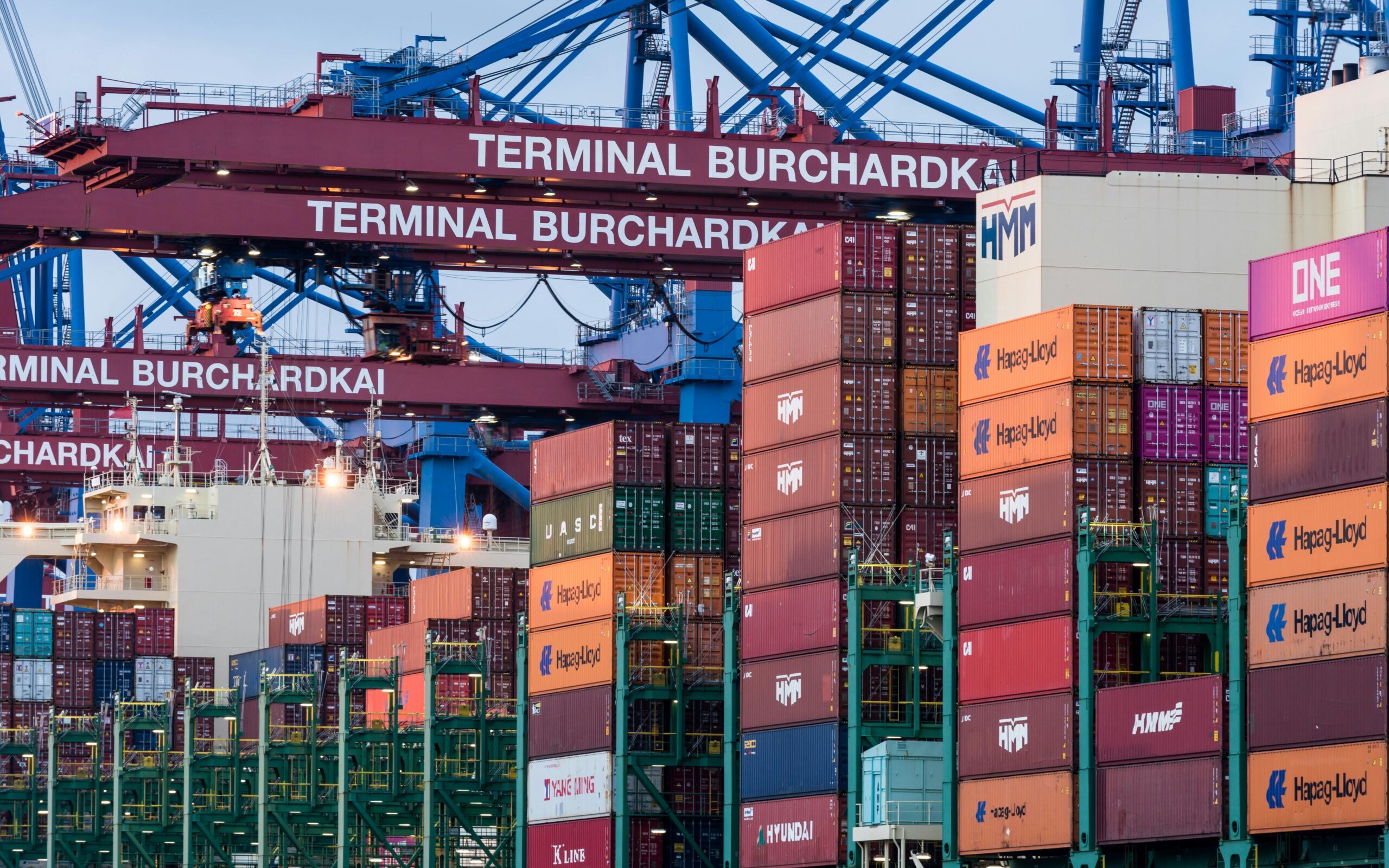
In the fast-paced world of global commerce, logistics stands as the backbone that ensures goods move seamlessly from origin to destination. Whether you're a business owner shipping products overseas or a consumer curious about supply chains, understanding logistics is key to appreciating how modern trade thrives. This FAQ guide addresses common questions about logistics, with a spotlight on innovations like those at Terminal Burchardkai, a state-of-the-art facility revolutionizing maritime operations.
What is Logistics and Why Does It Matter?
Logistics refers to the detailed planning, implementation, and control of the movement and storage of goods, services, and information from point of origin to point of consumption. It's more than just transportation; it encompasses inventory management, warehousing, and order fulfillment to minimize costs and maximize efficiency. In today's interconnected economy, effective logistics ensures timely deliveries, reduces waste, and supports sustainable practices. For instance, high-capacity container handling at facilities like Terminal Burchardkai allows for the seamless management of international imports and exports, handling vessels from major lines like HMM and Hapag-Lloyd. This not only boosts trade volumes but also cuts down on delays, making logistics indispensable for businesses aiming to stay competitive.
How Does International Logistics Differ from Domestic Operations?
International logistics involves the coordination of shipments across borders, dealing with complexities like customs regulations, varying tariffs, and diverse transportation modes such as sea, air, and rail. Unlike domestic logistics, which focuses on shorter distances and fewer regulatory hurdles, international logistics requires robust planning to navigate geopolitical factors and currency fluctuations. A prime example is the strategic positioning of hubs like Terminal Burchardkai, which serves as a pivotal gateway connecting continents. With automated gantry cranes and advanced digital tracking, this terminal optimizes space and speeds up processing for ultra-large vessels, ensuring goods reach global markets faster. Businesses often rely on specialized international logistics providers to handle documentation and compliance, reducing risks and enhancing reliability in cross-border trade.
What Makes a Top-Tier Logistics Service Stand Out?
A superior logistics service combines cutting-edge technology, sustainability, and customer-centric approaches to deliver unparalleled efficiency. Key features include real-time visibility through IoT-enabled tracking, scalable storage solutions, and eco-focused designs that lower carbon footprints. At Terminal Burchardkai, for example, the integration of robotics in crane operations and meticulous container organization exemplifies these qualities, minimizing turnaround times while promoting green maritime practices. Reliability is another hallmark—top services offer end-to-end solutions, from pickup to final delivery, with contingency plans for disruptions like weather or port congestion. For companies, choosing a logistics service that aligns with their needs can lead to cost savings of up to 20-30% and improved customer satisfaction. Moreover, in the era of e-commerce, agile logistics services adapt to fluctuating demands, ensuring just-in-time inventory that keeps supply chains resilient.
How Can Businesses Optimize Their Logistics for the Future?
Optimizing logistics starts with embracing automation and data analytics to forecast demand and streamline routes. Businesses should partner with facilities that prioritize scalability, like those featuring advanced storage racks for quick retrieval. Sustainability is also crucial; opting for low-emission operations, as seen in eco-friendly terminals, helps meet regulatory standards and appeals to environmentally conscious consumers. To future-proof their operations, companies can invest in AI-driven tools for predictive maintenance and route optimization, reducing fuel consumption and errors. Training staff on international logistics nuances ensures smoother handling of global shipments. Ultimately, by focusing on efficiency and innovation, businesses can transform logistics from a cost center into a strategic advantage, fostering growth in a competitive marketplace.
Common Challenges in Logistics and How to Overcome Them
Logistics faces hurdles like supply chain disruptions, rising fuel costs, and labor shortages, but proactive strategies can mitigate these. Diversifying suppliers and routes builds resilience against events like pandemics or trade wars. Implementing robust logistics service providers with contingency protocols ensures continuity. For international logistics, staying updated on trade agreements and using blockchain for transparent documentation combats fraud and delays. Facilities like Terminal Burchardkai demonstrate how infrastructure investments—such as automated systems—alleviate bottlenecks, handling diverse cargo with precision. By conducting regular audits and leveraging software for real-time monitoring, businesses can address inefficiencies head-on, turning potential setbacks into opportunities for refinement.
This exploration of logistics highlights its vital role in global connectivity, with innovations driving the industry forward. Whether delving into international logistics or selecting the right logistics service, informed decisions pave the way for success.





