
Understanding the Essentials of Logistics
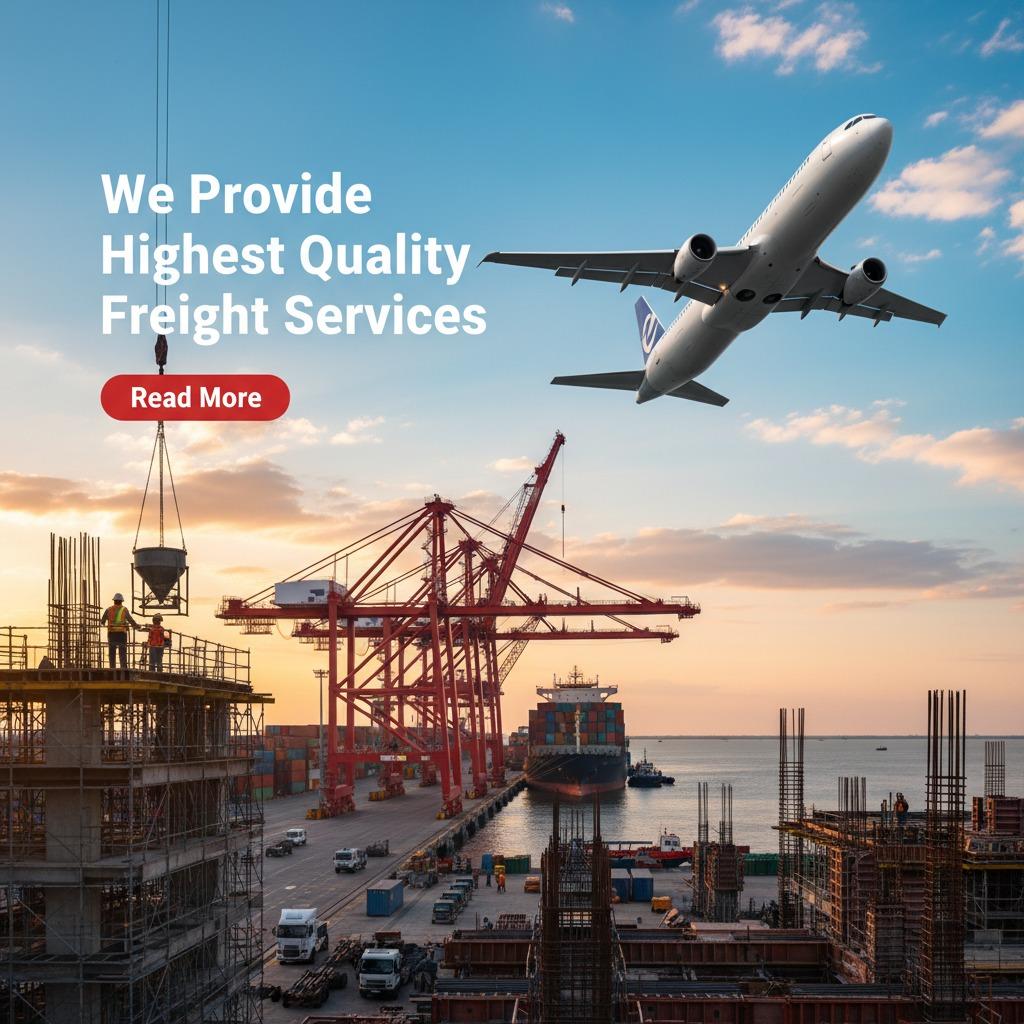
Logistics forms the backbone of modern supply chains, ensuring that goods move efficiently from production to consumption. In an increasingly globalized economy, effective logistics is crucial for businesses aiming to stay competitive. This article explores the intricacies of logistics, drawing insights from advanced systems like smart container terminals, concrete lift mixers, and air freight services that exemplify innovation in this field. By examining these elements, we uncover how logistics drives efficiency, reduces costs, and supports sustainable practices.
At its core, logistics involves planning, implementing, and controlling the flow of goods, services, and information. High-capacity vessel berthing and intelligent container transfer, as seen in next-generation port solutions, highlight how logistics optimizes throughput. For instance, iconic ship-to-shore gantry cranes enable rapid loading and unloading of ultra-large vessels, minimizing downtime and enhancing asset utilization. These systems not only handle dense container traffic but also integrate yard connectivity for seamless operations, demonstrating logistics' role in global trade.
Innovations in Construction and Maritime Logistics
Beyond ports, logistics extends to specialized sectors like construction, where tools such as the groundbreaking Concrete Lift Mixer revolutionize material handling. This equipment features an advanced hoist system that lifts prepared concrete efficiently, reducing manual labor and streamlining processes on high-rise projects. Its sturdy framework ensures reliable operation, integrating with scaffolding for safe elevation of materials. By prioritizing safety through enhanced load distribution, this innovation minimizes risks and cuts maintenance costs, showcasing how logistics principles apply to on-site efficiency.
In maritime contexts, a multi-berth configuration allows parallel vessel operations, reducing wait times and supporting high-volume, fast-turnaround logistics. The design's industrial elegance—vivid red frames against calm waters—symbolizes forward-looking infrastructure suited for import-export gateways and transshipment hubs. Broad apron areas facilitate minimal congestion for terminal vehicles, laying the groundwork for automation and smart dispatching. This versatility extends to handling various vessels, from massive container ships to support boats, underscoring logistics' adaptability in marine services and waterfront activities.
The Speed of Air Freight in Modern Logistics
Air freight services represent the pinnacle of speed within logistics, offering reliable global transportation for time-sensitive cargo. Modern fleets equipped for diverse sizes ensure utmost care, with real-time tracking and streamlined operations providing peace of mind. Whether for commercial products or urgent materials, these solutions keep businesses ahead in competitive markets, emphasizing logistics' role in rapid delivery.
Logistics' ecosystem value lies in its integration: from scalable waterfront infrastructure to efficient yard connectivity, and from safe construction tools to swift air transport. Statistics show that optimized logistics can reduce supply chain costs by up to 15%, according to industry reports from organizations like the International Maritime Organization. Insights from these innovations reveal a future where logistics is not just functional but transformative—bold, precise, and sustainable. As global trade grows, mastering logistics ensures resilience and growth, making it an indispensable element for any forward-thinking enterprise.
In essence, logistics encompasses a spectrum of technologies and strategies that propel economic activity. By leveraging high-efficiency deepwater terminals, durable construction aids, and premium air services, companies can achieve unparalleled productivity. This holistic approach not only meets current demands but anticipates future challenges, solidifying logistics as the engine of progress.





