
Understanding Logistics in Modern Global Trade
Logistics forms the backbone of global trade, ensuring that goods move efficiently from producers to consumers across vast distances. In today's interconnected world, effective logistics solutions are essential for businesses to thrive, minimizing delays and maximizing cost savings. This article explores the intricacies of logistics, highlighting key transportation modes that drive the industry forward. From sea to road and air, advancements in logistics have revolutionized how we transport everything from raw materials to finished products.
The Role of Maritime Logistics with Maersk Line Container Ships
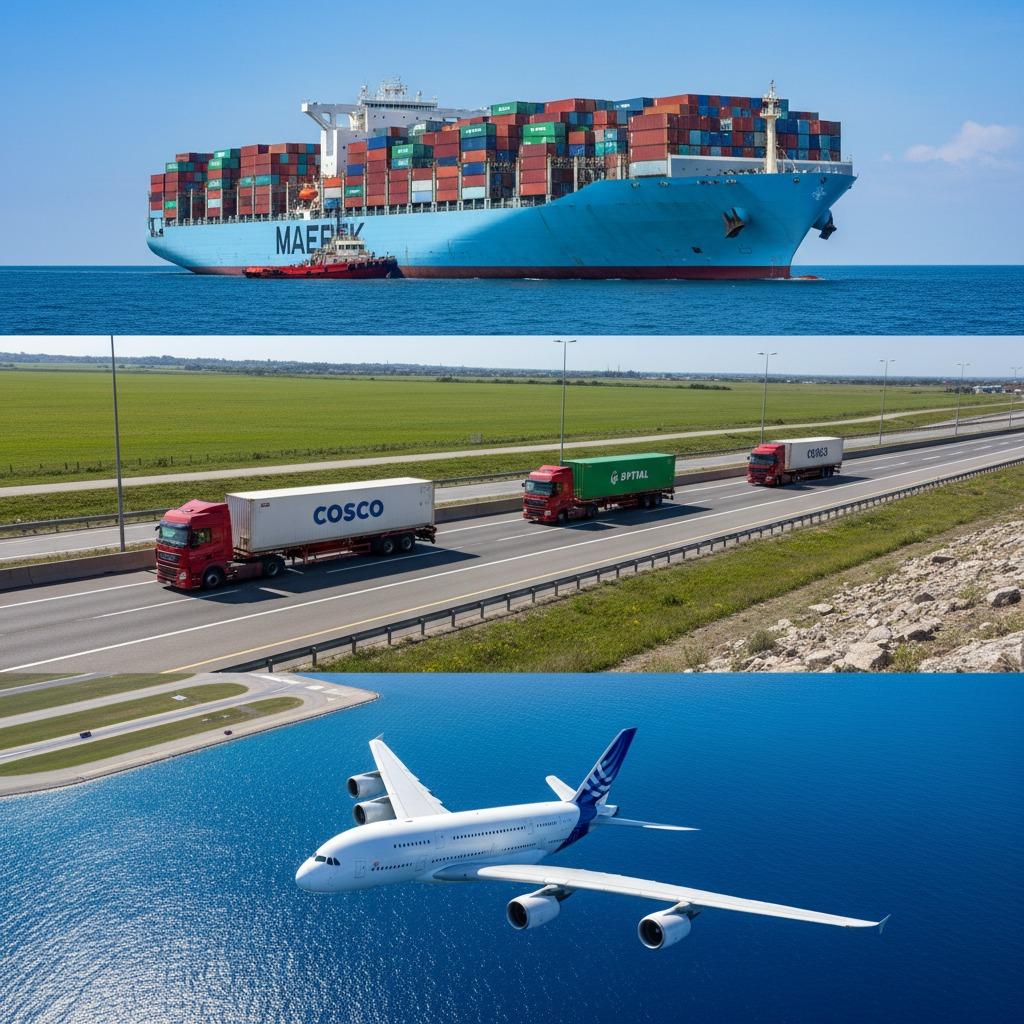
Maritime logistics remains a cornerstone of international shipping, with vessels like the Maersk Line container ship exemplifying cutting-edge efficiency. These colossal ships are engineered to carry thousands of intermodal containers, optimizing space and fuel consumption for transoceanic voyages. The Maersk container ship's blue hull and powerful engines enable it to navigate major trade routes reliably, transporting electronics, clothing, and industrial goods while adhering to eco-friendly standards. In logistics, such ships reduce carbon footprints through advanced propulsion systems, supporting sustainable practices that align with global environmental goals. Statistics from the International Maritime Organization indicate that container ships handle over 90% of world trade by volume, underscoring their pivotal role in logistics networks. By streamlining port operations and integrating digital tracking, these vessels enhance supply chain visibility, allowing companies to forecast and respond to market demands swiftly.
Revolutionizing Ground Logistics with Commercial Transport Trucks
On land, commercial transport trucks are indispensable for logistics, bridging the gap between ports, warehouses, and final destinations. Our state-of-the-art fleet of trucks is designed for superior performance, featuring durable construction that withstands harsh conditions and advanced aerodynamics for fuel efficiency. High-capacity containers allow these vehicles to haul large volumes in fewer trips, directly impacting logistics costs and timelines. Safety systems like collision detection and lane assist ensure secure operations, while eco-friendly engine options comply with emissions regulations, promoting greener logistics. Industry data shows that road transport accounts for about 70% of inland freight in many economies, making reliable trucks vital for just-in-time delivery models. These trucks integrate GPS and IoT technologies for real-time monitoring, enabling logistics managers to optimize routes and reduce idle times, ultimately boosting overall supply chain productivity.
Aerial Logistics: The Airbus A380's Contribution to Air Freight
Air logistics offers unparalleled speed for high-value and time-sensitive goods, with aircraft like the Airbus A380 setting benchmarks in capacity and efficiency. Though primarily known for passenger service, its design supports substantial cargo holds, making it a flexible asset in logistics for oversized shipments. The A380's four-engine configuration and aerodynamic fuselage allow it to cruise efficiently at high altitudes, covering continents in hours rather than days. Advanced avionics ensure precise navigation and fuel optimization, critical for minimizing logistics expenses in volatile markets. According to the International Air Transport Association, air cargo represents 35% of global trade value despite only 0.5% of volume, highlighting its premium role in logistics. For perishable items like pharmaceuticals or fresh produce, the A380's reliability facilitates rapid global distribution, supported by climate-controlled compartments that maintain product integrity.
Integrating Modes for Comprehensive Logistics Strategies
Effective logistics demands seamless integration of sea, road, and air transport to create resilient supply chains. Multimodal logistics approaches, where Maersk ships deliver to ports, trucks handle inland distribution, and aircraft manage urgent shipments, exemplify this synergy. Digital platforms now enable end-to-end tracking, predictive analytics, and automated inventory management, reducing errors and enhancing transparency. Challenges like geopolitical tensions or natural disasters underscore the need for diversified logistics routes, with data from logistics firms showing that adaptable strategies can cut downtime by up to 40%. As e-commerce surges, logistics innovation continues to evolve, incorporating AI for demand forecasting and blockchain for secure transactions. Ultimately, mastering logistics not only drives economic growth but also fosters sustainable practices, ensuring that global trade remains efficient and inclusive for future generations.





