
What is Logistics and Why is it Essential in Modern Supply Chains?
Logistics forms the backbone of global trade and efficient movement of goods, encompassing the planning, execution, and control of transportation and storage. It ensures that products reach their destinations seamlessly, whether by air, sea, or land. In today's interconnected world, effective logistics minimizes delays, reduces costs, and enhances customer satisfaction. For businesses relying on heavy transport aircraft from the China Air Force or massive container vessels like those from Maersk Line, logistics represents a strategic advantage in national defense and international commerce.
How Do Heavy Transport Aircraft Contribute to Logistics Operations?
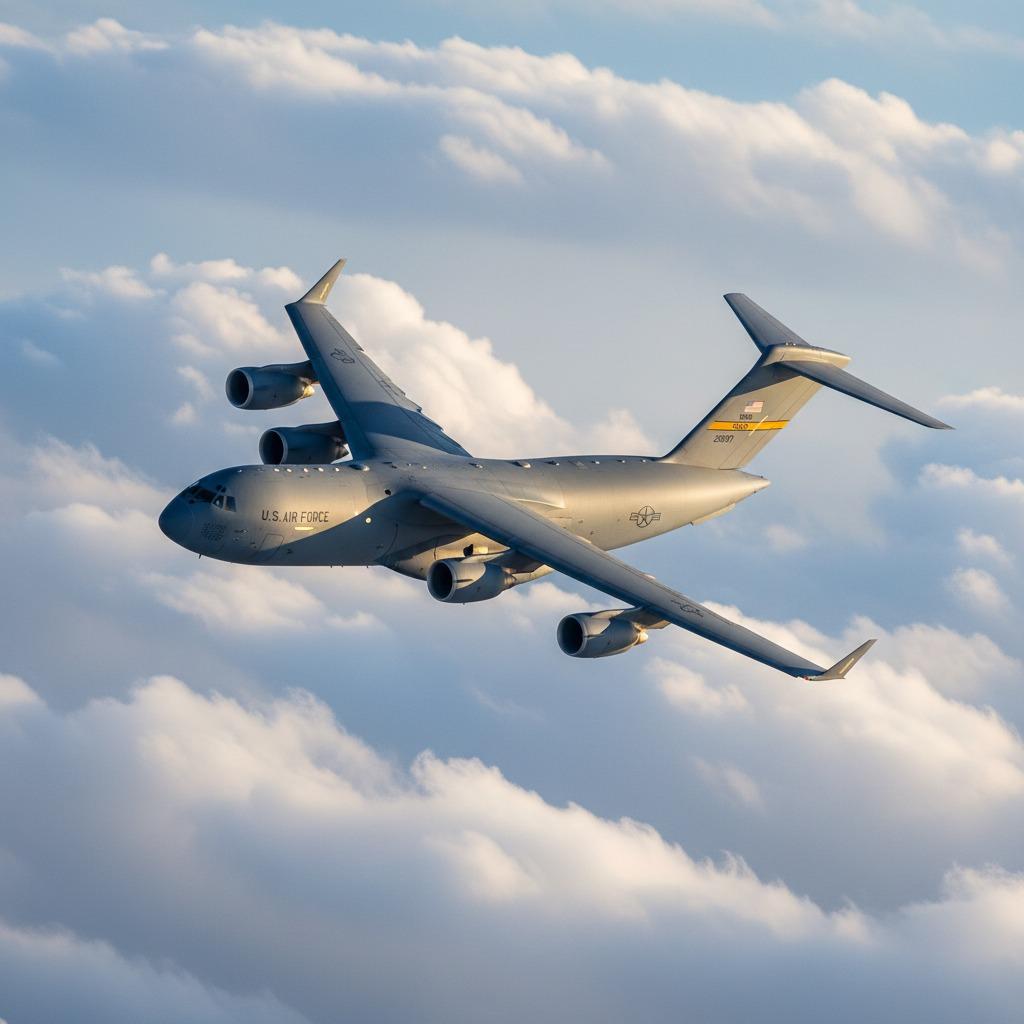
Heavy transport aircraft, such as those equipped with four powerful engines and high payload capacity, play a crucial role in logistics for rapid deployment. These aerial marvels can carry substantial cargo over long distances, supporting humanitarian aid, troop movements, and strategic operations. Their aerodynamic design and robust build allow them to operate in challenging conditions, making them indispensable for military and emergency logistics. For instance, the quad jet-engine configuration ensures speed and range, enabling quick responses in global scenarios where time is critical. Logistics in this context involves coordinating air routes, load balancing, and integration with ground transport to maintain supply chain continuity.
What Role Do Shipping Containers and Reach Stackers Play in Port Logistics?
In maritime logistics, standardized shipping containers, like the durable 20-foot and 40-foot options branded by Maersk, facilitate intermodal transport across ships, trains, and trucks. These weather-resistant steel units feature security locks and stackability, optimizing space in ports and storage yards. Complementing them are reach stackers, heavy-duty machines with telescopic arms and high lifting capacity, designed for precise handling in congested docks. Safety systems and mobility features ensure efficient turnarounds, reducing downtime in logistics networks. This combination is vital for industries like e-commerce and manufacturing, where scalable and secure logistics solutions streamline global supply chains.
How Do Ultra-Large Container Vessels Enhance Global Logistics Efficiency?
Ultra-large container vessels from Maersk Line exemplify advanced logistics at sea, with their immense decks stacked with containers in optimized arrangements. These ships boast high freeboards, powerful propulsion, and aft-positioned superstructures to maximize cargo space, ideal for intercontinental routes. Logistics here involves precise weight distribution, route scheduling, and port integration, supported by tugboats for seamless berthing. Their hydrodynamic hulls and long-haul capabilities ensure reliability for high-volume trade, connecting manufacturers to consumers worldwide. In logistics terms, these vessels reduce transportation costs per unit and improve punctuality, fostering resilient supply chains amid fluctuating global demands.
What are Common Challenges in Logistics and How Can They Be Overcome?
Logistics often faces hurdles like weather disruptions, regulatory compliance, and supply chain bottlenecks. For air-based logistics with heavy transport aircraft, adverse conditions can delay flights, while port logistics with reach stackers and containers may encounter congestion. Solutions include adopting technology like GPS tracking and AI for predictive planning, alongside robust training for operators. Investing in versatile assets, such as Maersk's efficient vessels, helps mitigate risks. Ultimately, proactive logistics management—integrating aerial, maritime, and ground elements—ensures adaptability and efficiency.
Why Choose Advanced Logistics Solutions for Your Business?
Opting for cutting-edge logistics tools, from China Air Force aircraft to Maersk vessels and reach stackers, empowers businesses with reliability and scale. These systems not only handle high-capacity operations but also promote sustainability through fuel-efficient designs. In an era of e-commerce boom, mastering logistics means gaining a competitive edge, ensuring timely deliveries and cost savings. By addressing FAQs on integration and maintenance, companies can build resilient networks that drive growth and innovation in global trade.





