
Frequently Asked Questions About Logistics: Streamlining Your Supply Chain
In the world of logistics, efficiency and reliability are key to keeping businesses moving forward. Logistics encompasses the planning, implementation, and control of the movement and storage of goods, services, and information from origin to consumption. Whether you're a small business owner or managing a global operation, understanding the fundamentals of logistics can transform your supply chain.
What Is Logistics and Why Does It Matter?
Logistics is the backbone of modern commerce, ensuring that products reach their destinations on time and in optimal condition. It involves coordinating transportation, warehousing, inventory management, and order fulfillment. For businesses, effective logistics reduces costs, minimizes delays, and enhances customer satisfaction. In today's fast-paced market, poor logistics can lead to lost revenue, while a robust system opens doors to new opportunities. Consider how global events like supply chain disruptions highlight the critical role of logistics in maintaining business continuity.
One common question is how logistics integrates with technology. Modern logistics leverages tools like GPS tracking, AI-driven route optimization, and automated inventory systems to streamline operations. This not only speeds up processes but also provides real-time visibility into shipments, allowing for proactive decision-making. For instance, companies using advanced logistics software report up to 30% improvements in delivery times.
How Can Modular Shipping Containers Enhance Logistics?
Modular shipping containers are a game-changer in logistics, offering versatility and durability for diverse applications. These containers, built from rugged steel and available in vibrant colors, are designed to withstand harsh environments while maintaining aesthetic appeal. Standardized sizing ensures seamless stacking and transport, optimizing space without sacrificing capacity. Adhering to strict safety standards, they feature secure locking mechanisms to protect goods during transit.
A frequent inquiry is about their eco-friendliness. Yes, these containers are fully recyclable, supporting sustainable logistics practices. They're ideal for shipping, storage, or even innovative architecture, making them multifunctional assets. Businesses streamlining their supply chains find that modular containers reduce handling times and lower environmental impact, aligning with green initiatives.
Another aspect is customization. While standard sizes dominate, options for modifications allow tailoring to specific needs, such as temperature-controlled units for perishables. Integrating these with logistics software enables better tracking, ensuring compliance with international regulations and reducing the risk of customs delays.
What Role Does Air Freight Play in Global Logistics?
Air freight is essential for time-sensitive logistics, providing rapid transport across continents. Innovations like advanced cargo aircraft, with aerodynamic designs and powerful engines, carry multiple shipping containers efficiently. These systems feature futuristic cargo modules for quick loading and unloading, cutting turnaround times significantly.
People often ask about connectivity in air logistics. Routes connecting hubs like Frankfurt, Dubai, and Shanghai ensure unparalleled efficiency, linking major trade centers. This setup is particularly beneficial for high-value or perishable goods, where speed trumps cost. Security measures, including advanced scanning and tamper-proof seals, safeguard shipments against theft or damage.
Sustainability is a growing concern here too. Modern air freight incorporates fuel-efficient engines and optimized flight paths to minimize carbon footprints. For businesses, partnering with reliable air logistics providers means accessing a network that balances speed with reliability, ultimately boosting competitive edges in global markets.
How Do Heavy-Duty Trucks Fit into Road-Based Logistics?
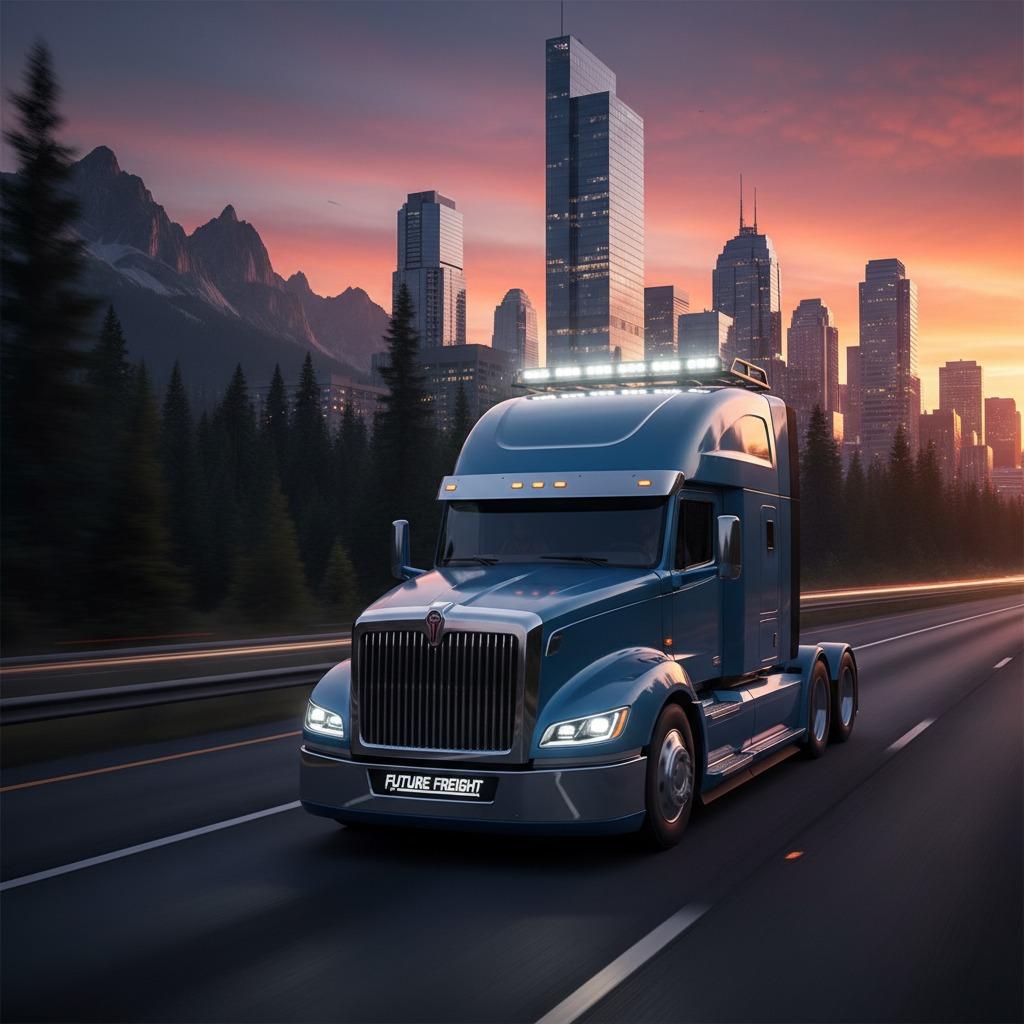
Road transport remains a cornerstone of logistics, with heavy-duty trucks offering flexibility for domestic and regional deliveries. These vehicles, featuring sleek designs and deep blue finishes, combine power with elegance. Aerodynamic builds and LED lighting enhance safety and visibility, while high-efficiency engines deliver fuel economy and performance.
A top question is about driver comfort during long hauls. State-of-the-art interiors with ergonomic seating and infotainment systems make extended trips manageable, reducing fatigue and improving safety. This is crucial for logistics operations that rely on just-in-time deliveries.
Maintenance and integration are also key. Trucks equipped with telematics allow real-time monitoring of fuel use, routes, and vehicle health, preventing breakdowns and optimizing schedules. For urban or rural routes, these trucks bridge gaps efficiently, supporting everything from e-commerce fulfillment to industrial supply chains.
Addressing Common Challenges in Logistics
Logistics isn't without hurdles; supply chain volatility, regulatory compliance, and rising costs are frequent pain points. To tackle these, businesses should invest in diversified transport modes—combining road, air, and sea for resilience. Training staff on logistics best practices and adopting scalable solutions like modular containers can mitigate risks.
For cost management, optimizing routes with data analytics is vital. Questions about scalability often arise as companies grow; cloud-based logistics platforms offer flexibility, scaling from small shipments to global networks without heavy investments.
Finally, the future of logistics points toward automation and AI, promising even greater efficiencies. By staying informed and adaptable, businesses can turn potential challenges into strategic advantages, ensuring smooth operations in an ever-evolving landscape.
In summary, mastering logistics through informed choices in tools, transport, and technology empowers businesses to thrive. Whether exploring modular solutions or advanced freight options, the right approach keeps your supply chain robust and responsive.





