
Understanding the Essentials of Logistics
Logistics forms the backbone of modern supply chains, ensuring that goods move efficiently from origin to destination. In today's fast-paced business environment, effective logistics is crucial for companies aiming to reduce costs and improve customer satisfaction. This article explores the fundamentals of logistics, highlighting its role in various industries and the innovative solutions that enhance operational efficiency.
Key Components of Transportation Logistics
Transportation logistics encompasses the planning, execution, and control of the movement of goods. It involves selecting the right modes of transport—whether by road, rail, sea, or air—to optimize routes and timelines. For instance, advanced tracking systems allow businesses to monitor shipments in real-time, minimizing delays and addressing potential disruptions promptly. Statistics from the Council of Supply Chain Management Professionals indicate that efficient transportation logistics can reduce overall supply chain costs by up to 15%. By integrating technology such as GPS and automated routing software, companies can achieve greater visibility and reliability in their operations.
Enhancing Efficiency with a Superior Logistics Service
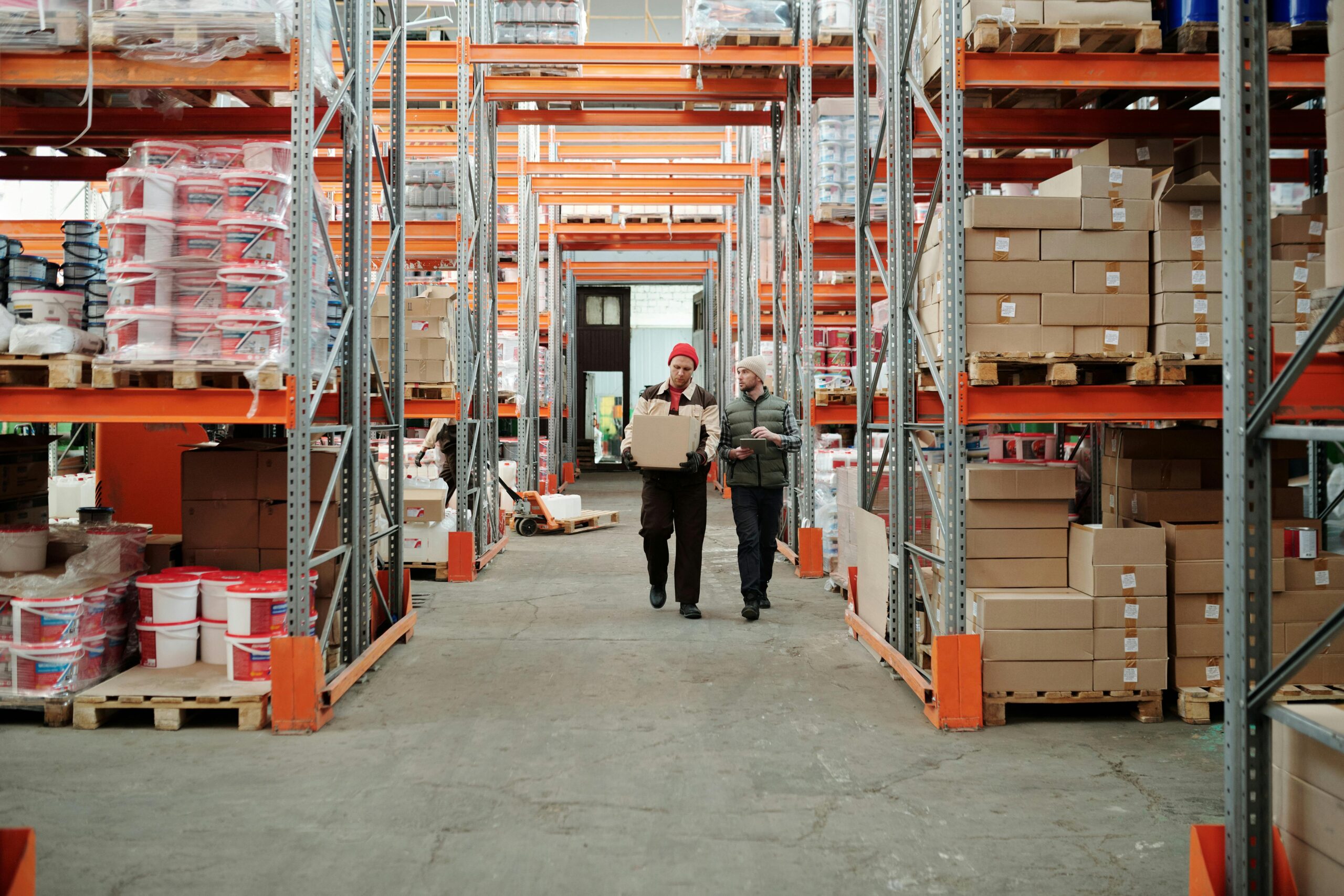
A reliable logistics service goes beyond mere transportation, offering comprehensive solutions that include warehousing, inventory management, and last-mile delivery. Consider a state-of-the-art warehouse setup with optimized racking systems using durable orange steel supports. These multi-level racks maximize vertical space, allowing for the systematic storage of bulk goods like boxes, large containers, and even specialized items such as paint buckets and liquid containers. Category-based storage ensures quick access and easy identification, streamlining retrieval processes. Wide aisles facilitate unrestricted movement for workers and equipment, including hand-operated pallet jacks and motorized tools, promoting safety and productivity. Modern workflow tools, like digital devices for real-time inventory updates, further optimize processes, making this logistics service ideal for distribution centers, retail hubs, or manufacturing facilities.
The Impact of Logistics on Business Success
Investing in robust logistics not only boosts operational efficiency but also drives competitive advantage. Businesses that prioritize logistics report higher customer retention rates due to timely deliveries and fewer errors. For example, integrating employee-centric designs in warehouses—such as accessible layouts and versatile equipment—reduces handling times and minimizes workplace injuries. As global trade expands, the demand for scalable logistics solutions continues to grow. According to a recent McKinsey report, companies leveraging advanced logistics technologies see productivity improvements of 20-30%. By focusing on sustainability, such as eco-friendly routing in transportation logistics, firms can also meet regulatory standards and appeal to environmentally conscious consumers.
Future Trends in Logistics Innovation
Looking ahead, logistics is evolving with emerging technologies like AI-driven predictive analytics and automation. These tools forecast demand, automate picking and packing, and enhance overall supply chain resilience. A well-structured logistics service incorporating these advancements ensures businesses remain agile amid uncertainties like supply shortages or geopolitical shifts. Ultimately, mastering logistics empowers organizations to deliver value consistently, fostering long-term growth and customer loyalty.





