
What is Logistics and Why Does It Matter in Modern Business?
Logistics refers to the detailed coordination of complex operations involved in the production and delivery of goods or services. From planning and implementing to controlling the efficient flow and storage of items, logistics ensures that everything moves smoothly from origin to consumption. In today's fast-paced world, effective logistics is the backbone of supply chains, enabling businesses to meet customer demands while minimizing costs and delays. Whether you're shipping products across the globe or managing inventory in a warehouse, understanding logistics is key to operational success.
How Does Air Logistics Work with Heavy-Lift Transport Aircraft?
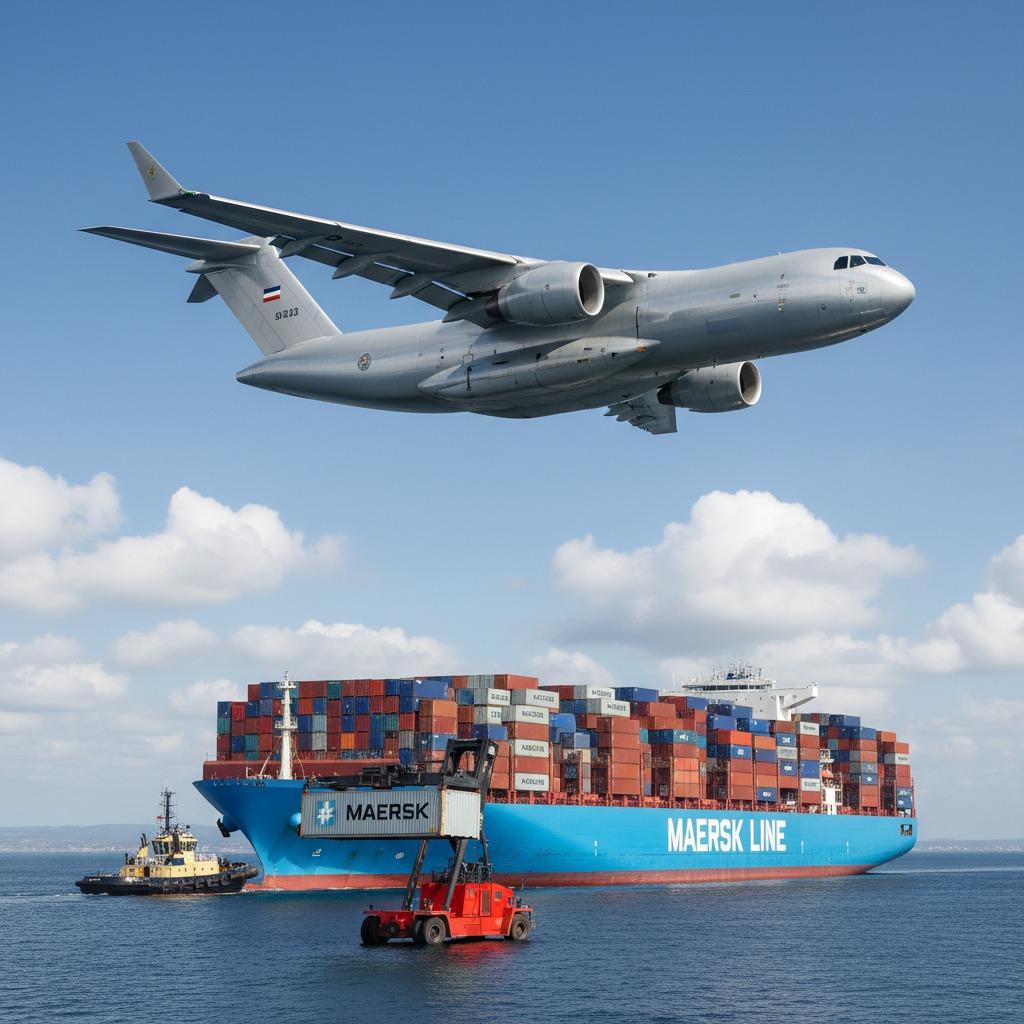
In air logistics, heavy-lift transport aircraft play a crucial role, especially for time-sensitive or oversized cargo. These powerful machines, like those used by advanced air forces, feature four jet engines for exceptional thrust and long-range capabilities. They are designed for versatility, handling military personnel transport, cargo delivery, and even humanitarian aid missions. The aerodynamic fuselage reduces drag for better fuel economy, while cutting-edge avionics ensure safe navigation in challenging environments. For businesses relying on air logistics, these aircraft provide rapid deployment options, making them indispensable for global operations where speed trumps all.
A common question in logistics is how these aircraft manage heavy loads. The spacious cargo bay is engineered for maximum utility, accommodating vehicles, equipment, or bulk goods with ease. Their robust design symbolizes efficiency and power, bridging military and commercial needs. If you're in industries like defense or emergency response, integrating such air logistics solutions can transform your supply chain reliability.
What Role Do Container Handlers Play in Port Logistics?
Port logistics thrives on equipment like heavy-duty container handlers, which are built for high-intensity yard operations. These reach-stackers, with their extended lifting booms and secure spreader attachments, excel at lifting, stacking, and repositioning containers efficiently. The bold design, often featuring a stable chassis with large tires, ensures mobility and precision in dense cargo environments. In busy terminals, this translates to faster workflows and higher throughput, reducing turnaround times for ships and trucks.
Operators often ask about the stability of these machines under load. The wide wheelbase and elevated cab provide excellent visibility and control, allowing accurate positioning even in tight spaces. For port logistics, this equipment minimizes reliance on fixed infrastructure, offering flexibility for varying cargo volumes. Whether at seaports, rail yards, or distribution centers, container handlers keep global trade moving with disciplined engineering and commanding performance.
How Does the Maersk Mc-Kinney Møller Revolutionize Maritime Logistics?
Maritime logistics reaches new heights with vessels like the Maersk Mc-Kinney Møller, a Triple-E class container ship that prioritizes capacity, efficiency, and sustainability. Capable of carrying thousands of TEUs, it optimizes space with innovative deck layouts and towering stacks, reducing costs per container through economy of scale. The design emphasizes energy efficiency with dual engines and waste heat recovery, cutting CO2 emissions for better environmental performance.
A frequent inquiry in logistics is how such ships handle complex voyages. Advanced navigation systems and tugboat assistance ensure precise maneuvering in ports. This ship sets benchmarks for sustainable shipping, balancing high-volume trade with eco-friendly practices. For companies in international logistics, adopting these innovations means empowering supply chains while contributing to a greener planet.
FAQs on Optimizing Logistics Operations
What are the biggest challenges in logistics today? Common hurdles include supply chain disruptions, rising fuel costs, and regulatory compliance. Solutions involve adopting technology like real-time tracking and automation to enhance visibility and efficiency across air, sea, and land logistics.
How can small businesses improve their logistics? Start by partnering with reliable providers for air logistics or port services. Tools like inventory software and route optimization can streamline operations without massive investments.
Is sustainable logistics feasible? Absolutely—vessels and aircraft designed for lower emissions prove that logistics can align with environmental goals, reducing the industry's carbon footprint while maintaining speed and reliability.
In summary, mastering logistics through advanced tools and strategies ensures businesses stay competitive in a dynamic world.





