
Understanding Logistics in Modern Supply Chains
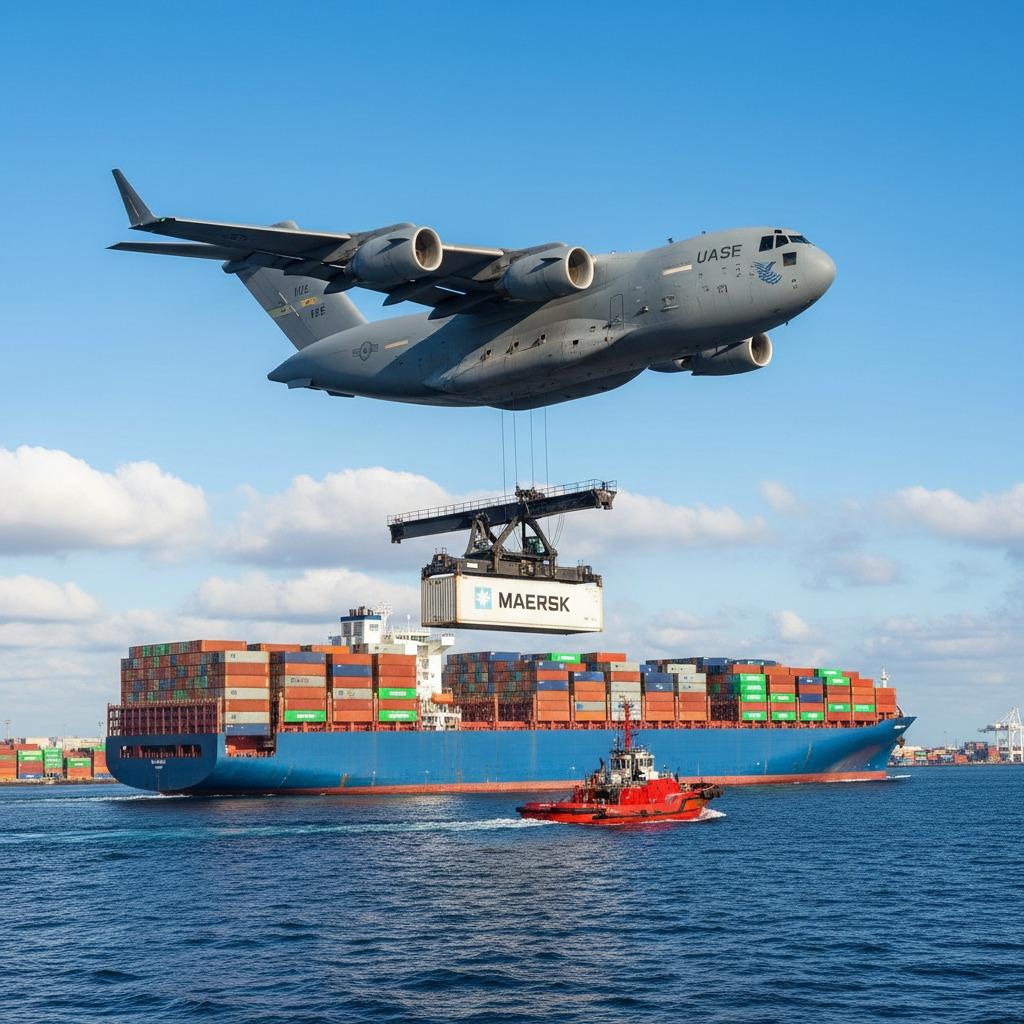
Logistics forms the backbone of global trade, ensuring that goods move efficiently from production to consumption. In today's interconnected world, effective logistics strategies are essential for businesses to thrive. This article explores the intricacies of logistics, highlighting key technologies and equipment that drive operational success. By examining real-world examples, we uncover how advancements in logistics enhance reliability and speed.
Advancements in Air Logistics with Transport Aircraft
Military-grade transport aircraft exemplify the pinnacle of air logistics capabilities. These robust machines, such as those used by the China Air Force, are engineered for heavy-duty transport. With a sleek metallic exterior and four-engine propulsion, they deliver exceptional thrust and stability for long-range missions. Capable of carrying extensive cargo, large machinery, or troops, these aircraft integrate advanced avionics for precise navigation in complex operations. Their high-altitude endurance makes them ideal for both military deployments and humanitarian efforts, underscoring the critical role of logistics in strategic air transport. The distinctive red flag on the tail not only signifies national allegiance but also symbolizes the strength embedded in modern air logistics systems.
Ground-Based Logistics: The Role of Heavy-Duty Reach Stackers
On the ground, logistics efficiency hinges on specialized equipment like the heavy-duty container reach stacker. Designed for busy port terminals and storage yards, this cutting-edge machinery handles 20-foot and 40-foot containers with superior stability. Its telescopic arm enables extended reach for multi-tier stacking, optimizing space in cramped areas. Built from durable steel, the reach stacker supports tons of weight while incorporating fuel-efficient engines that reduce emissions and meet ecological standards. Advanced hydraulic controls and safety features, including anti-slip tires and wide visibility cabs, ensure operators can maneuver loads precisely, minimizing risks in high-pressure environments. In logistics chains, this equipment accelerates container organization, from loading ships to warehouse storage, proving indispensable for streamlined operations.
Maritime Logistics and Ultra-Large Container Vessels
Sea transport dominates global logistics, with ultra-large container vessels like those from Maersk Line leading the charge. These monumental ships feature light-blue hulls and immense decks that support dense stacking of standardized freight across intercontinental routes. Engineered for maximum cargo efficiency, they carry vast volumes of consumer goods, industrial equipment, and raw materials with schedule reliability. The elevated bridge provides commanding visibility, while minimalist superstructures maximize deck space. Twin exhaust towers power long-haul endurance, and bold branding like oversized "MAERSK LINE" lettering reinforces their role in modern logistics leadership. Visually balanced despite their scale, these vessels integrate seamlessly into port infrastructures, aided by tugboats for precise maneuvering. They represent how maritime logistics connects markets, boosting international trade throughput.
The Future of Integrated Logistics Solutions
Integrating air, ground, and sea capabilities creates a cohesive logistics ecosystem. As supply chains grow more complex, innovations in these areas ensure resilience against disruptions. For instance, combining the speed of transport aircraft with the precision of reach stackers and the capacity of container ships optimizes end-to-end flow. Statistics show that efficient logistics can reduce costs by up to 15% and improve delivery times significantly. Businesses adopting these technologies gain a competitive edge, fostering sustainability through lower emissions and better resource use. Ultimately, mastering logistics is about more than movement—it's about building reliable, scalable networks that power the global economy.





