
Frequently Asked Questions about Logistics in the Era of Ultra-Large Container Vessels
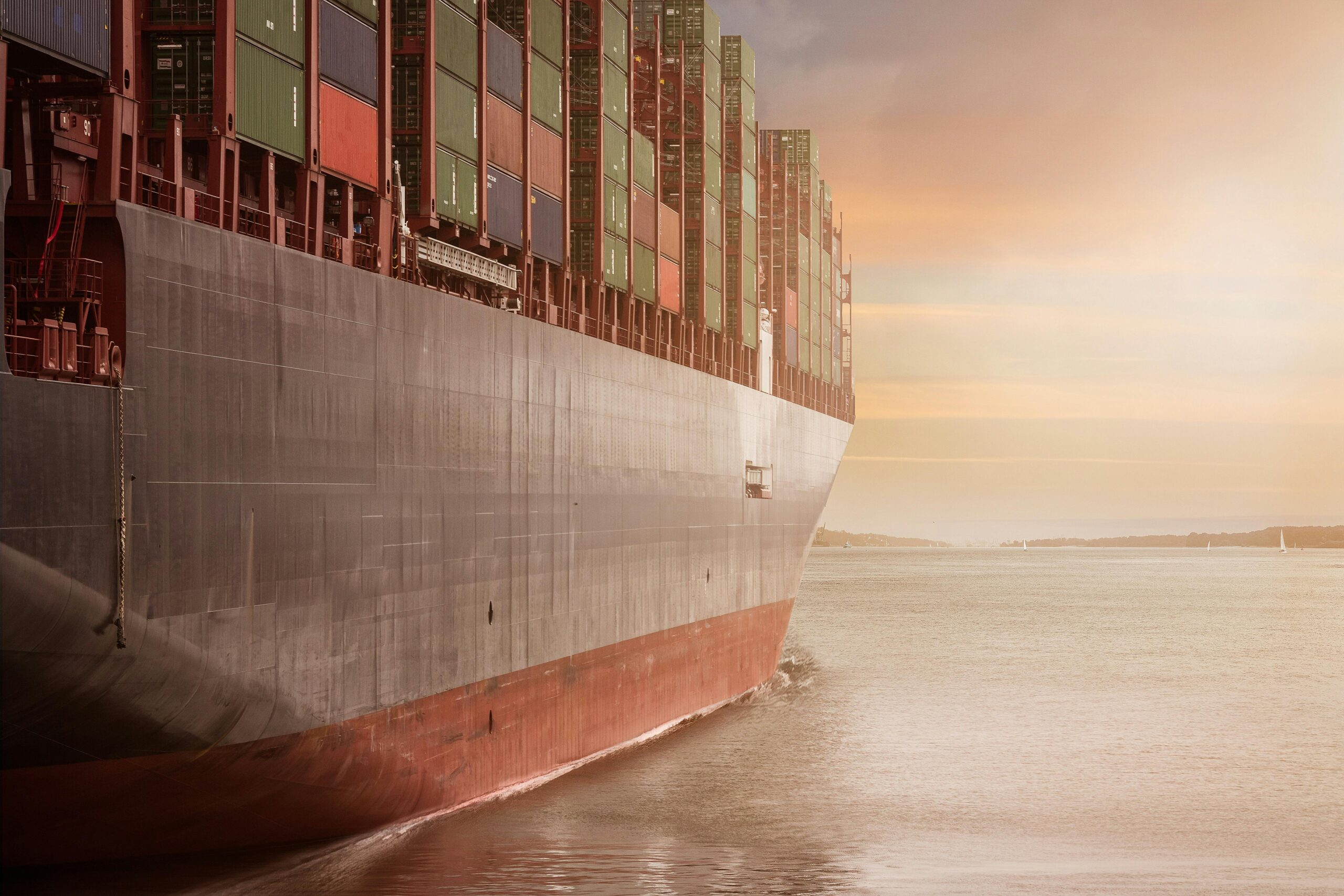
In the fast-paced world of global trade, logistics plays a pivotal role in ensuring goods move efficiently from origin to destination. With the introduction of advanced vessels like the Ultra-Large Container Vessel (ULCV), logistics has evolved to handle unprecedented volumes and complexities. This article addresses common questions about logistics, focusing on how innovations like the ULCV enhance overall operations.
What is Logistics and Why Does It Matter?
Logistics refers to the detailed coordination and management of the flow of goods, services, and information from point of origin to the point of consumption. It encompasses everything from planning and sourcing to transportation, storage, and delivery. In today's interconnected economy, effective logistics is crucial for businesses to remain competitive. For instance, the ULCV, with its capacity to carry thousands of containers, exemplifies how maritime advancements are transforming logistics by optimizing routes and reducing transit times across oceans. Without robust logistics, supply chains would falter, leading to delays, increased costs, and dissatisfied customers. Companies rely on logistics to streamline operations, especially in international trade where distances and regulations add layers of complexity.
How Does Logistics Management Work with Large-Scale Shipping?
Logistics management involves overseeing the entire supply chain to ensure efficiency and cost-effectiveness. This includes inventory control, transportation scheduling, and risk mitigation. With vessels like the ULCV, logistics management becomes more sophisticated, integrating real-time tracking and automated systems to monitor cargo status. For example, the ULCV's cutting-edge navigation ensures on-time arrivals, allowing managers to predict and adjust delivery schedules accurately. Effective logistics management also incorporates data analytics to forecast demand and optimize resource allocation. In practice, this means coordinating with ports, customs, and inland transport providers to create seamless handoffs. By focusing on logistics management, businesses can minimize disruptions and maximize profitability, particularly when dealing with high-volume shipments that the ULCV facilitates.
What Are the Best Logistics Solutions for Global Trade?
Logistics solutions are tailored strategies and tools designed to address specific challenges in the supply chain. These can range from third-party providers to integrated software platforms that automate processes. The ULCV represents a key logistics solution in maritime transport, offering eco-friendly efficiency through its streamlined design and fuel-saving features. For global trade, top solutions include multimodal transportation networks that combine sea, rail, and road freight for end-to-end visibility. Additionally, adopting sustainable practices, like those enabled by the ULCV's stability in rough seas, helps companies meet environmental regulations while cutting costs. Businesses should evaluate logistics solutions based on scalability, reliability, and integration capabilities. Ultimately, choosing the right logistics solutions ensures resilience against market fluctuations and enhances customer satisfaction through reliable deliveries.
How Can Logistics Software Improve Efficiency?
Logistics software is a game-changer, providing digital tools to automate and optimize supply chain activities. From warehouse management systems to route optimization algorithms, logistics software integrates with hardware like GPS trackers on vessels such as the ULCV to offer real-time insights. This technology allows for predictive maintenance, inventory forecasting, and automated invoicing, reducing human error and operational delays. For instance, when paired with the ULCV's state-of-the-art systems, logistics software can synchronize port calls with inland logistics, ensuring smooth cargo flow. Key benefits include enhanced visibility, better decision-making, and cost savings—often up to 20-30% in transportation expenses. Implementing logistics software requires assessing compatibility with existing infrastructure, but the investment pays off in faster, more accurate operations. As trade volumes grow, logistics software becomes indispensable for staying ahead in competitive markets.
Future Trends in Logistics with Maritime Innovations
Looking ahead, logistics is set to integrate more AI, blockchain, and IoT for even greater transparency and automation. The ULCV's role in this future is prominent, as it supports larger payloads and greener shipping, aligning with global sustainability goals. Companies adopting these trends in logistics management and solutions will lead the industry, connecting economies more effectively. By leveraging logistics software, businesses can adapt to disruptions like geopolitical shifts or natural events, ensuring continuity. In summary, understanding and implementing strong logistics practices, especially with vessels like the ULCV, is essential for thriving in international trade.





