
Understanding the Dynamics of Logistics in Modern Supply Chains
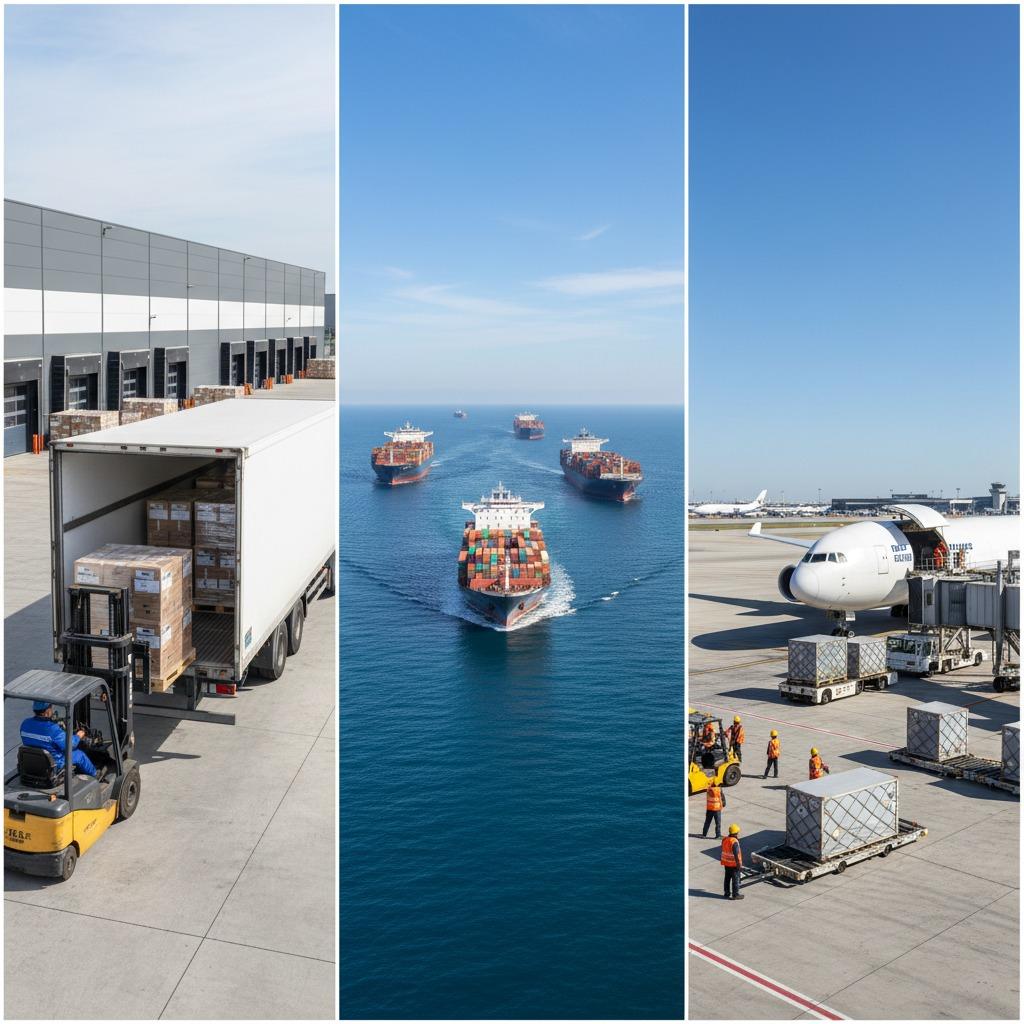
Logistics forms the backbone of global trade, ensuring that goods move efficiently from origin to destination. In today's fast-paced economy, effective logistics is crucial for businesses aiming to meet customer demands while minimizing costs. This article explores the intricacies of logistics, highlighting key innovations and practices that drive efficiency across various transportation modes.
Revolutionizing Road Logistics with High-Capacity Refrigerated Trailers
In the realm of road transportation, advancements like the high-capacity refrigerated trailer are transforming how perishable goods are handled. These trailers incorporate robust insulation technology to maintain precise temperatures, preserving the quality of items such as fresh produce and pharmaceuticals during transit. The spacious design allows for substantial loads, with features like wide-opening doors and smooth loading mechanisms that enable quick pallet transfers using advanced jacks. This reduces downtime and boosts productivity for distributors. Engineered for durability and superior road handling, these trailers also feature aerodynamic exteriors that improve fuel efficiency, making them an eco-friendly choice for long-haul operations. By integrating such innovations, logistics operations can achieve higher standards of reliability and performance, ultimately redefining industry benchmarks.
Maritime Innovations: The Role of Advanced Cargo Ships in Global Logistics
Maritime logistics remains a cornerstone for international shipping, where vessels like the Ocean Guardian series exemplify cutting-edge engineering. These cargo ships are equipped with state-of-the-art navigation systems for safe and precise voyages across oceans. Their advanced hull designs reduce water resistance, enhancing fuel efficiency and promoting environmental sustainability. With optimized storage solutions and spacious decks, they maximize cargo capacity while withstanding diverse sea conditions. Smart tracking systems provide real-time monitoring, allowing seamless integration with global logistics networks. This level of innovation ensures that maritime logistics not only supports vast trade volumes but also adapts to regulatory demands for greener practices. As global trade expands, such vessels play a pivotal role in maintaining efficient supply chains, minimizing delays and ensuring timely deliveries worldwide.
Elevating Air Cargo Logistics Through Precision and Efficiency
Air logistics has seen remarkable progress with freight aircraft designed for high-volume, time-sensitive transport. Modern cargo planes, often seen at bustling airports with meticulously coordinated loading operations, showcase the precision required in this sector. Personnel using high-visibility gear and specialized equipment like forklifts ensure containers are securely positioned, facilitating swift turnaround times. These aircraft boast sleek designs and powerful engines optimized for fuel efficiency and maximum payload, making them indispensable for international shipping of urgent goods. The synchronized efforts of skilled teams highlight the infrastructure that underpins global trade, from e-commerce parcels to critical medical supplies. In an era where speed is paramount, air logistics innovations underscore the sector's ability to connect distant markets reliably, contributing to the overall resilience of supply chains.
The Broader Impact of Logistics on Business and Economy
Beyond specific modes of transport, logistics encompasses a holistic approach to supply chain management, integrating technology and human expertise. Statistics from industry reports indicate that efficient logistics can reduce operational costs by up to 15%, while poor management leads to significant delays and financial losses. For instance, the adoption of IoT-enabled tracking in logistics has improved visibility, allowing companies to predict and mitigate disruptions. Moreover, sustainable practices, such as those seen in fuel-efficient vehicles and ships, align with global efforts to lower carbon emissions. Businesses leveraging these advancements gain a competitive edge, fostering customer trust through consistent delivery. As logistics continues to evolve with AI and automation, its influence on economic growth becomes even more pronounced, supporting everything from local commerce to international exports. In essence, mastering logistics is key to thriving in a interconnected world.





