
Understanding the Basics of Logistics
Logistics forms the backbone of global supply chains, ensuring that goods move efficiently from origin to destination. In the maritime sector, logistics is exemplified by vessels like the state-of-the-art container ship, which handles vast cargo loads with precision. This ship, with its vibrant red bridge deck contrasting against ocean waves, integrates logistics seamlessly into its operations. Comparing traditional shipping to this modern marvel reveals stark differences: while older vessels prioritized sheer volume, contemporary logistics emphasizes speed and sustainability.
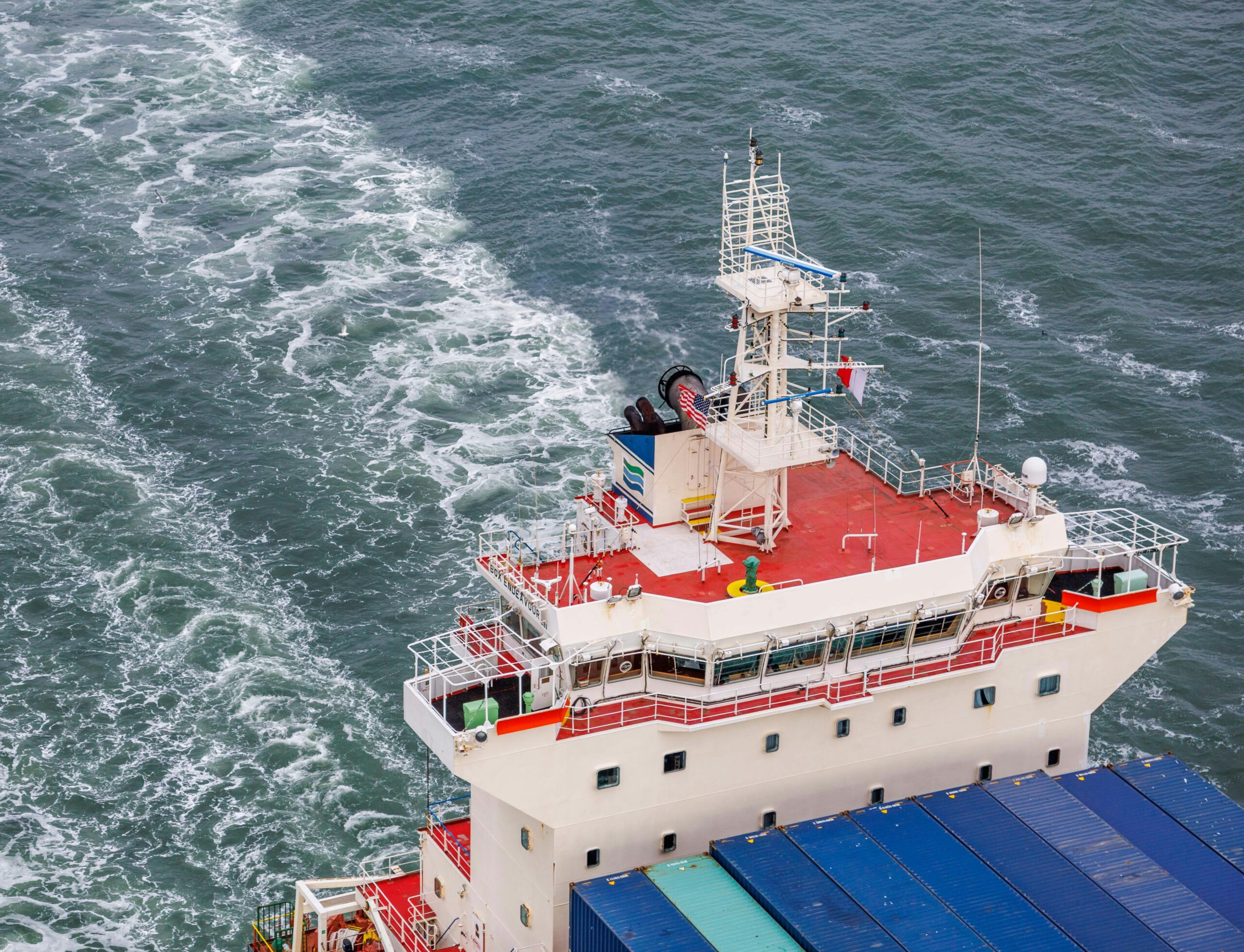
Logistics Operations: Traditional vs. Modern Maritime Approaches
Logistics operations involve planning, executing, and controlling the flow of goods. In a comparison of past and present, traditional logistics operations on container ships relied on manual coordination and basic stacking methods for containers. However, the latest container ship revolutionizes logistics operations with automated systems that secure rows of shipping containers below the bridge, maximizing capacity without compromising safety. This contrasts with outdated methods that often led to delays and inefficiencies. The ship's advanced navigation housed in sleek architecture ensures real-time tracking, reducing downtime compared to legacy operations plagued by communication gaps. By streamlining logistics operations, such vessels cut costs and enhance reliability, proving that modern approaches outpace their predecessors in every metric.
The Role of Logistics Software in Enhancing Efficiency
Logistics software plays a pivotal role in optimizing these processes, integrating data analytics for predictive planning. Traditional logistics software was rudimentary, often siloed and error-prone, leading to misrouted cargo on older ships. In contrast, the container ship's onboard logistics software leverages cutting-edge radar and antennas for seamless global connectivity, allowing port synchronization that traditional systems could only dream of. This software monitors fuel efficiency and emissions in real-time, a feature absent in legacy tools, enabling eco-friendly adjustments that reduce environmental impact. When comparing the two, modern logistics software not only boosts operational speed but also fosters sustainability, transforming how vessels like this one navigate vast distances with unparalleled expertise.
Logistics Solutions: Bridging Gaps Between Old and New Paradigms
Logistics solutions encompass comprehensive strategies to address supply chain challenges, and here the divide between conventional and innovative is most evident. Older logistics solutions focused on basic transport, often ignoring ecological concerns, resulting in higher emissions from inefficient engines. The state-of-the-art container ship, however, offers holistic logistics solutions through its precision-engineered design, which enhances fuel efficiency and minimizes waste. Stacked containers showcase impressive cargo capacity, a leap from the limited holds of yesteryear. This vessel's integration of advanced technology contrasts sharply with past solutions, providing not just functionality but a stylish testament to maritime innovation. Ultimately, these logistics solutions reshape global commerce, ensuring swift, safe transport while prioritizing environmental sustainability over the resource-heavy models of the past.
In summary, the evolution from traditional to modern logistics highlights a shift toward efficiency and responsibility. This container ship's design, with its modern architecture and eco-conscious features, embodies the future, outshining outdated practices in performance and grace.





