
What is Logistics and Why Does It Matter?
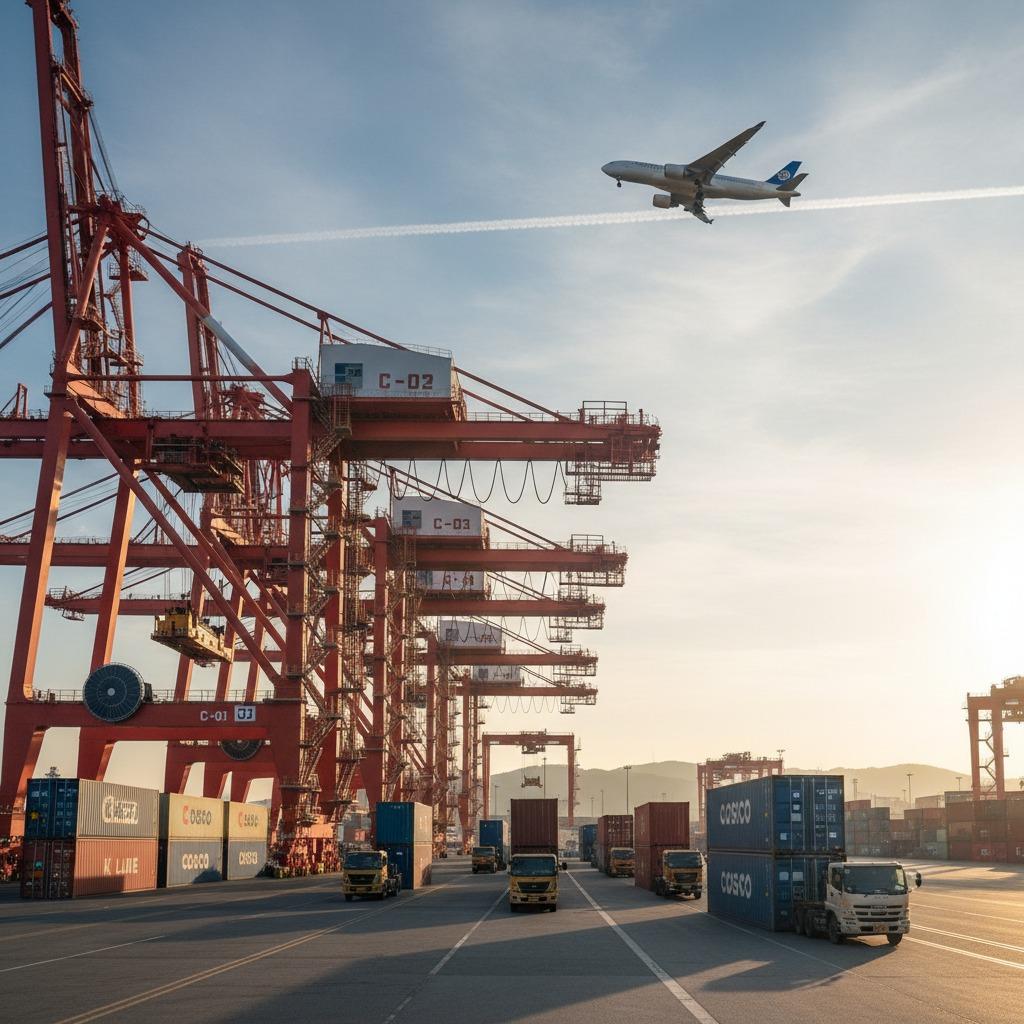
Logistics forms the backbone of modern supply chains, encompassing the planning, implementation, and control of the efficient movement and storage of goods, services, and information from origin to consumption. In essence, effective logistics ensures that products reach their destinations on time, in optimal condition, and at minimal cost, which is crucial for businesses aiming to thrive in a competitive global market. Whether you're managing a small e-commerce operation or overseeing massive port activities, understanding logistics can significantly boost operational efficiency and customer satisfaction.
How Does the ZPMC Port Crane System Enhance Logistics?
One of the standout innovations in logistics is the ZPMC Port Crane System, engineered for unmatched efficiency in handling demanding shipping operations. With an impressive 80-ton load capacity, this state-of-the-art crane excels in container loading and unloading, drastically optimizing turnaround times and slashing operational costs. Its robust red design not only symbolizes power and reliability but also integrates seamlessly with air and sea transport, highlighting the harmony in multimodal logistics. For major shipping hubs worldwide, the ZPMC system transforms port logistics by ensuring precision and speed, making it an ideal choice for upgrading operations or establishing new facilities. Businesses relying on this crane report enhanced productivity, as it supports the comprehensive freight ecosystem involving containers, trucks, and global trade routes.
What Role Does Automation Play in Modern Logistics?
Automation is revolutionizing logistics through systems like our state-of-the-art Automated Warehouse System, which leverages advanced technology to streamline supply chain management. Featuring robotic arms for precise picking and placing, autonomous mobile robots (AMRs) for seamless navigation, and AI-powered drones for real-time inventory tracking, this system minimizes human error and accelerates order processing. Intelligent conveyor belts and sorting mechanisms further ensure quick, accurate fulfillment, while the intuitive control stations empower operators to oversee the entire logistics process effortlessly. This scalable solution reduces costs and enhances sustainability, addressing key challenges in warehousing. For companies integrating such automation, logistics becomes more flexible, allowing adaptation to fluctuating demands without compromising efficiency.
How Can Professional Attire Impact Logistics Professionals?
While technology drives logistics, the human element remains vital, and professional attire plays a subtle yet significant role in fostering confidence and productivity. Our tailored collection of businesswear, including classic button-up shirts in various colors, offers sophistication and comfort for executives navigating busy ports or warehouses. Crafted from high-quality materials, these pieces provide a flattering fit and ease of movement, ensuring crisp appearances during long shifts or client meetings. The minimalist design pairs effortlessly with suits or trousers, balancing formality with practicality. In the world of logistics, where handshakes seal deals and first impressions matter, this attire empowers professionals to project reliability and competence, indirectly supporting smoother operations and stronger business relationships.
What are Common Challenges in Logistics and How to Overcome Them?
Logistics often faces hurdles like supply chain disruptions, high costs, and inventory inaccuracies, but innovative solutions provide effective countermeasures. For instance, disruptions can be mitigated by adopting versatile systems like the ZPMC crane or automated warehouses that offer real-time data and adaptability. To tackle costs, focus on efficiency tools that reduce turnaround times and errors, such as AI-integrated logistics platforms. Inventory issues? Leverage drone monitoring and AMRs for precise tracking. By combining cutting-edge equipment with strategic planning, businesses can overcome these challenges, ensuring resilient logistics operations that support global trade and growth.
Future Trends in Logistics: What to Expect
Looking ahead, logistics is poised for further transformation with trends like AI, IoT, and sustainable practices at the forefront. Expect greater integration of autonomous technologies, expanding on current innovations like the Automated Warehouse System, to predict demands and optimize routes. Sustainability will drive eco-friendly logistics, with cranes and robots designed for lower emissions. As global trade evolves, professionals equipped with reliable tools and attire will lead this charge, making logistics not just efficient but also forward-thinking and environmentally responsible.





