
What is Logistics and Why Does It Matter?
Logistics forms the backbone of global trade, encompassing the planning, execution, and control of the movement and storage of goods, services, and information from origin to consumption. In today's interconnected world, effective logistics ensures that products reach their destinations efficiently and cost-effectively. Whether you're a small business shipping locally or a multinational corporation managing international supply chains, understanding logistics is crucial for success. This FAQ guide explores key aspects of logistics, including international logistics and logistics services, to help you navigate the complexities of modern transportation.
What are the Fundamentals of International Logistics?
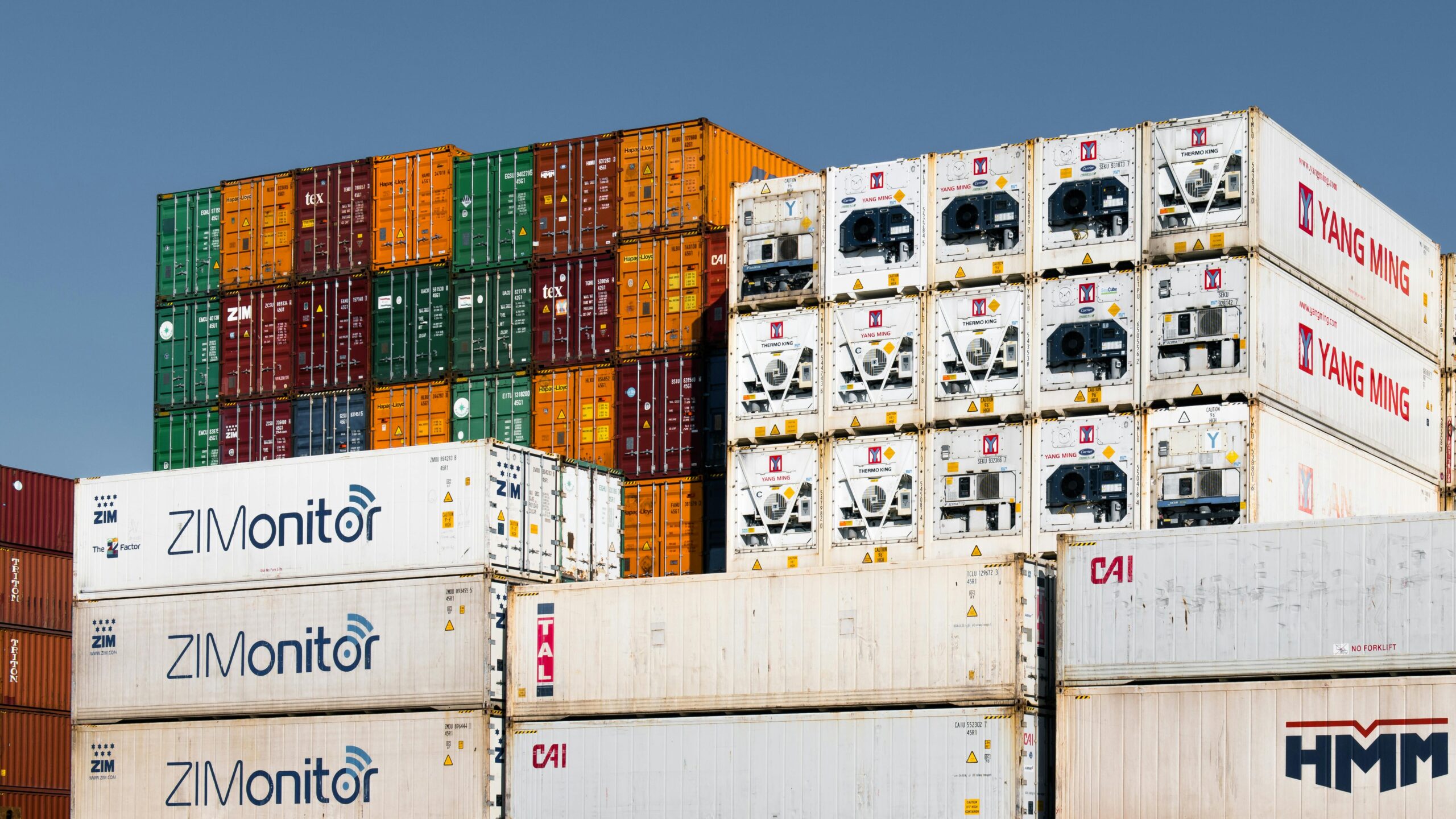
International logistics involves the coordination of shipments across borders, dealing with customs regulations, varying transportation modes like sea, air, and rail, and compliance with international standards. It requires expertise in documentation, tariffs, and risk management to avoid delays and extra costs. For instance, refrigerated containers, such as those branded by Yang Ming, play a vital role in international logistics by maintaining the integrity of perishable goods like pharmaceuticals and fresh produce during long voyages. Smart containers with IoT connectivity, like ZIMonitor models, provide real-time tracking of temperature, humidity, and location, enhancing visibility and reducing losses. Companies handling international logistics must also consider stackable designs for space-efficient storage and transport on vessels, ensuring durability against harsh conditions while promoting sustainability through eco-friendly materials.
How Do Logistics Services Enhance Global Trade?
Logistics services are comprehensive offerings that include warehousing, inventory management, freight forwarding, and last-mile delivery, tailored to streamline operations. These services adapt to diverse needs, from transporting non-perishable items in standard colorful containers to specialized handling of sensitive cargo. Brands like HMM, ZIM, and CAI exemplify global collaboration in logistics services, providing reliable solutions for sea, rail, and ground freight. Key benefits include technology integration for monitoring, adaptability for various goods, and a focus on environmental impact minimization. For businesses, choosing the right logistics service means faster turnaround times, cost savings, and peace of mind knowing that goods are secure throughout their journey.
What Role Do Advanced Containers Play in Logistics?
Advanced containers are at the heart of modern logistics, offering multi-functional solutions for storage and transportation. Refrigerated units preserve freshness for items like meats and seafood, while durable standard containers handle everyday freight with resilience. The stackable and modular design maximizes space in yards and ships, crucial for efficient international logistics. Sustainability features, such as energy-efficient cooling, align with global environmental goals, making these containers ideal for forward-thinking companies. In logistics services, these innovations ensure that whether shipping manufactured goods or perishables, the process is reliable and innovative.
How Can Businesses Optimize Their Logistics Strategy?
Optimizing logistics involves selecting partners with proven expertise in international logistics and comprehensive logistics services. Evaluate options based on real-time tracking capabilities, customization for cargo types, and global reach. By leveraging smart technologies and sustainable practices, businesses can reduce costs, improve efficiency, and meet customer demands. For example, integrating ZIMonitor systems allows proactive issue resolution, preventing disruptions. Ultimately, a well-optimized logistics strategy turns potential challenges into competitive advantages, supporting seamless operations in a fast-paced world.





