
What is Logistics and Why Does It Matter?
Logistics is the backbone of global trade and supply chain management, ensuring that goods move efficiently from origin to destination. In today's interconnected world, effective logistics minimizes delays, reduces costs, and enhances customer satisfaction. Whether it's air, sea, or ground transportation, logistics orchestrates the complex dance of inventory, shipping, and delivery. For businesses relying on heavy-duty equipment and vessels, understanding logistics is crucial for operational success.
How Do Modern Aircraft Contribute to Air Logistics?
In air logistics, advanced aircraft play a pivotal role in strategic mobility. These four-engine marvels are designed for heavy-lift capabilities, transporting massive payloads, military equipment, or personnel across continents with optimal efficiency. Their aerodynamic design and robust structure allow for high-altitude performance and durability in demanding conditions. Equipped with advanced avionics, these aircraft ensure precise navigation and safety, making them indispensable for rapid deployment in global operations. Logistics in the air demands versatility, and these machines deliver by adapting to varying mission requirements, from cargo holds that accommodate oversized loads to systems that enhance survivability.
What Role Do Reach Stackers Play in Port Logistics?
Port logistics thrives on equipment like heavy-duty reach stackers, which handle full-size shipping containers with speed and precision. These machines, with their low, wide chassis and telescopic booms, excel in dense container yards, lifting loads high above the ground for efficient stacking and transfer. The front-end spreader system securely engages containers, reducing swing and ensuring accurate placement in crowded environments. Built for real-world conditions, reach stackers feature oversized tires and reinforced frames for stability under heavy loads and long shifts. In logistics hubs, they accelerate workflows by maximizing yard space and minimizing turnaround times, embodying the strength and control needed for high-capacity operations.
How Does the Maersk Triple-E Class Enhance Maritime Logistics?
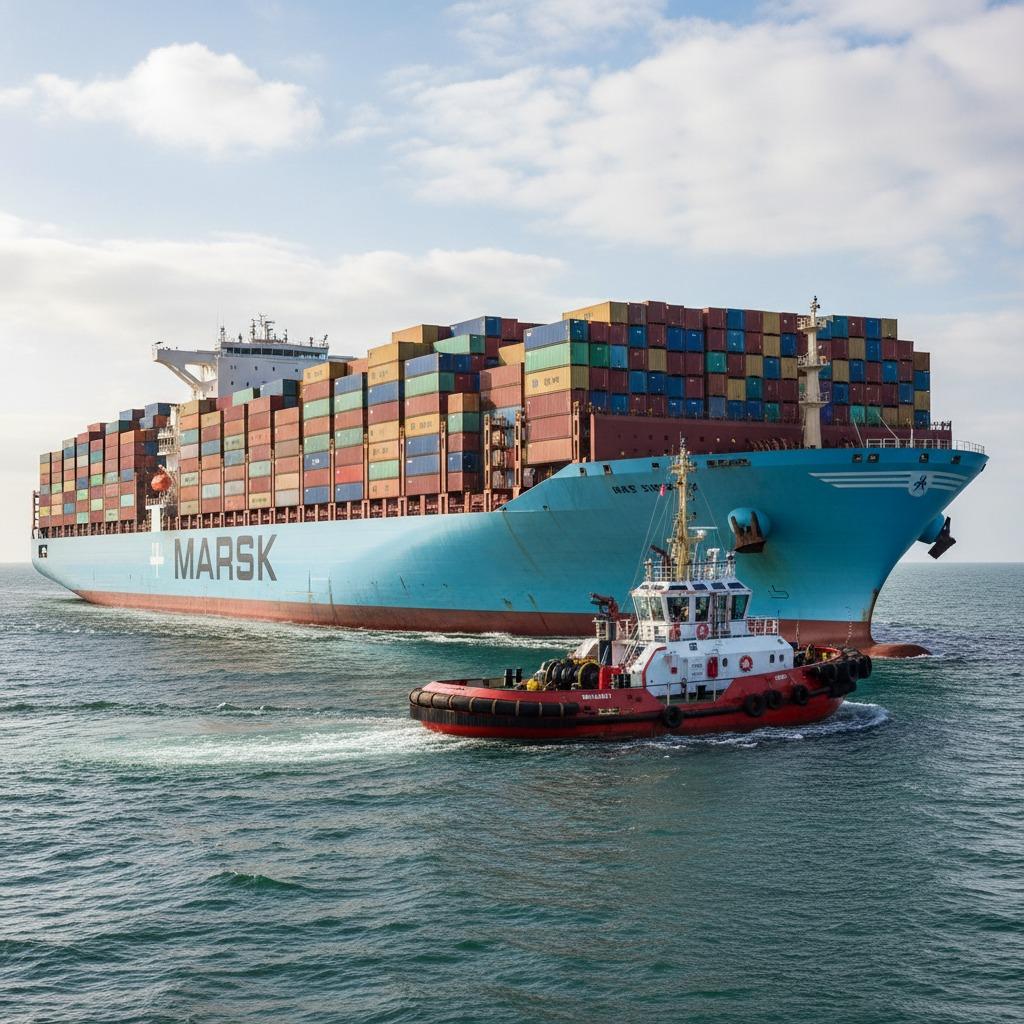
Maritime logistics reaches new heights with vessels like the Maersk Line Triple-E Class Container Ship, an icon of efficiency and sustainability. This massive ship carries thousands of containers, leveraging its innovative hull and twin-propeller system for superior fuel efficiency and reduced emissions. The Triple-E design focuses on economy of scale, energy efficiency, and environmental improvement, aligning with global standards for greener shipping. Advanced navigation and safety features ensure seamless operations across challenging seas, supporting international trade's demands. In logistics, these ships symbolize scalability and connectivity, moving cargo reliably while minimizing environmental impact.
What Are Common Challenges in Logistics and How to Overcome Them?
Logistics faces challenges like supply chain disruptions, regulatory compliance, and rising costs. To overcome them, integrating technology such as real-time tracking and automated equipment is essential. For air logistics, selecting versatile aircraft helps mitigate delays from weather or routing issues. In ports, reach stackers with enhanced visibility and control reduce accidents and boost throughput. Maritime logistics benefits from eco-friendly vessels that cut fuel expenses and meet emission regulations. By prioritizing adaptability and innovation, companies can streamline logistics, ensuring resilience in a dynamic global market.
Why Choose Advanced Solutions for Your Logistics Needs?
Investing in state-of-the-art logistics solutions, from aircraft to reach stackers and container ships, drives competitive advantage. These tools not only handle heavy loads with precision but also promote sustainability and efficiency. As logistics evolves, embracing versatile, high-performance equipment ensures businesses stay ahead, delivering goods faster and more reliably worldwide.





