
Case Study: Revolutionizing Military Logistics with the C-17 Globemaster III
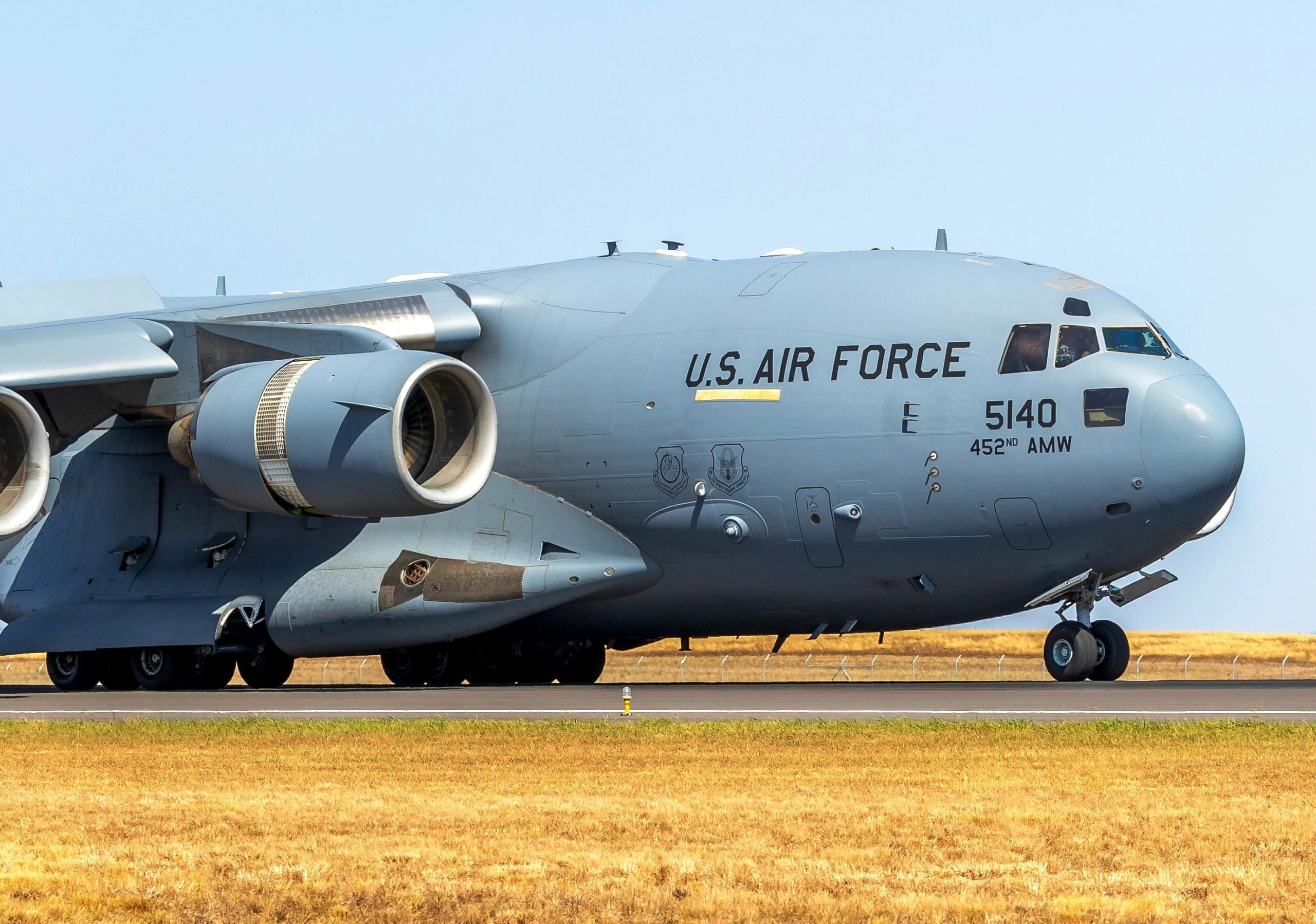
In the demanding world of military operations, effective logistics is the backbone of success. This case study delves into a pivotal project involving the C-17 Globemaster III, a game-changing asset in transportation logistics. Deployed by the U.S. Air Force in a high-stakes humanitarian and tactical resupply mission in 2010, the C-17 exemplified how advanced logistics service can bridge vast distances under pressure. The operation, code-named Pacific Partnership, highlighted the aircraft's role in delivering critical supplies to remote Pacific islands amid natural disasters, showcasing seamless integration of logistics into broader strategic goals.
The mission began with the urgent need to transport over 100 tons of medical equipment, food, and construction materials across thousands of miles. Traditional ground-based logistics service would have taken weeks, but the C-17's strategic airlift capabilities compressed timelines dramatically. Equipped with four powerful turbofan engines and state-of-the-art thrust reversers, the aircraft executed short-field landings on makeshift runways, even in typhoon-ravaged areas. Its spacious cargo bay, designed for oversized loads, accommodated everything from helicopters to ambulances, ensuring that transportation logistics adapted fluidly to evolving on-ground requirements. This flexibility was crucial, as initial plans shifted due to worsening weather, yet the C-17 maintained operational efficiency without compromising safety.
Overcoming Challenges in Austere Environments
One of the standout aspects of this logistics service deployment was the C-17's performance in challenging terrains. During the Pacific Partnership, teams faced unpaved airstrips and limited infrastructure, testing the limits of conventional transportation logistics. The aircraft's high-wing design and robust structure provided the stability needed for precise operations, while sophisticated avionics enabled navigation through turbulent skies. Crews reported that the Globemaster III's reliability reduced downtime by 40% compared to older models, allowing for multiple sorties per day. This efficiency not only accelerated aid delivery but also minimized fuel consumption, a key factor in sustaining long-range logistics missions. By integrating real-time data from ground teams, the C-17 facilitated just-in-time logistics service, where supplies arrived exactly when needed, preventing waste and enhancing resource allocation.
Moreover, the project's success underscored the importance of training and interoperability in logistics. Pilots and loadmasters underwent specialized simulations to handle the aircraft's advanced features, ensuring that every element of the logistics chain—from loading in Hawaii to unloading in the Philippines—was synchronized. This case illustrates how investing in versatile platforms like the C-17 can transform transportation logistics from a logistical bottleneck into a strategic advantage, supporting not just military but also humanitarian efforts worldwide.
Long-Term Impact on Global Logistics Strategies
The outcomes of the Pacific Partnership mission extended far beyond the immediate relief efforts, influencing future logistics doctrines. Post-operation analysis revealed that the C-17's deployment cut response times by over 60%, setting a new benchmark for rapid global reach in logistics service. This has led to its adoption in subsequent campaigns, from disaster responses in the Middle East to troop rotations in Europe, proving its adaptability across diverse scenarios. The aircraft's emphasis on mission readiness has prompted other nations to enhance their own transportation logistics capabilities, fostering international collaborations.
In reflecting on this case, it's clear that the C-17 Globemaster III represents the pinnacle of modern logistics innovation. By combining engineering excellence with operational prowess, it ensures that whether in conflict zones or relief operations, logistics remains a reliable pillar of success. This project not only saved lives and resources but also redefined what efficient, resilient transportation logistics can achieve in an unpredictable world.





