
Frequently Asked Questions About Logistics: Revolutionizing Global Trade
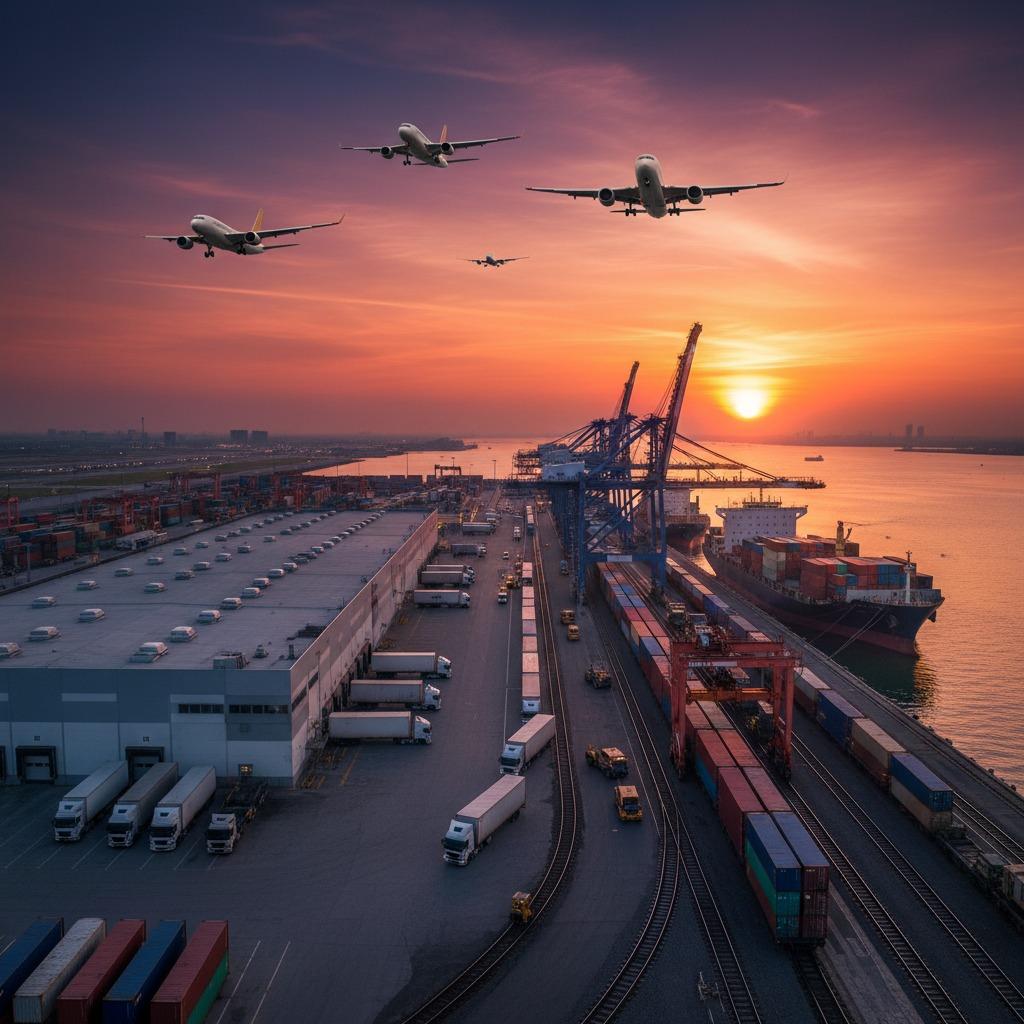
In the world of logistics, seamless integration of various transport modes is key to efficient global operations. Logistics encompasses the planning, execution, and control of the movement and storage of goods, services, and information from origin to consumption. As companies like ours innovate with cutting-edge technologies, understanding the fundamentals and advancements in logistics becomes essential for businesses aiming to stay competitive.
What is Logistics and Why is it Important?
Logistics refers to the detailed coordination and implementation of complex operations, particularly in supply chains. It involves everything from transportation and warehousing to inventory management. The importance of logistics cannot be overstated; it directly impacts cost efficiency, delivery times, and customer satisfaction. In today's global economy, effective logistics ensures that products reach their destinations promptly and intact, reducing waste and boosting profitability. For instance, integrating air, sea, and land transport creates a robust network that minimizes delays and optimizes resource use, making logistics the backbone of international trade.
How Does Intermodal Transport Enhance Logistics?
Intermodal transport, a cornerstone of modern logistics, involves using multiple modes of transportation—such as sea freight, air cargo, and rail—without handling the freight itself when changing modes. This approach revolutionizes logistics by combining the strengths of each method: sea for high-volume shipments, air for speed, and rail for cost-effective overland movement. Our latest innovations, like the seamless integration of high-capacity cranes, tugboats, and advanced aircraft, exemplify this synergy. By leveraging these technologies, logistics operations achieve unparalleled efficiency, reducing carbon footprints through optimized fuel consumption and streamlined processes. Businesses benefit from faster turnaround times and lower operational costs, making intermodal solutions indispensable for global connectivity.
What Role Does Technology Play in Modern Logistics Hubs?
Technology is transforming logistics hubs into smart, efficient ecosystems. State-of-the-art facilities now feature AI-driven automation, such as the SmartPort system, which integrates container management with real-time data analytics. Imagine expansive glass-fronted buildings surrounded by organized loading docks, where fleets of trucks, aircraft, and container ships operate in harmony. Cranes equipped with intelligent sensors handle loads with precision, while autonomous vehicles and robotic arms minimize human error and downtime. In logistics, this tech-forward approach not only enhances productivity but also promotes sustainability through optimized routing and power management. As a result, companies can respond agilely to market demands, ensuring reliable supply chains that support everything from e-commerce to manufacturing.
How Can Businesses Optimize Their Logistics for Sustainability?
Sustainability is increasingly central to logistics strategies. By adopting eco-friendly practices, such as using advanced aerodynamics in aircraft for better fuel efficiency and AI for route optimization, businesses can significantly reduce their environmental impact. Our revolutionary logistics hubs demonstrate this by converging ocean, air, and rail freight into a cohesive network that cuts emissions and waste. Key steps include investing in green technologies like electric tugboats and sensor-based cranes, which ensure precise handling and lower energy use. For companies, optimizing logistics for sustainability not only complies with regulations but also appeals to environmentally conscious consumers, fostering long-term growth and resilience in a competitive market.
What are the Common Challenges in Logistics and How to Overcome Them?
Logistics faces challenges like supply chain disruptions, rising costs, and regulatory hurdles. Global events can delay shipments, while fluctuating fuel prices strain budgets. To overcome these, businesses should embrace integrated solutions, such as our multi-modal hubs that provide flexibility across transport modes. Real-time monitoring dashboards in systems like SmartPort allow for proactive decision-making, mitigating risks. Additionally, partnering with innovative providers ensures access to tools like precision cranes and autonomous tech, which streamline operations and reduce costs. By focusing on adaptability and technology, logistics managers can turn potential obstacles into opportunities for efficiency and excellence.
Future Trends in Logistics: What to Expect?
Looking ahead, logistics will continue to evolve with advancements in automation, blockchain for tracking, and drone deliveries. The integration of AI and IoT will make supply chains more predictive and resilient. Our vision of logistics hubs as beacons of innovation highlights this shift, where seamless air-sea-land connectivity meets sustainable practices. Expect greater emphasis on digital twins for simulation and green logistics to combat climate change. For businesses, staying ahead means investing in these trends to enhance global trade, ensuring faster, cheaper, and more reliable transportation of goods worldwide.





