
Understanding the Essentials of Logistics in Modern Business
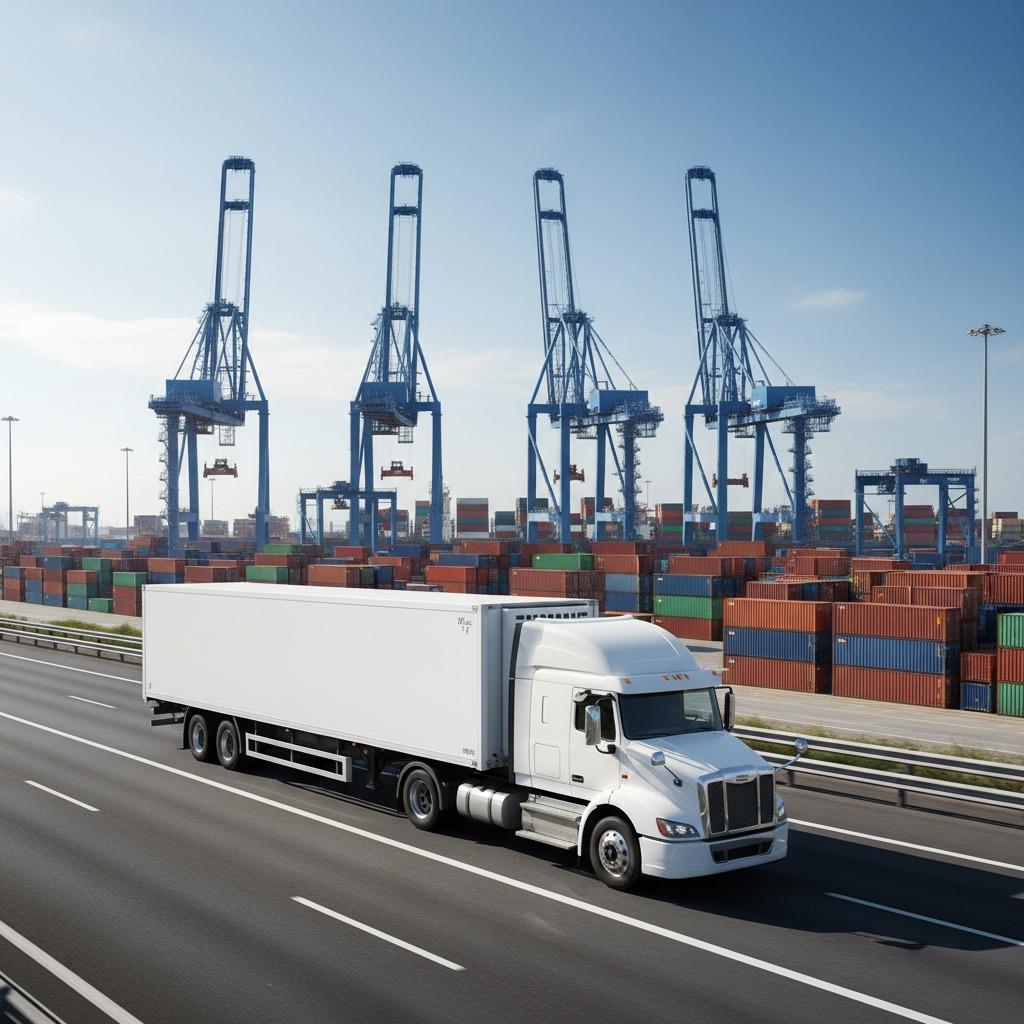
Logistics forms the backbone of efficient supply chain management, ensuring that goods move seamlessly from production to consumers. In today's fast-paced economy, effective logistics can make or break a company's success, optimizing costs and delivery times. This critical function encompasses planning, implementing, and controlling the flow of goods, information, and resources. Businesses rely on logistics to streamline operations, reduce waste, and enhance customer satisfaction. By integrating technology and strategic planning, companies can transform potential bottlenecks into competitive advantages.
Key Components Driving Effective Logistics Strategies
At its core, logistics involves several interconnected elements, including transportation, warehousing, and inventory management. Transportation logistics coordinates the movement of goods via trucks, ships, or air freight, balancing speed and cost. Warehousing logistics focuses on storage solutions that maximize space and accessibility, often employing automated systems for efficiency. Inventory management within logistics ensures optimal stock levels, preventing overstocking or shortages that could disrupt operations. Statistics show that companies investing in advanced logistics software can reduce transportation costs by up to 15%, according to industry reports from the Council of Supply Chain Management Professionals.
The Role of Innovation in Enhancing Logistics Performance
Innovation is revolutionizing logistics, with tools like the ProShift Pallet Jack exemplifying streamlined material handling in warehouses. This equipment's ergonomic design and durable construction allow for agile maneuverability, reducing operator fatigue and boosting productivity. Similarly, the Advanced Freightliner XR truck introduces cutting-edge features such as aerodynamic design and advanced safety systems, optimizing fuel efficiency and cargo security for long-haul transport. These advancements enable businesses to handle diverse loads, from electronics to industrial equipment, with precision. In distribution centers, such innovations ensure swift loading and unloading, minimizing downtime and enhancing overall workflow.
Challenges and Solutions in Contemporary Logistics
Despite its importance, logistics faces challenges like supply chain disruptions and rising fuel costs. Global events, such as pandemics or trade tensions, can halt shipments, leading to delays. To counter this, companies adopt resilient strategies, including diversified supplier networks and real-time tracking technologies. For instance, GPS-enabled systems provide visibility into shipment statuses, allowing proactive adjustments. Data from McKinsey indicates that firms using AI in logistics can improve forecasting accuracy by 50%, leading to better resource allocation. Embracing sustainable practices, like electric vehicles in logistics fleets, also addresses environmental concerns while cutting long-term expenses.
Future Trends Shaping the Logistics Landscape
Looking ahead, logistics is poised for transformation through automation and digital integration. Drones and autonomous vehicles promise faster last-mile delivery, while blockchain technology enhances transparency in global trade. The integration of IoT devices allows for predictive maintenance on equipment like pallet jacks and trucks, preventing breakdowns. As e-commerce surges, logistics must adapt to handle increased parcel volumes efficiently. Projections from Deloitte suggest that by 2025, AI-driven logistics could add $1.3 trillion to global GDP. Businesses that prioritize agile, tech-forward logistics will thrive, turning complex supply chains into sources of innovation and growth.
Optimizing Logistics for Competitive Edge
To leverage logistics effectively, organizations should focus on end-to-end visibility and collaboration. Partnering with reliable providers ensures seamless integration across the supply chain. Training staff on modern tools, such as hydraulic lift systems in pallet jacks, enhances operational safety and efficiency. Ultimately, robust logistics not only cuts costs but also builds customer loyalty through timely deliveries. By continually refining processes, companies can navigate the evolving demands of the market, positioning themselves as leaders in their industries.





