
Frequently Asked Questions about Logistics
Logistics is the backbone of modern supply chains, ensuring goods move efficiently from origin to destination. Whether you're a business owner or a curious individual, understanding logistics can help optimize operations and reduce costs. In this FAQ-style guide, we'll address common questions about logistics, international logistics, and logistics services, drawing on proven strategies for seamless transportation.
What is Logistics and Why Does It Matter?
Logistics refers to the detailed coordination of complex operations involved in moving products or services from suppliers to customers. It encompasses planning, implementing, and controlling the efficient flow of goods, services, and information. Effective logistics ensures timely delivery, minimizes waste, and enhances customer satisfaction. For businesses dealing with perishable goods or time-sensitive shipments, robust logistics can mean the difference between profit and loss. In today's global economy, logistics integrates technology like tracking systems and automation to streamline processes, making it indispensable for e-commerce giants and small enterprises alike.
How Does International Logistics Differ from Domestic Logistics?
International logistics involves managing shipments across borders, which adds layers of complexity compared to domestic operations. Key differences include navigating customs regulations, varying tariffs, and international shipping laws. For instance, international logistics requires compliance with documentation like bills of lading, certificates of origin, and import/export licenses. Delays can arise from geopolitical issues or differing infrastructure standards abroad. To mitigate risks, companies often partner with experts in international logistics who handle multimodal transport—combining sea, air, and rail routes. This approach not only speeds up delivery but also reduces carbon footprints by optimizing routes, making international logistics a vital tool for global trade expansion.
What Should I Look for in a Reliable Logistics Service?
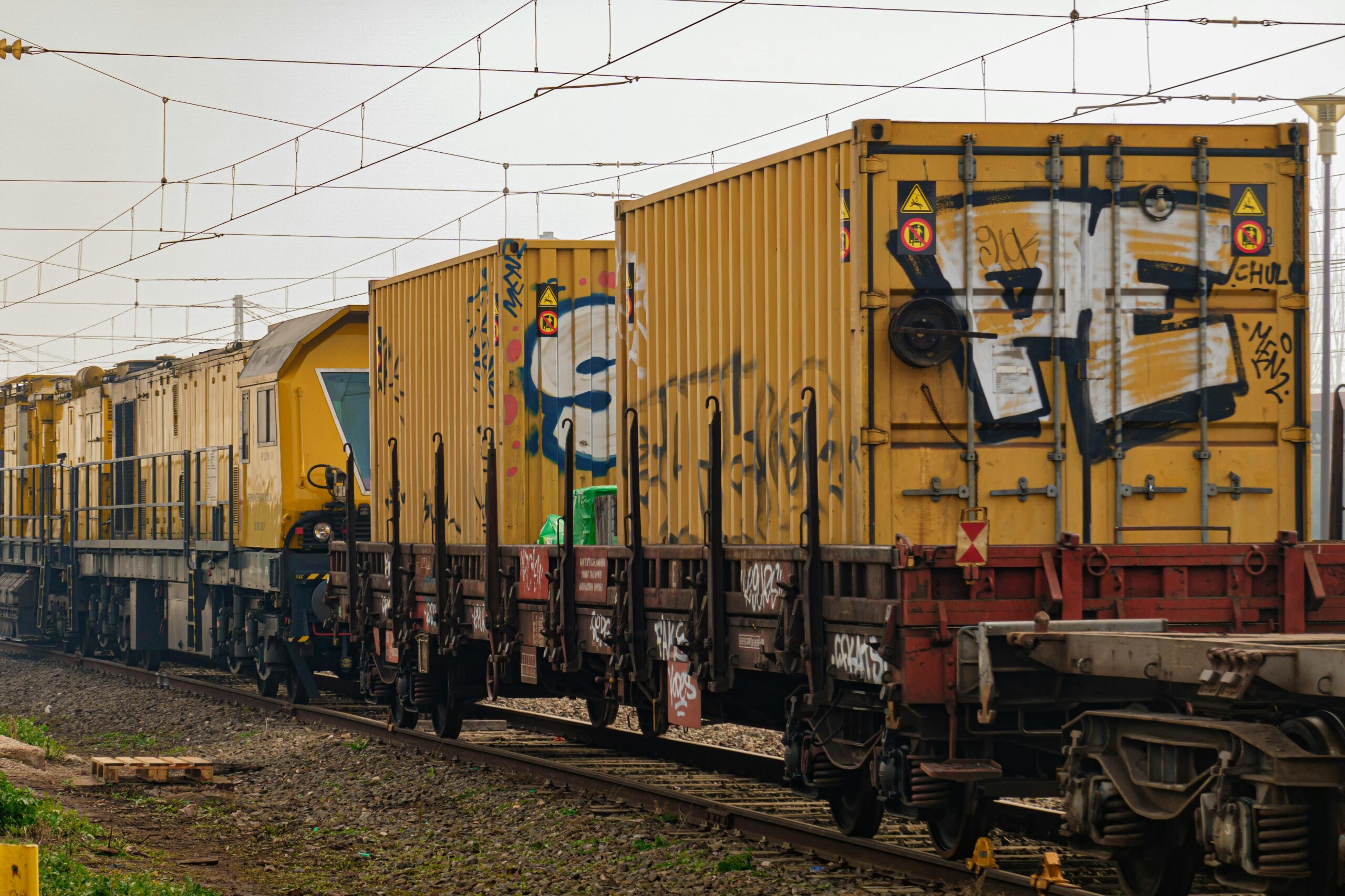
When selecting a logistics service, prioritize providers with a proven track record in reliability and innovation. A top-tier logistics service should offer end-to-end solutions, including warehousing, inventory management, and real-time tracking. Look for those specializing in intermodal transport, such as rail freight systems that use sturdy containers on flatcars for secure, efficient movement across modes. These services often incorporate safety features like reinforced structures and compliance labels to ensure cargo integrity during transit. Additionally, eco-friendly options in logistics services appeal to sustainability-focused businesses, cutting emissions while handling heavy loads like machinery or consumer goods. Evaluate customer reviews, response times, and integration capabilities to find a logistics service that aligns with your needs.
How Can Rail Freight Enhance Logistics Efficiency?
Rail freight is a cornerstone of efficient logistics, particularly for bulk and long-haul shipments. It provides cost-effective transport for large volumes, with containers designed for seamless transitions between rail, road, and sea. These systems feature durable flatcars that maintain stability at high speeds, ideal for industrial materials or consumer products. In logistics, rail options reduce road congestion and fuel consumption, supporting environmentally sustainable practices. Many logistics services integrate rail to offer flexible, scalable solutions that adapt to fluctuating demands. By leveraging rail freight, businesses achieve faster turnaround times and lower operational costs, making it a smart choice for comprehensive logistics planning.
What Are Common Challenges in Logistics and How to Overcome Them?
Logistics faces hurdles like supply chain disruptions, rising fuel costs, and regulatory changes. International logistics amplifies these with currency fluctuations and cultural barriers. To overcome them, adopt digital tools for predictive analytics and automate inventory to prevent stockouts. Partnering with a specialized logistics service can provide expertise in risk management and contingency planning. For example, using versatile containers in rail systems ensures adaptability to unexpected delays. Regular audits and staff training further bolster resilience, ensuring smooth operations in even the most challenging scenarios.
Future Trends in Logistics Services
Looking ahead, logistics is evolving with AI-driven optimization, drone deliveries, and blockchain for transparency. International logistics will benefit from smarter customs tech, reducing paperwork and wait times. Sustainable logistics services, emphasizing electric rail and low-emission routes, will dominate as regulations tighten. Businesses investing in these trends gain a competitive edge, ensuring their logistics strategies remain agile and forward-thinking.





