
Understanding Logistics: The Backbone of Global Trade
In the fast-paced world of international commerce, logistics stands as the essential framework that ensures goods move seamlessly from producers to consumers. At its core, logistics involves the planning, implementation, and control of the efficient flow and storage of goods, services, and related information across the supply chain. This critical discipline not only optimizes transportation but also minimizes costs and enhances customer satisfaction. For businesses relying on timely deliveries, effective logistics is indispensable, particularly in industries like manufacturing, retail, and e-commerce.
The Role of Logistics Services in Modern Supply Chains
Logistics services encompass a broad spectrum of activities, from warehousing and inventory management to order fulfillment and reverse logistics. These services are tailored to meet the unique needs of businesses, providing end-to-end solutions that streamline operations. For instance, a well-structured logistics service can integrate technology such as GPS tracking and automated inventory systems to offer real-time visibility into shipments. Statistics from the Council of Supply Chain Management Professionals indicate that companies investing in advanced logistics services see up to 15% improvement in delivery times and a 20% reduction in operational costs. This efficiency is vital in today's global market, where delays can lead to significant financial losses. By partnering with reliable providers, businesses can focus on their core competencies while entrusting the complexities of distribution to experts.
Exploring Transportation Logistics: Key Strategies and Innovations
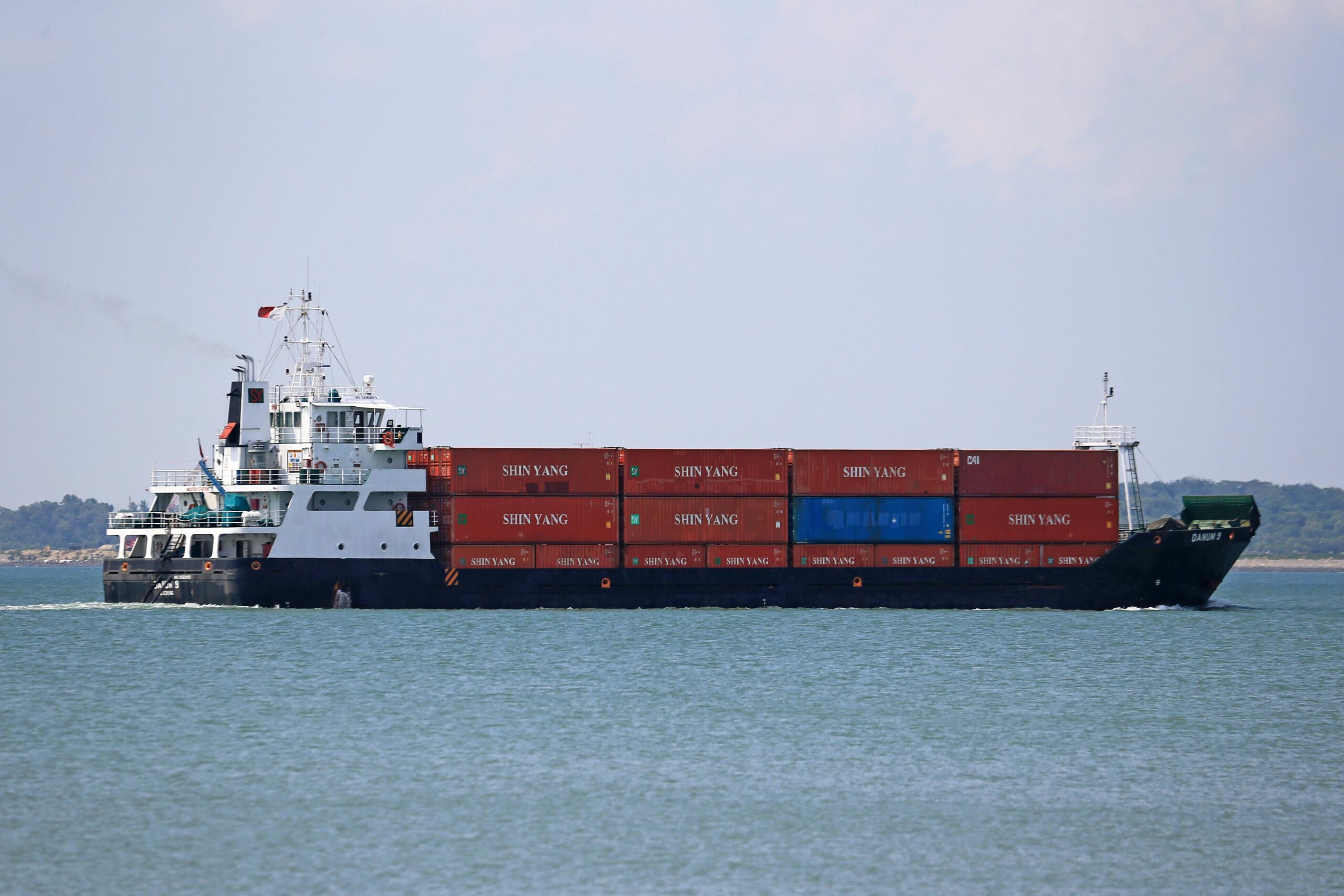
Transportation logistics forms the physical artery of the supply chain, dealing with the movement of goods via various modes including road, rail, air, and sea. Effective transportation logistics requires careful route optimization, mode selection, and carrier management to balance speed, cost, and reliability. In recent years, innovations like intermodal transportation—combining multiple modes for a single journey—have revolutionized the field. For example, the introduction of modern vessels like the Shin Yang Container Ship exemplifies how maritime transportation logistics can handle massive volumes with precision. This vessel, designed for efficient containerized freight, features high-capacity storage and advanced navigation systems, ensuring safe passage across oceans. According to the International Maritime Organization, such advancements in transportation logistics have reduced global shipping emissions by 10% over the past decade, promoting sustainability without compromising efficiency. Businesses leveraging these strategies can achieve faster turnaround times and expanded market reach.
Challenges and Future Trends in Logistics
Despite its advancements, logistics faces ongoing challenges such as geopolitical disruptions, fluctuating fuel prices, and the need for greater sustainability. The COVID-19 pandemic highlighted vulnerabilities in global supply chains, prompting a shift toward resilient logistics models with diversified routes and localized warehousing. Looking ahead, trends like artificial intelligence-driven predictive analytics and blockchain for transparent tracking are set to transform the industry. The Shin Yang Container Ship's environmentally-conscious operations, with fuel-efficient engines and low-emission systems, align with these trends, supporting flexible freight solutions for diverse industries. Experts predict that by 2025, logistics services incorporating AI could cut planning times by 50%, according to a McKinsey report. As transportation logistics evolves, companies that adapt will not only mitigate risks but also gain a competitive edge in an interconnected world.
Why Efficient Logistics Matters for Your Business
Ultimately, robust logistics ensures that businesses remain agile and responsive in a dynamic economy. Whether through comprehensive logistics services or specialized transportation logistics, the goal is to create seamless connections that drive growth. The Shin Yang Container Ship serves as a prime example of how innovative maritime solutions can underpin reliable global trade, accommodating everything from perishables to electronics with unmatched durability and safety features. By prioritizing logistics, companies can enhance their supply chain resilience, reduce environmental impact, and deliver exceptional value to customers. In an era of rapid globalization, mastering logistics is not just an option—it's a necessity for long-term success.





