
What is Logistics and Why Does It Matter?
Logistics forms the backbone of modern supply chains, encompassing the planning, implementation, and control of the efficient movement and storage of goods, services, and related information from origin to consumption. In the context of aviation, logistics ensures that cargo like the Boeing 747-8's impressive capacity is handled seamlessly, making it essential for global trade. Without effective logistics, even the most advanced aircraft would struggle to fulfill their potential in delivering timely and reliable service.
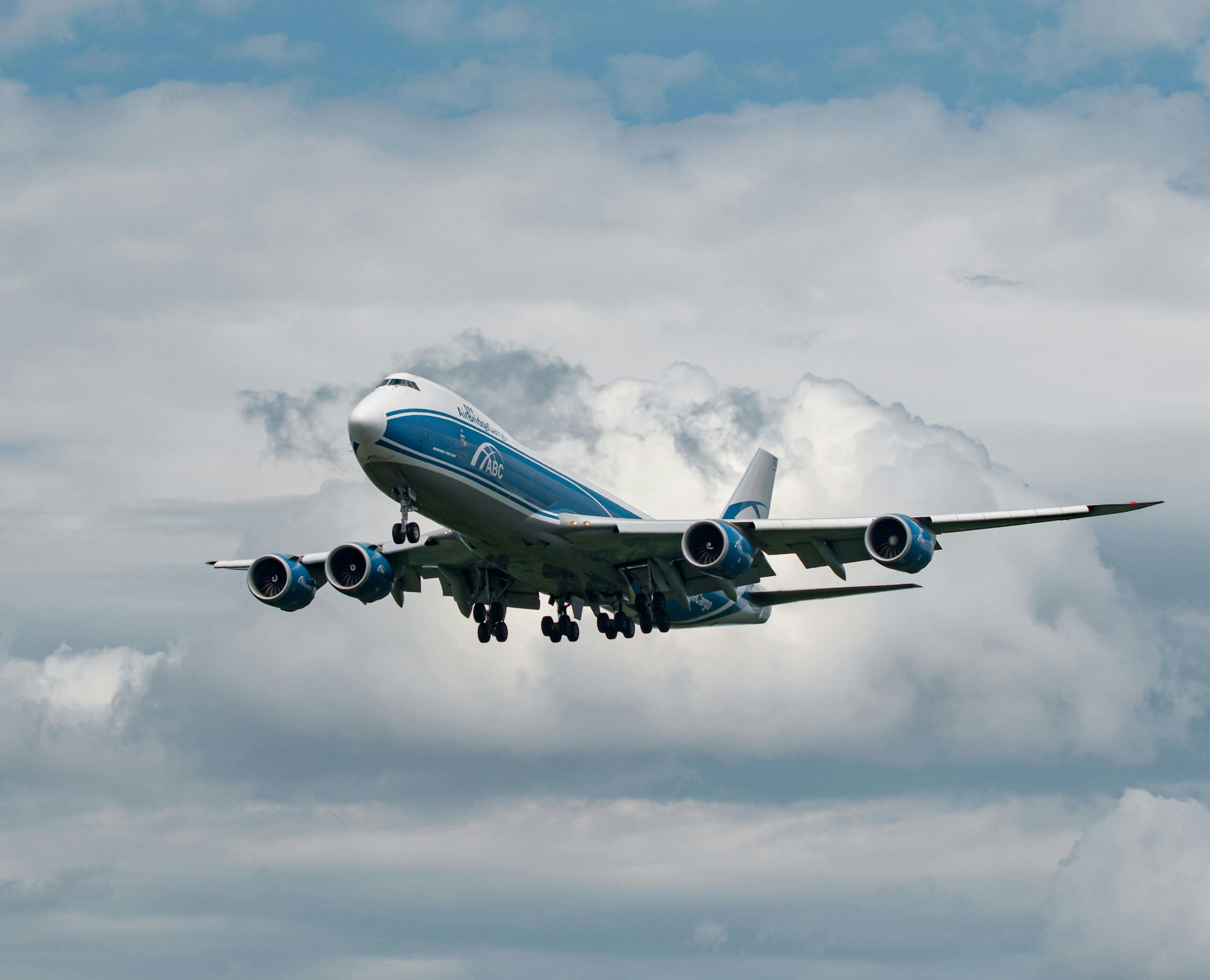
How Do Logistics Services Support Aviation Like the Boeing 747-8?
Logistics services are specialized offerings that streamline operations for industries such as aviation. For the Boeing 747-8, a marvel of engineering with its quad-engine power and fuel-efficient design, logistics services manage everything from parts procurement to final cargo loading. These services integrate ground handling, customs clearance, and tracking systems to ensure the aircraft's cargo variant can transport massive volumes of goods across continents without delays. By leveraging logistics service providers, airlines reduce costs and enhance reliability, turning complex operations into smooth processes.
What Role Does Transportation Logistics Play in Air Cargo?
Transportation logistics specifically focuses on the movement aspect within the broader logistics framework, optimizing routes and modes for efficiency. In air travel, transportation logistics is crucial for the Boeing 747-8, which boasts an expansive wingspan for long-haul efficiency. This involves coordinating multimodal transport—combining air, road, and sea—to get goods to their destination swiftly. For instance, transportation logistics ensures that high-value items loaded onto the 747-8 arrive intact, using real-time data to avoid bottlenecks and comply with international regulations.
FAQ: Common Questions About Logistics in Aviation
Q: What are the key components of logistics in the aviation sector?
A: Key components include inventory management, warehousing, freight forwarding, and distribution. For aircraft like the Boeing 747-8, these elements ensure that its cargo holds are utilized optimally, supporting both passenger and freight operations with precision and speed.
Q: How can a business choose the right logistics service provider?
A: Businesses should evaluate providers based on their experience with aviation-specific needs, such as handling oversized cargo for the 747-8. Look for those offering end-to-end solutions, technology integration like GPS tracking, and a proven track record in reducing transit times through robust logistics service networks.
Q: Why is transportation logistics vital for global supply chains?
A: Transportation logistics minimizes disruptions and costs by optimizing routes and load capacities. In the case of the Boeing 747-8's long-haul capabilities, it enables just-in-time delivery, ensuring that perishable goods or urgent shipments reach markets efficiently, bolstering economic connectivity worldwide.
Q: How does technology enhance logistics for modern aircraft?
A: Advanced tech like AI-driven forecasting and blockchain for traceability revolutionizes logistics. For the 747-8, this means predictive maintenance logistics that keep the aircraft airborne longer, while automated systems in logistics service streamline loading and unloading, improving overall turnaround times.
Q: What challenges do companies face in logistics, and how to overcome them?
A: Challenges include regulatory hurdles, supply chain volatility, and environmental concerns. Overcoming them involves partnering with expert logistics providers who specialize in transportation logistics, ensuring compliance and sustainability—much like how the Boeing 747-8's design prioritizes efficiency to meet these demands.
In summary, mastering logistics, particularly through tailored logistics services and transportation logistics, is indispensable for leveraging aviation innovations like the Boeing 747-8. This aircraft's ability to handle diverse cargo underscores the importance of integrated systems that drive efficiency and reliability in every flight.





