
Frequently Asked Questions About Logistics and Air Freight Services
In the fast-paced world of global trade, logistics plays a crucial role in ensuring goods move efficiently from one point to another. Whether you're a business owner shipping products overseas or an individual sending valuables abroad, understanding the basics of logistics can make all the difference. This FAQ guide addresses common questions about logistics, with a focus on air freight logistics and reliable logistics services, helping you navigate this essential industry with confidence.
What Exactly Is Logistics and Why Does It Matter?
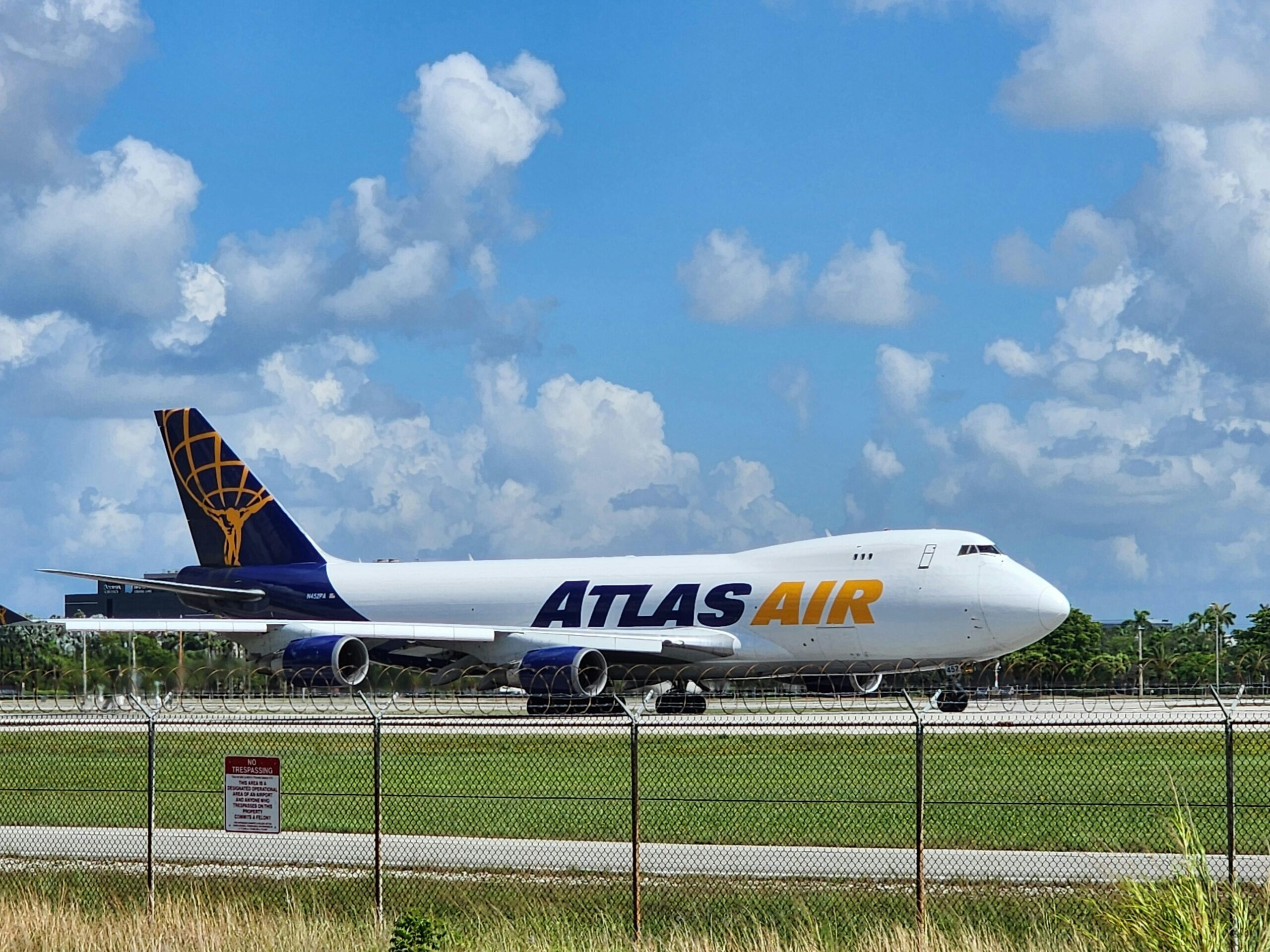
Logistics refers to the detailed coordination and management of the flow of goods, services, and information from origin to consumption. It encompasses planning, implementing, and controlling procedures to meet customer requirements efficiently. In today's interconnected economy, effective logistics ensures timely delivery, cost savings, and customer satisfaction. For businesses, poor logistics can lead to delays, increased expenses, and lost opportunities, while strong logistics strategies enhance competitiveness. Air freight logistics, a specialized subset, leverages aircraft like the Atlas Air Boeing 747 for rapid transport across continents, ideal for time-sensitive shipments such as electronics, pharmaceuticals, or perishables. At its core, logistics service providers handle everything from warehousing and inventory management to transportation and customs clearance, streamlining operations for seamless global supply chains.
How Does Air Freight Logistics Work, and What Are Its Benefits?
Air freight logistics involves using cargo aircraft to transport goods by air, offering speed and reliability for international shipments. The process starts with preparing cargo for loading, ensuring it complies with aviation regulations, followed by swift loading onto planes equipped for heavy-duty transport. The Atlas Air Boeing 747 exemplifies this, with its massive cargo capacity—up to 140 tons—and four powerful engines that provide efficient fuel economy for long-haul flights. This aircraft's spacious hold accommodates oversized freight, hazardous materials, or items needing temperature control, connecting major hubs worldwide with precision. Benefits include faster delivery times compared to sea or ground options, reducing inventory holding costs and enabling just-in-time manufacturing. For logistics services, air freight minimizes risks like theft or damage through secure handling and tracking technologies. However, it's typically more expensive, making it best for high-value or urgent goods. Providers like those operating the Atlas Air 747 ensure 24/7 monitoring, real-time updates, and expert customs brokerage to avoid delays.
What Should You Look for in a Logistics Service Provider?
Choosing the right logistics service is key to successful operations. Look for providers with a proven track record in air freight logistics, robust networks covering key global routes, and advanced technology for tracking and analytics. Reliability is paramount—opt for companies with modern fleets, like the Atlas Air Boeing 747, known for its iconic design and dependable performance in supporting international commerce. Evaluate their handling of special requirements, such as refrigerated cargo or oversized items, and check for certifications in safety and sustainability. Customer service matters too; top logistics services offer personalized consultations, transparent pricing, and flexible solutions tailored to your needs. Inquire about their experience with volatile markets or disruptions, ensuring contingency plans are in place. Finally, consider cost-effectiveness—while air freight logistics commands a premium, efficient providers like those utilizing high-capacity aircraft deliver value through speed and reduced overall supply chain costs.
How Has Technology Transformed Logistics?
Technology has revolutionized logistics, making it more efficient and data-driven. GPS tracking, AI-powered route optimization, and blockchain for secure documentation are now standard in air freight logistics. These tools allow real-time visibility, predictive analytics for demand forecasting, and automated customs processing, cutting down on errors and delays. For instance, the Atlas Air Boeing 747 integrates with digital platforms for seamless cargo management, from booking to delivery. Logistics services increasingly use IoT sensors to monitor shipment conditions en route, ensuring perishables arrive intact. Automation in warehouses, powered by robotics, speeds up sorting and packing, while big data helps in sustainable practices like fuel-efficient routing. As e-commerce booms, these advancements enable logistics providers to handle surging volumes without compromising quality, ultimately benefiting businesses with faster, greener, and more cost-effective solutions.
Common Challenges in Logistics and How to Overcome Them
Logistics faces challenges like supply chain disruptions, regulatory hurdles, and fluctuating fuel prices, particularly in air freight logistics. Geopolitical issues or weather can delay flights, while complex international regulations require expert navigation. To overcome these, partner with experienced logistics service providers who offer diversified routes and risk management strategies. Investing in insurance and contingency planning protects against unforeseen events. Sustainability is another growing concern—air freight's carbon footprint prompts shifts toward eco-friendly fuels and optimized loads, as seen in efficient aircraft like the Atlas Air Boeing 747. By staying informed and leveraging technology, businesses can mitigate risks, ensuring resilient logistics operations that support global growth.





