
Understanding the Fundamentals of Logistics
Logistics forms the backbone of modern commerce, ensuring that goods move efficiently from origin to destination. In today's global economy, effective logistics is crucial for businesses aiming to thrive amid complex supply chains. This article explores the intricacies of logistics, highlighting its role in transportation and beyond. By examining key aspects like logistics service and transportation logistics, we can appreciate how these elements drive economic growth and operational success.
At its core, logistics encompasses the planning, implementation, and control of the flow of goods, services, and information. It involves coordination across multiple stages, from procurement to delivery. For instance, a well-structured logistics service can reduce costs by optimizing routes and minimizing delays. Companies relying on robust transportation logistics often see improved customer satisfaction due to timely deliveries. Statistics from the Council of Supply Chain Management Professionals indicate that efficient logistics can cut operational expenses by up to 15%, underscoring its financial impact.
The Evolution of Transportation Logistics
Transportation logistics has evolved significantly with technological advancements, transforming how freight is managed across vast distances. Historically, logistics relied on manual processes, but now it integrates digital tools like GPS tracking and AI-driven forecasting. This shift has made transportation logistics more reliable, especially in handling diverse cargo types such as perishables and heavy machinery. In the context of rail-based systems, transportation logistics exemplifies efficiency, with rail networks moving over 40% of U.S. freight tonnage annually, according to the Association of American Railroads.
One standout innovation in transportation logistics is the integration of multi-modal shipping solutions. These systems allow seamless transitions between rail, road, and sea transport, enhancing overall logistics service quality. For businesses, this means reduced handling risks and faster turnaround times. Moreover, sustainable practices in transportation logistics, such as electric rail systems, help lower carbon emissions, aligning with global environmental goals. The demand for such eco-friendly logistics services is projected to grow by 7% yearly through 2030, per industry reports from McKinsey & Company.
Enhancing Logistics Service Through Innovative Solutions
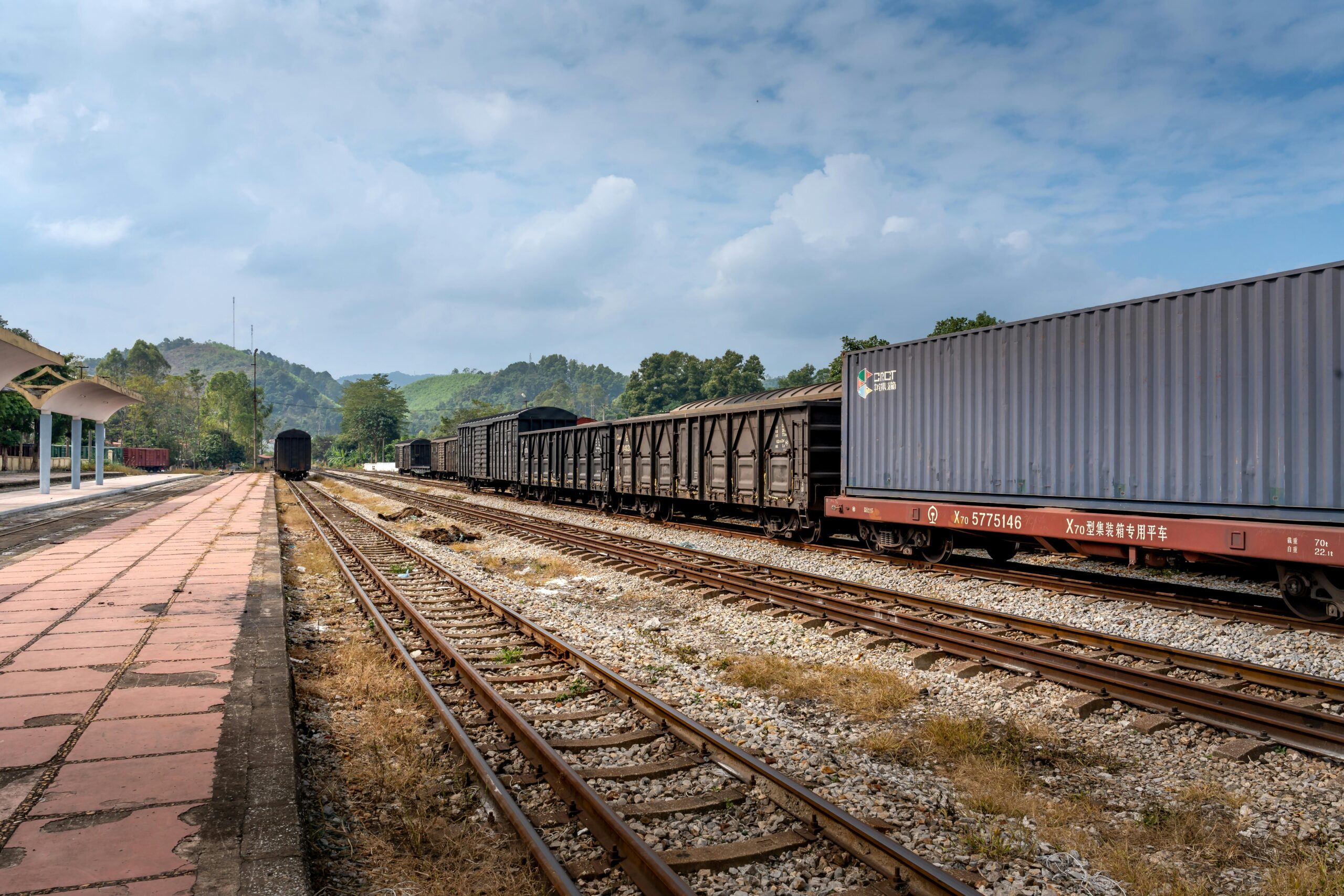
To stay competitive, organizations must prioritize advanced logistics service providers that offer tailored solutions. Introducing a state-of-the-art freight train system optimized for high-capacity cargo transport represents a pinnacle in this domain. This versatile and robust infrastructure supports multi-modal shipping, integrating containerized and bulk freight seamlessly. The sleek railcars feature durable designs, capable of transporting a wide range of goods—from heavy payloads like industrial materials to sensitive shipments requiring enclosed protection.
The premium-grade containers in this system ensure secure storage with standardized dimensions suitable for international trade compliance, reducing handling time and maximizing efficiency. Fitted on well-maintained multi-track systems, it streamlines logistics on railways, minimizing environmental impact while serving as the backbone of supply-chain networks in expanding industries. Designed to operate across diverse terrains with precision, this freight system connects urban hubs with remote destinations, making it an asset for businesses with global aspirations.
Stylish yet practical, it combines strength, sustainability, and scalability. Businesses adopting such logistics service enhancements report up to 20% improvements in delivery speed, based on case studies from logistics consultants like Deloitte. As supply chains become more intricate, investing in cutting-edge transportation logistics like this rail system is not just beneficial—it's essential for long-term viability.
Future Trends in Logistics and Their Implications
Looking ahead, logistics is poised for further disruption through automation and data analytics. Predictive analytics in transportation logistics can forecast disruptions, allowing proactive adjustments that save time and resources. Similarly, enhanced logistics service platforms enable real-time visibility, empowering companies to make informed decisions. With the rise of e-commerce, the need for agile logistics has never been greater, driving innovations that promise even greater efficiency.
In summary, mastering logistics, particularly through superior logistics service and transportation logistics, is key to navigating the complexities of global trade. By leveraging advanced systems like the described freight train infrastructure, businesses can achieve operational excellence and sustainability. As the field continues to innovate, those who adapt will lead in an increasingly interconnected world.





