
Mastering Global Logistics: A Step-by-Step Guide to Integrated Freight Solutions
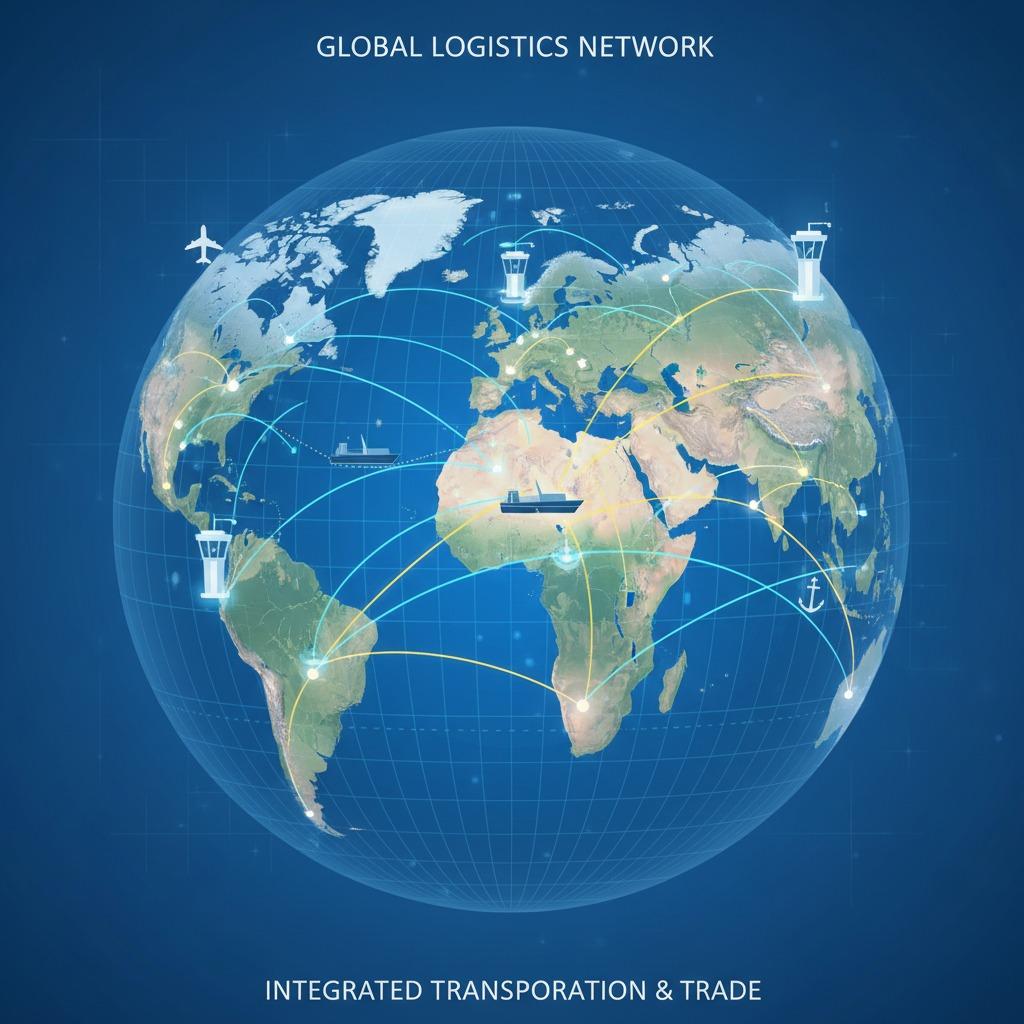
In the fast-paced world of international trade, logistics stands as the backbone of efficient supply chains. Whether you're a global enterprise managing vast shipments or a growing business expanding overseas, understanding logistics is crucial for success. This guide provides a comprehensive how-to approach, drawing from innovative solutions that combine maritime, aerial, and land-based transport to streamline your operations.
Understanding the Fundamentals of Logistics
To begin mastering logistics, start by assessing your business needs. Logistics encompasses the planning, execution, and control of the movement and storage of goods. Begin with a thorough audit of your current supply chain: identify bottlenecks in transportation, inventory management, and delivery timelines. For instance, if your operations involve heavy international freight, consider integrated systems that unite sea and air transport. This step ensures you select solutions tailored to your scale, whether handling bulk cargo via ships or urgent parcels through airplanes. Next, map out your global routes, factoring in ports, airports, and road networks to optimize efficiency. By laying this foundation, you'll reduce costs and enhance reliability from the outset.
Step 1: Integrating Maritime and Aerial Freight for Seamless Coverage
Once your needs are clear, integrate maritime and aerial freight as the core of your logistics strategy. Start by selecting a vessel like a specialized cargo ship equipped with dual cranes for efficient loading of containers and bulk goods. These ships, with their eco-conscious designs, handle massive loads across oceans, symbolizing sustainable marine shipping. Pair this with air freight options, where airplanes ensure rapid delivery for time-sensitive items. The process involves coordinating schedules: book sea routes for cost-effective bulk transport and reserve air slots for high-priority shipments. Customize packages to fit your demands—opt for intermodal containers compatible with global standards from companies like Maersk. This dual-mode approach guarantees worldwide accessibility, minimizing delays and adapting to varying cargo sizes. Monitor real-time tracking to adjust as needed, ensuring your logistics network operates like a well-oiled machine.
Step 2: Incorporating Land Transport with Heavy-Duty Vehicles
No logistics plan is complete without robust land transport. Introduce heavy-duty container trucks to bridge sea, air, and final delivery points. Choose vehicles with aerodynamic frames and high-capacity trailers for fuel efficiency and safety on long hauls. Begin by upgrading your fleet: select trucks that support intermodal containers, allowing seamless transitions from ship to road. Load them strategically—place heavier items at the base for stability—and route them through efficient highways, avoiding congested areas. For scalability, integrate GPS systems for route optimization and compliance with international regulations. This step enhances the versatility of your logistics, supporting everything from retail merchandise to industrial equipment. Regular maintenance schedules will keep your operations durable and environmentally sustainable, reducing emissions while connecting global trade hubs effortlessly.
Step 3: Optimizing Operations for Efficiency and Sustainability
With your transport modes in place, focus on optimization to elevate your logistics game. Implement software for integrated supply chain management, tracking shipments from origin to destination. Analyze data to refine routes: for example, combine ship capacities with truck adaptability to cut delivery times. Emphasize eco-conscious practices—use vessels and aircraft designed for lower fuel consumption and pair them with electric or hybrid trucks. Train your team on best practices, from cargo handling to customs clearance, to prevent errors. Finally, scale up by testing pilot programs for new markets, ensuring your logistics solution grows with your business. This holistic approach not only boosts performance but also positions your enterprise as a leader in reliable, green global transport.
By following these steps, you'll transform logistics from a challenge into a competitive advantage, empowering your business with unparalleled efficiency and reach.





