
Mastering Logistics: A Step-by-Step Guide to Efficient Transportation and Shipping
In today's global economy, logistics plays a pivotal role in ensuring seamless movement of goods from origin to destination. Whether you're a small business owner or managing large-scale operations, understanding how to optimize logistics can significantly reduce costs and improve delivery times. This guide will walk you through practical steps to streamline your processes, focusing on key elements like logistics service providers and transportation logistics strategies. By following these instructions, you can enhance your supply chain efficiency and stay competitive in a fast-paced market.
Assessing Your Logistics Needs
The first step in effective logistics is to thoroughly assess your current needs and challenges. Begin by mapping out your supply chain: identify the types of goods you handle, their volumes, and the destinations involved. For instance, if you're dealing with international shipments, consider factors like customs regulations and transit times. Evaluate your existing logistics service setup—do you rely on multiple carriers or a single provider? Tools like inventory management software can help analyze data on past shipments to pinpoint bottlenecks, such as delays in transportation logistics. Once you've gathered this information, set clear goals, such as reducing delivery times by 20% or cutting fuel costs. This foundational assessment ensures that every subsequent decision aligns with your business objectives, preventing costly oversights down the line.
Selecting the Right Logistics Service Provider
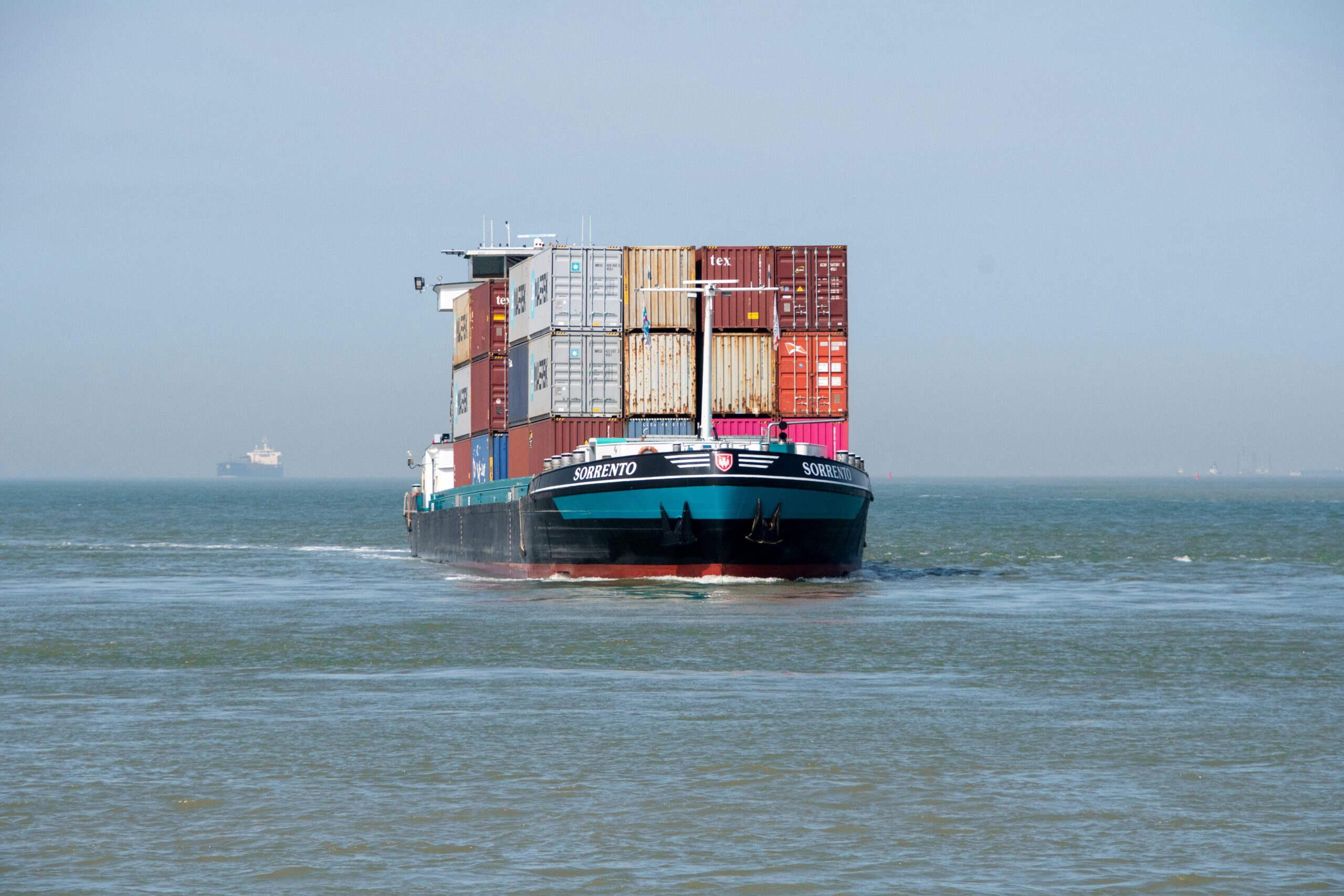
With your needs defined, the next phase is choosing a reliable logistics service partner. Research providers that specialize in your industry, looking for those with proven track records in handling diverse cargo types. Prioritize companies offering comprehensive solutions, including warehousing, freight forwarding, and real-time tracking. For example, evaluate their fleet capabilities—vessels like the Sorrento Container Ship exemplify modern efficiency in maritime transport, with modular designs for various container sizes and advanced navigation systems for safe voyages. Request quotes and compare services based on cost, reliability, and sustainability features, such as fuel-efficient hulls that minimize environmental impact. Negotiate contracts that include flexible terms for scalability, and always check references or case studies from similar clients. This step is crucial for building a robust logistics service network that supports your growth without interruptions.
Implementing Optimized Transportation Logistics Strategies
Now that you have a provider, focus on implementing strategies to optimize transportation logistics. Start by integrating technology: adopt GPS-enabled systems for route optimization, which can reduce mileage and emissions. Develop a multimodal approach—combine sea, air, and road transport where it makes sense; for ocean freight, leverage ships designed for high-volume, eco-friendly operations to handle global trade efficiently. Train your team on best practices, such as proper cargo loading to maximize space and stability, ensuring containers are stacked securely for long-haul journeys. Monitor performance with key metrics like on-time delivery rates and cost per shipment, adjusting routes seasonally to account for weather or demand fluctuations. Additionally, incorporate sustainability by choosing providers with green initiatives, aligning your transportation logistics with broader environmental goals. Regular audits will help refine these strategies, fostering continuous improvement.
Monitoring and Refining Your Logistics Operations
The final step involves ongoing monitoring and refinement to keep your logistics running smoothly. Establish a dashboard for real-time visibility into shipments, using alerts for potential issues like delays in logistics service execution. Conduct quarterly reviews to analyze data from transportation logistics activities, identifying trends such as peak season surges. Gather feedback from stakeholders—suppliers, customers, and carriers—to uncover improvement areas. If using maritime options, ensure compliance with international standards for safety and efficiency, drawing inspiration from vessels that symbolize reliable global connectivity. Scale your operations as needed, perhaps by expanding partnerships for specialized logistics service. By treating logistics as a dynamic process, you'll adapt to market changes, minimize risks, and drive long-term success in your business endeavors.
In summary, mastering logistics requires a systematic approach from assessment to refinement. By focusing on robust logistics service selection and smart transportation logistics, businesses can achieve unparalleled efficiency and reliability in their supply chains.





