
Mastering Global Logistics: A Step-by-Step Guide to Efficient Freight Management
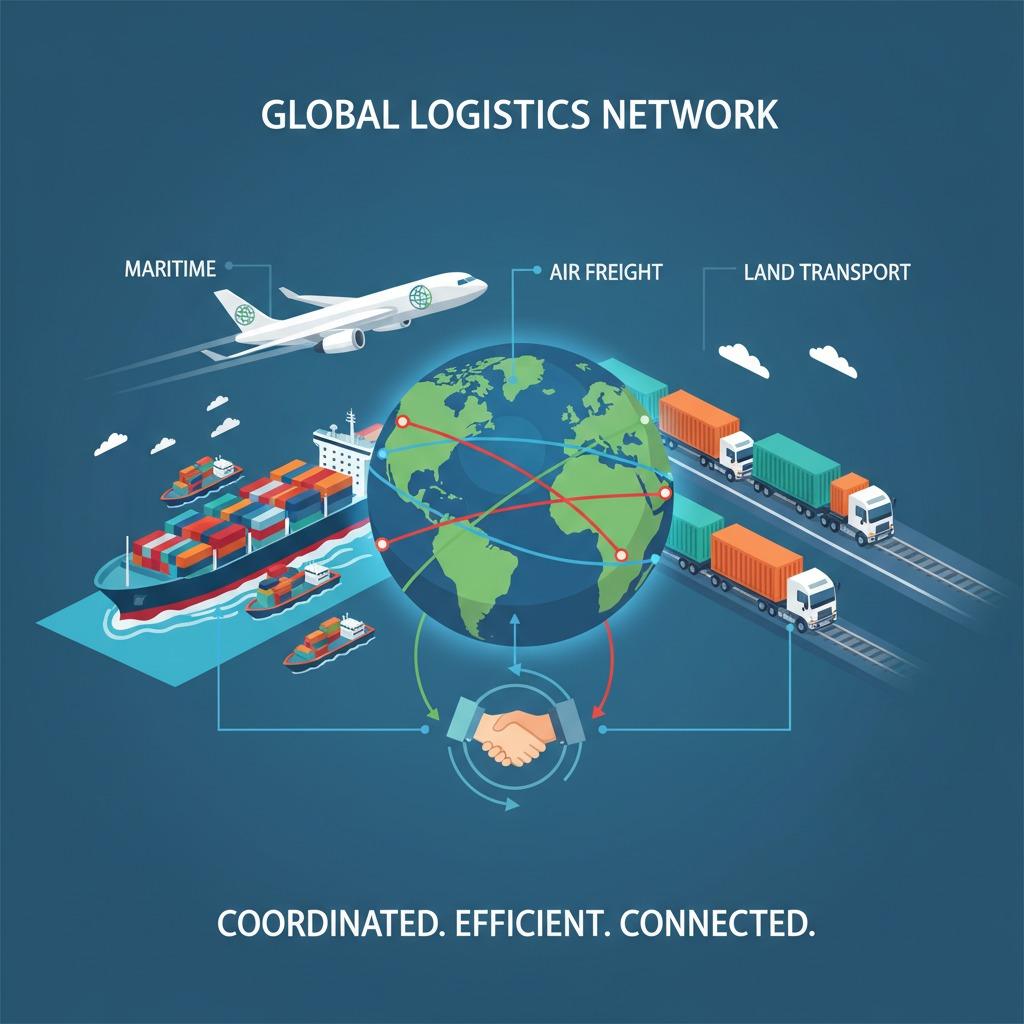
In today's interconnected world, logistics stands as the backbone of global trade, ensuring goods move seamlessly from origin to destination. Whether you're a business owner optimizing supply chains or a logistics enthusiast exploring efficient transport methods, understanding logistics is essential for success. This guide provides step-by-step instructions on integrating maritime, air, and land transportation to create a robust logistics strategy. By following these steps, you can leverage innovative solutions like container ships, cargo aircraft, and heavy-duty trucks to meet diverse shipping needs.
Step 1: Assess Your Logistics Needs and Choose the Right Transportation Modes
Begin by evaluating the type of cargo, volume, urgency, and destination to determine the best logistics approach. For bulk shipments that prioritize cost-efficiency over speed, maritime transport via container ships is ideal. These vessels, with their immense carrying capacity, can handle thousands of standardized containers across intercontinental routes. Their sturdy build and advanced navigation ensure reliability even in rough seas.
For time-sensitive goods, incorporate air freight using high-performance cargo aircraft. These planes bridge continents quickly, delivering urgent materials from ports with unmatched speed and fuel-efficient engines for sustainability. Complement this with land transport, such as heavy-duty cargo trucks paired with large shipping containers. These trucks offer flexibility for last-mile delivery, handling bulky goods with durability and ease in organized shipping yards.
To integrate these modes effectively, map out your supply chain: start with sea freight for long-haul bulk movement, transition to air for rapid final legs, and use trucks for ground distribution. This multimodal logistics setup minimizes delays and optimizes costs.
Step 2: Select Equipment and Technology for Seamless Logistics Operations
Once needs are assessed, focus on equipment that enhances logistics efficiency. Opt for commercial cargo vessels equipped with advanced systems like yellow hydraulic cranes for self-loading and unloading. These cranes provide flexibility at ports lacking infrastructure, making the vessel suitable for heavy goods, machinery, and containers. The deep blue hull and expansive deck ensure stability during transoceanic journeys, integrating modern navigation for safe operations.
Pair this with eco-conscious air components and robust trucks to form an interconnected network. Invest in tracking software to monitor shipments in real-time across sea, air, and land. For instance, label containers with branding from reliable logistics partners to streamline global reach. This step ensures your logistics system is adaptable for short-haul or long-haul needs, reducing bottlenecks and improving overall reliability.
Step 3: Implement and Optimize Your Logistics Strategy
With modes and equipment in place, roll out your logistics plan by coordinating schedules and partners. Start with loading cargo onto container ships or trucks, using cranes for efficiency. As goods arrive at ports, swiftly transfer to aircraft for urgent segments, then deploy trucks for local delivery. Monitor environmental factors, like weather for maritime routes, to maintain timelines.
Optimization comes through regular audits: analyze delivery times, costs, and sustainability metrics. Adjust by scaling up air use for perishables or sea for non-urgents. Train your team on handling diverse cargo, from raw materials to time-critical items, to foster a professional edge. This iterative process builds a resilient logistics framework, meeting the demands of a global marketplace.
Step 4: Scale and Innovate for Future-Proof Logistics
Finally, scale your operations by expanding networks and adopting innovations. Integrate dual freight systems combining sea and air for unparalleled efficiency. For growing businesses, add more vessels with versatile designs or fleets of branded trucks. Emphasize sustainability with fuel-efficient tech to appeal to eco-aware clients.
Stay ahead by reviewing industry trends, such as automated cranes or AI-driven routing, to refine your logistics. This guide equips you to transform challenges into opportunities, ensuring reliable, efficient global delivery. By mastering these steps, your logistics operations will thrive in an ever-evolving trade landscape.





