
Mastering Global Logistics: A Step-by-Step Guide to Efficient Supply Chain Management
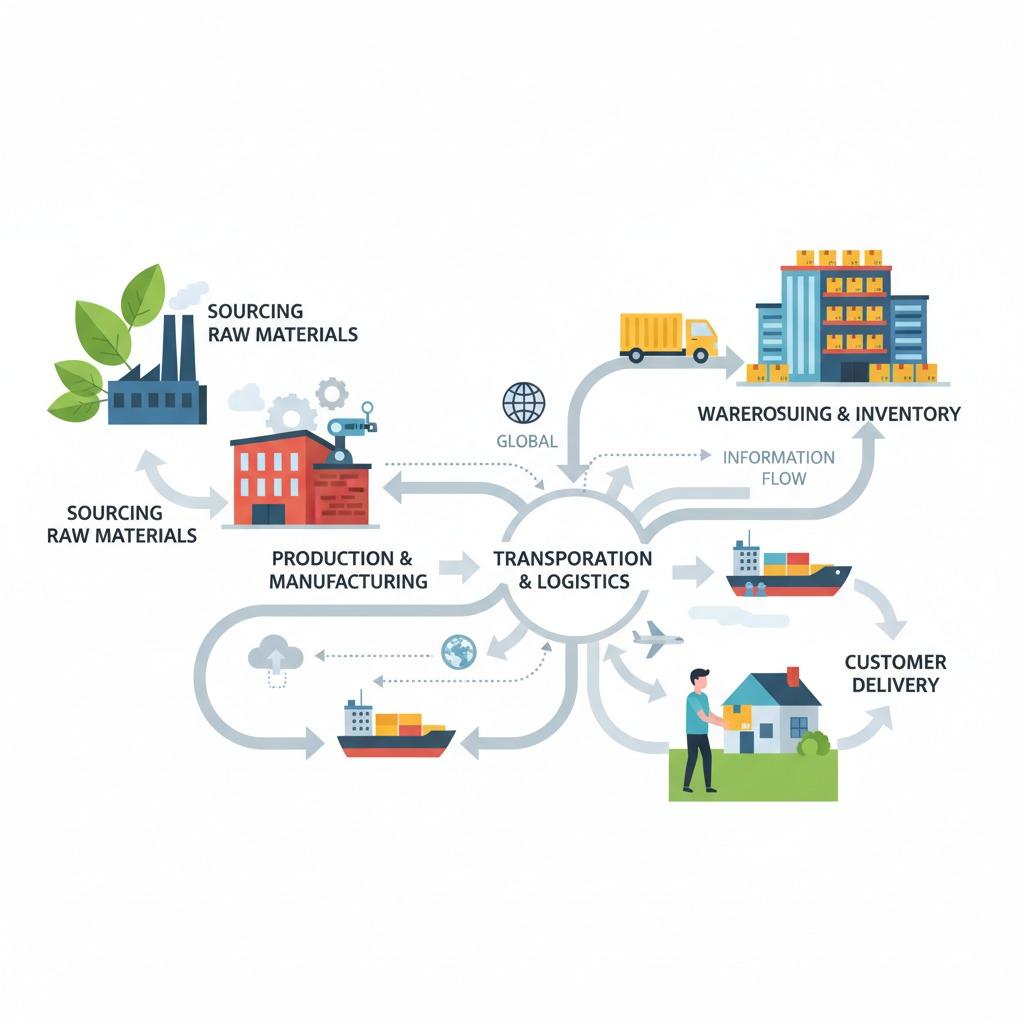
In today's fast-paced world of international trade, mastering logistics is essential for businesses aiming to streamline operations and reduce costs. Logistics encompasses the planning, execution, and control of the movement and storage of goods, services, and information from origin to consumption. Whether you're a small enterprise or a large corporation, understanding how to optimize your logistics processes can make all the difference in achieving reliability and efficiency. This guide will walk you through practical steps to enhance your logistics strategy, drawing on state-of-the-art solutions that integrate maritime, air, and land transportation.
Assess Your Current Logistics Needs
The first step in improving your logistics is to thoroughly assess your current setup. Begin by mapping out your supply chain: identify key points from sourcing raw materials to final delivery. Ask critical questions like, what types of goods are you handling—perishable items, heavy machinery, or high-value electronics? Evaluate your existing infrastructure, such as warehouses, transportation modes, and software systems. For instance, if you're dealing with bulk shipments, consider the durability of containers against environmental factors like moisture and temperature changes, as seen in advanced maritime freight solutions. Tools like supply chain audits or software analytics can reveal bottlenecks, such as delays in customs clearance or inefficient routing. Once assessed, prioritize areas needing improvement, such as speed for time-sensitive goods or cost reduction for long-haul routes. This foundational step ensures your logistics plan is tailored to your business's unique demands, setting the stage for scalable growth.
Integrate Multimodal Transportation Solutions
Next, integrate multimodal transportation to create a seamless logistics network. Start by selecting complementary modes: maritime freight for high-volume, cost-effective shipping; air cargo for urgent deliveries; and heavy-duty trucks for last-mile efficiency. Begin with maritime options, like equipping your operations with vessels featuring dual high-performance cranes for swift loading and unloading. These ships, with streamlined hulls for fuel efficiency, are ideal for transcontinental trade, protecting goods from saltwater and weather extremes. For air services, opt for aircraft designed for precision routes, perfect for high-value items reaching remote locations quickly. On land, incorporate robust commercial trucks pulling secure container trailers, ensuring durability in urban and long-haul scenarios. To implement this, partner with reliable providers who offer hybrid solutions—combining sea, air, and road for uninterrupted flow. Use tracking software to monitor shipments in real-time, minimizing delays and enhancing visibility. This integration not only balances speed and volume but also promotes sustainability through eco-friendly designs that reduce fuel consumption.
Leverage Technology and Automation for Optimization
Technology is the backbone of modern logistics, so the third step is to leverage automation and digital tools. Implement fully automated navigation systems in your fleet for safer, more efficient voyages, especially on multifunctional cargo vessels with versatile holds for diverse cargo types. For depots, adopt smart container handling tech to organize stacks of branded units from partners like Maersk, streamlining inventory management. Start by investing in IoT-enabled sensors for real-time monitoring of cargo conditions, preventing spoilage or damage. Then, integrate AI-driven route optimization software to predict and avoid disruptions, such as weather delays or port congestions. Train your team on these systems to ensure smooth adoption—perhaps through workshops on using elevated bridge command centers for panoramic oversight. Additionally, explore blockchain for secure documentation, reducing paperwork and speeding up customs. By automating routine tasks, you'll cut operational costs by up to 30% while boosting accuracy. Remember, scalability is key; choose solutions that grow with your business, like expandable air fleets for global point-to-point delivery.
Monitor, Measure, and Continuously Improve
Finally, establish a framework for ongoing monitoring and improvement in your logistics operations. Set key performance indicators (KPIs) such as on-time delivery rates, cost per shipment, and carbon footprint. Use dashboards to track these metrics post-implementation, reviewing data monthly to identify trends. For example, if maritime routes show higher efficiency, allocate more resources there while fine-tuning air services for peak seasons. Conduct regular audits and gather feedback from stakeholders—suppliers, carriers, and customers—to refine processes. Sustainability should remain a focus; opt for vessels and trucks adhering to eco-standards to meet regulatory demands and appeal to environmentally conscious clients. As your logistics evolves, consider expanding collaborations with global leaders for innovative features like advanced storage in containers. This iterative approach ensures your supply chain remains resilient against challenges like market fluctuations or geopolitical shifts, ultimately maximizing customer satisfaction and profitability.
By following these steps, businesses can transform their logistics into a competitive advantage, ensuring reliable, efficient, and scalable transportation that drives success in global trade.





